Reports of Pride Flag Removal at Stonewall National Monument Spark National Debate
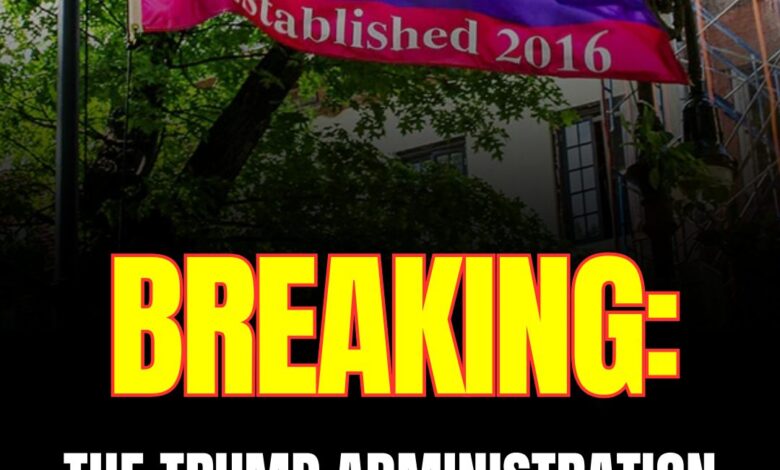
Reports began circulating this week claiming that a rainbow Pride flag had been removed from Stonewall National Monument in New York City. The claims quickly spread across social media, with some posts alleging that the removal was directed by officials connected to the Trump administration.
As of now, federal authorities have not publicly confirmed the exact circumstances surrounding the flag’s removal. However, the incident has reignited broader discussions about LGBTQ+ representation at federally managed historic sites.
Stonewall National Monument, designated in 2016, commemorates the 1969 Stonewall Uprising, a pivotal moment in LGBTQ+ civil rights history. The site is managed by the National Park Service (NPS) and is considered a landmark of equality and activism in the United States.
The Pride flag has become a widely recognized symbol associated with the monument. While it is not permanently required by federal statute to fly year-round, it has often been displayed during Pride Month and at other significant moments.
Supporters of the monument argue that the Pride flag represents the core historical meaning of Stonewall and serves as a powerful reminder of the struggle for LGBTQ+ rights. For many advocates, its presence is seen as symbolic recognition of a historic movement.
Critics, however, argue that federal sites must follow uniform flag policies. Some point to regulations governing which flags may be flown at national monuments, stating that only official flags are authorized unless exceptions are granted.
The National Park Service has historically maintained guidelines regarding the display of non-governmental flags on federal property. In some cases, flags such as the Pride flag have been flown as part of commemorative events or approved programming.
Public reaction to the reported removal has been swift and divided. Advocacy groups have called for clarification from federal officials, while others are urging adherence to established federal property guidelines.
Political leaders have also weighed in, with some defending the enforcement of flag policies and others arguing that removing the Pride flag sends an unnecessary and symbolic message.
The broader issue touches on how national monuments represent American history. Stonewall’s designation as a national monument was widely seen as a historic step toward recognizing LGBTQ+ contributions and struggles.
Legal experts note that decisions regarding flag displays at federal sites often depend on internal administrative policies rather than direct presidential orders. Without formal statements, speculation remains just that — speculation.
Local officials in New York have also expressed interest in understanding what prompted the change, if indeed a policy shift occurred.
For visitors to Stonewall, the site remains open and continues to function as a historic landmark dedicated to civil rights education.
Whether the reported removal was temporary, procedural, or policy-driven remains unclear pending official clarification.
The conversation surrounding the issue reflects a broader national dialogue about symbolism, federal authority, and representation in public spaces.
As more information becomes available, observers say transparency will be key in addressing public concern and separating fact from online assumption.
For now, Stonewall National Monument continues to stand as a significant chapter in American civil rights history, regardless of flag display decisions.
The situation underscores how even symbolic actions at historic sites can carry strong emotional and political meaning.