The Terrifying Moment You Hear a Slithering Sound in the Dark: What to Do When a Snake Invades Your Home
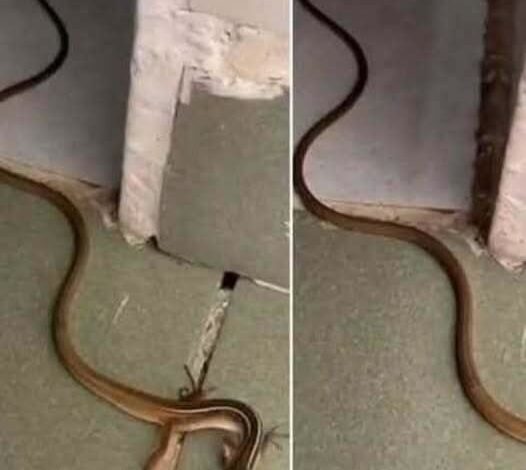
Your heart skips a beat. A sharp, unmistakable hiss slices through the silence, and suddenly you realize every homeowner’s nightmare has become reality—a snake is somewhere inside your house. Instantly, fear takes over as your mind races with terrifying questions. Is it venomous? Where is it hiding? Could it be only a few feet away? Many people panic in this exact moment, making sudden movements, grabbing the nearest object, or trying to chase the snake away. Unfortunately, those impulsive reactions are often the biggest mistakes someone can make. Before you take a single step, knowing what to do can make all the difference.
Discovering a snake indoors can feel like something out of a suspense film, but remaining calm is your greatest advantage. If it is safe to do so, observe the snake from a distance instead of approaching it. Notice its color and markings, whether the body is solid-colored, striped, blotched, or patterned with diamond shapes. Pay attention to its approximate length and thickness, and if possible, observe the shape of its head. While some venomous snakes have broader, triangular-shaped heads and many non-venomous snakes have narrower, rounded heads, this is not a foolproof way to identify them. These details may later help wildlife professionals determine what type of snake has entered your home.
The reality is that accurately identifying snakes is difficult, especially during a stressful situation. Even experienced outdoorsmen can make mistakes. If you cannot confidently identify the species, always assume it could be venomous and treat the situation with caution. Never move closer simply to get a better look. Avoid trying to touch it, catch it, or test its behavior by poking it with a broom, stick, or other household object. Every unnecessary interaction increases the chance of a dangerous bite.
During the first minute after spotting the snake, your priority should be protecting yourself, your family, and your pets. If possible, carefully isolate the snake by closing the door to the room where it was seen. Placing a towel or blanket along the bottom of the door can help reduce the chance of it slipping into another part of the house. Calmly guide everyone, including pets, away from the area without shouting or running. Snakes are extremely sensitive to vibrations, and sudden movements or loud noises can make them feel threatened, increasing the likelihood that they will defend themselves. If you can safely observe the snake from a distance, keep track of where it moves so you can provide accurate information to professionals when they arrive.
Equally important is understanding what not to do. Never attempt to kill the snake. An injured or cornered snake is often far more dangerous than one left undisturbed. Avoid trying to catch it yourself, even if you believe it is harmless. Non-venomous snakes can still bite, and their mouths naturally contain bacteria that may cause serious infections. Likewise, never trap the snake in a corner or block every possible escape route. When a snake feels it has no way out, it is much more likely to become defensive.
If you cannot safely manage the situation, contact the appropriate professionals. Animal control is generally the best option when a snake is inside a living area such as a kitchen, bedroom, bathroom, or living room. These professionals are trained to safely remove and relocate wildlife. If the snake appears unusually large, is believed to be venomous, or has disappeared inside a wall, crawl space, or beneath heavy appliances, a licensed wildlife removal service may be the better choice. Emergency services such as 911 should only be contacted if someone has been bitten or is experiencing a medical emergency. When calling for assistance, be prepared to describe the snake’s location, approximate size, color, markings, and whether anyone has been injured.
If you believe the snake may be venomous—such as a rattlesnake, copperhead, cottonmouth, or coral snake—extra caution is essential. Never attempt to capture or kill it under any circumstances. Studies show that many venomous snakebites occur when people try to handle or kill the animal themselves. Instead, leave the room immediately, close the door if possible, block the gap underneath, and keep children and pets well away from the area. Avoid spraying the snake with water or trying to scare it out with loud noises. Despite their frightening reputation, most venomous snakes prefer to avoid people and will usually bite only if they feel threatened, trapped, or accidentally stepped on.
Once the snake has been safely removed, the next step is preventing another unwanted visitor. Snakes can enter through surprisingly small openings, so carefully inspect your home’s foundation, utility pipe openings, vents, door thresholds, and crawl spaces for cracks or gaps. Seal any potential entry points to make access much more difficult. It is equally important to eliminate food sources by controlling rodents and large insects around your property, since these animals often attract snakes. Keeping grass trimmed, removing piles of firewood, rocks, and yard debris, and cutting back dense shrubs from exterior walls will also reduce attractive hiding places.
Garages deserve special attention because they frequently provide ideal shelter for snakes. They are often dark, quiet, cluttered, and contain gaps beneath garage doors that allow easy entry. Installing a durable rubber door sweep, sealing side openings, organizing stored items, and replacing cardboard boxes with sealed plastic containers can significantly reduce the chances of attracting both rodents and the snakes that hunt them.
Many homeowners worry that once a snake has entered, it will eventually come back. In most cases, snakes return only if the conditions remain favorable. If your property continues to provide shelter, food, and easy access, another snake may eventually find its way inside. However, by sealing entry points, maintaining your yard, and reducing rodent activity, you can greatly decrease the likelihood of future encounters and make your home far less attractive to unwanted reptile visitors.