The Horrifying Truth About Australian Snakebites: One Mistake Will Cost You Your Life!
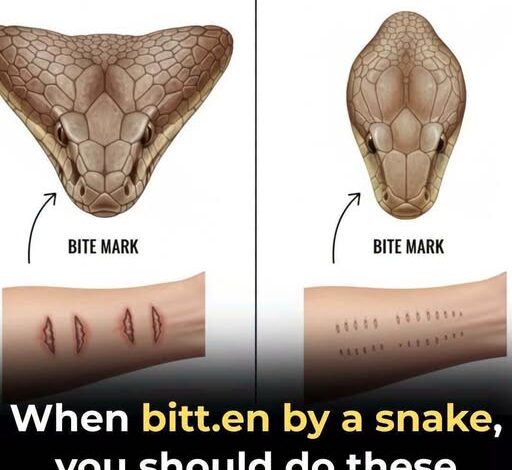
Pure panic surged through his body the instant something struck his leg. There was no dramatic hiss, no warning rattle, and almost no pain—just a fleeting sensation in the warm grass before the snake disappeared into the shadows. On farms and rural properties, danger often appears without warning, and a single encounter with one of Australia’s highly venomous snakes can turn an ordinary afternoon into a desperate race against time. Many people still rely on outdated first-aid advice passed down through generations, believing myths that can actually make a bite far more dangerous. Knowing what to do—and just as importantly, what not to do—can make a critical difference while waiting for emergency medical care.
### The Hidden Danger Around Homes and Farms
When most people imagine a snake bite, they picture someone hiking through dense bushland or exploring remote wilderness. In reality, many bites occur much closer to home. Data collected by Australia’s Royal Flying Doctor Service (RFDS) has shown that a large proportion of snake bites happen around residential properties, farms, sheds, and backyards rather than deep in the bush. Many incidents occur during ordinary activities such as walking across a yard, mowing grass, gardening, collecting firewood, or working around outbuildings.
Snakes are often attracted to areas where food, shelter, and water are readily available. Rodents living around sheds or feed storage can attract snakes searching for prey, while piles of timber, long grass, and cluttered gardens provide ideal hiding places. Maintaining a tidy property by controlling rodents, trimming vegetation, removing debris, and limiting standing water can reduce the likelihood of snakes settling nearby.
Simple protective clothing also plays an important role. Since most snake bites occur on the hands, feet, lower legs, and arms, wearing sturdy boots, long pants, thick gloves, and long sleeves while working outdoors provides an extra layer of protection against accidental strikes.
### Australia’s Most Common Venomous Snakes
Australia is home to some of the world’s most venomous snakes, yet serious bites remain relatively uncommon compared with the number of human-snake encounters each year. Thousands of snake bites are reported annually across the country, with several hundred people requiring hospital treatment. The eastern brown snake is responsible for many medically significant bites, followed by species such as tiger snakes and red-bellied black snakes.
Interestingly, many victims are experienced rural workers, farmers, or people who spend significant time outdoors. Familiarity with the environment can sometimes lead to overconfidence, causing individuals to underestimate the risks posed by snakes hiding in ordinary places.
### Dry Bites and Venomous Bites
Not every snake bite injects venom.
Some snakes deliver what is known as a dry bite, where little or no venom enters the body. These bites may produce minor pain, slight swelling, or small puncture marks but do not cause venom poisoning. However, immediately after a bite, there is no reliable way for a victim to know whether venom has been injected.
For that reason, every suspected snake bite should be treated as a medical emergency.
Venomous bites may initially appear surprisingly mild. Some victims report almost no pain at all. Others notice only tiny puncture marks, faint scratches, or slight bleeding. Despite the subtle appearance, venom may already be spreading through the lymphatic system.
As symptoms develop, a person may experience nausea, vomiting, abdominal pain, dizziness, blurred vision, drooping eyelids, difficulty speaking, muscle weakness, breathing problems, or collapse. Severe envenomation can affect blood clotting, damage organs, and interfere with normal nerve and muscle function.
### Why Staying Calm Matters
One of the most important first-aid principles after a snake bite is minimizing movement.
Unlike many people assume, snake venom usually travels primarily through the lymphatic system rather than directly through the bloodstream. Muscle movement significantly increases lymph flow, allowing venom to spread more rapidly throughout the body.
Remaining as still as possible helps slow this process until trained medical professionals can provide treatment.
Although staying calm is understandably difficult, reducing unnecessary movement can improve the effectiveness of first aid while emergency services are on their way.
### Six Essential Snake Bite First-Aid Steps
Medical experts recommend following several key actions whenever a venomous snake bite is suspected.
**1. Call emergency medical services immediately.**
Never wait to see whether symptoms become worse. Even if the bite appears minor, immediate medical assessment is essential because serious effects may develop over time.
**2. Keep the person as still as possible.**
Avoid walking if it can be safely avoided. If help is available, have others bring assistance to the victim rather than allowing the injured person to travel on foot. Immobilizing the affected limb with a splint, when appropriate, can further reduce movement.
**3. Apply a pressure-immobilization bandage if trained to do so.**
For most venomous snake bites in Australia, first-aid guidance recommends firmly bandaging the entire affected limb, starting at the bite site and extending over the limb while maintaining circulation, then immobilizing it with a splint. The goal is to slow lymphatic movement—not to completely stop blood flow.
**4. Leave the bandage in place until medical professionals advise otherwise.**
Removing the bandage prematurely may allow venom that has been slowed within the tissues to circulate more rapidly. Healthcare providers will determine the safest time to remove it.
**5. Do not wash, cut, or suck the wound.**
Cleaning the bite may remove tiny traces of venom that can assist hospitals in identifying the appropriate treatment. Cutting the wound or attempting to suck out venom is ineffective and may cause additional injury or infection.
**6. Never attempt to catch or kill the snake.**
Trying to identify or capture the snake places both the victim and others at unnecessary risk of additional bites. Modern medical treatment does not require risking another encounter simply to identify the animal.
### Common Snake Bite Myths
Several outdated first-aid methods continue circulating despite being proven ineffective or dangerous.
Applying a tourniquet tight enough to completely stop blood flow can seriously damage tissue and increase complications. Drinking alcohol does not neutralize venom. Applying ice, electric shocks, herbal remedies, or attempting to remove venom by mouth has no proven benefit and may delay proper medical care.
Equally dangerous is assuming that the absence of pain means the bite is harmless. Some of Australia’s most serious snake bites begin with very little discomfort before symptoms gradually appear.
### Preventing Snake Encounters
Prevention remains the best protection.
Keep grass short around homes, remove piles of rubbish or timber that provide shelter, store animal feed securely to discourage rodents, and inspect areas carefully before reaching into wood piles, garden beds, or storage sheds. When walking through long grass or bushland, wear sturdy footwear and remain alert, especially during warmer months when snakes are more active.
If a snake is seen around a home or workplace, give it plenty of space and contact trained wildlife handlers if removal becomes necessary. Most snakes prefer to avoid people and will move away if left undisturbed.
### Preparation Can Save Lives
Emergencies happen quickly, often without warning. Having basic first-aid knowledge, knowing how to contact emergency services, and keeping appropriate first-aid supplies readily available can make an enormous difference during those critical first moments after a snake bite.
Whether you live on a remote farm, work outdoors every day, or simply enjoy spending time in your backyard, understanding evidence-based snake bite first aid is one of the most valuable safety skills you can learn. The right response won’t eliminate the danger, but it can dramatically improve the chances of a successful recovery while professional medical care is on the way.
Sometimes survival doesn’t depend on extraordinary strength or bravery.
It depends on replacing dangerous myths with the right knowledge before an emergency ever happens.