Sarah Palin, Photos!
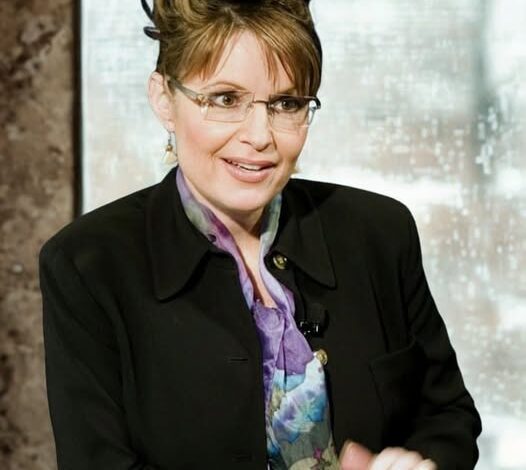
In the fast-changing world of American media in 2026, few public figures have maintained a presence as lasting—or as debated—as Sarah Palin. The former Governor of Alaska and 2008 vice-presidential nominee has built a career that stretches from local politics in Wasilla to the center of national conversation. Her path has become a model for the modern political celebrity, combining populist messaging, media instinct, and a distinctive personal style that set her apart from traditional Washington norms.
The Alaskan Roots of a National Figure
Palin’s arrival on the national stage in 2008 marked a turning point for many within the American political establishment. Coming from Alaska’s independent political culture, she brought a direct and energetic tone to the campaign trail that energized supporters and unsettled critics. Her image—carefully shaped to reflect both frontier resilience and contemporary appeal—offered a new direction for a Republican Party searching for a stronger public voice.
Her public identity has long centered on advocacy for working-class Americans and small-town communities. Whether addressing grassroots audiences or appearing in high-profile media settings, Palin developed a recognizable communication style. She became known for delivering concise, memorable statements that kept her visible in an increasingly fast-paced news environment.
Style and Public Image
One of the most discussed elements of Palin’s public career has been her approach to fashion and presentation. At a time when many politicians favored understated, conventional attire, she embraced a more individualized look. Her rimless glasses and preference for bold jackets became part of her recognizable image, contributing to broader conversations about how women in leadership roles are viewed and judged.
Supporters saw her style as confident and authentic, while critics sometimes argued it distracted from policy discussions. Regardless of perspective, Palin treated public appearances as opportunities to reinforce her personal brand. Her attention to image reflected a broader understanding of how visual identity plays a role in modern political life.
From Politics to Entertainment
After stepping down as governor, Palin expanded her public profile into entertainment. Projects such as Sarah Palin’s Alaska and her appearance on The Masked Singer introduced her to audiences beyond traditional political circles. This shift allowed her to remain culturally relevant even after leaving elected office.
Through these ventures, she demonstrated adaptability in navigating different platforms—from policy debates to reality television. For supporters, this versatility reflected resilience; for critics, it blurred the line between politics and entertainment. Either way, it reinforced her ongoing visibility in public discourse.
Lasting Influence
Looking back from 2026, Palin’s impact on conservative politics remains significant. Many observers view her as an early figure in the rise of populist energy within the Republican Party. Her communication style, emphasis on outsider identity, and media strategy anticipated shifts that would later reshape the American Right.
Palin has consistently positioned herself as an independent voice, unwilling to conform fully to conventional political expectations. Whether commenting on cultural trends or engaging audiences through social media, she has maintained a distinctive role in public life.
An Ongoing Story
Sarah Palin’s career reflects the evolution of American political culture over the past two decades. From Alaska’s political landscape to national campaigns and television screens, she has remained a figure who sparks discussion and strong reactions.
Her legacy is defined not only by the offices she held, but by her ability to stay visible and relevant in a rapidly shifting media environment. As of 2026, her story continues—shaped by resilience, adaptability, and a firm commitment to defining her public identity on her own terms.