Dolly Parton Never Had Children of Her Own—But the Way She Loved Miley Cyrus and Millions of Kids Told a Different Story
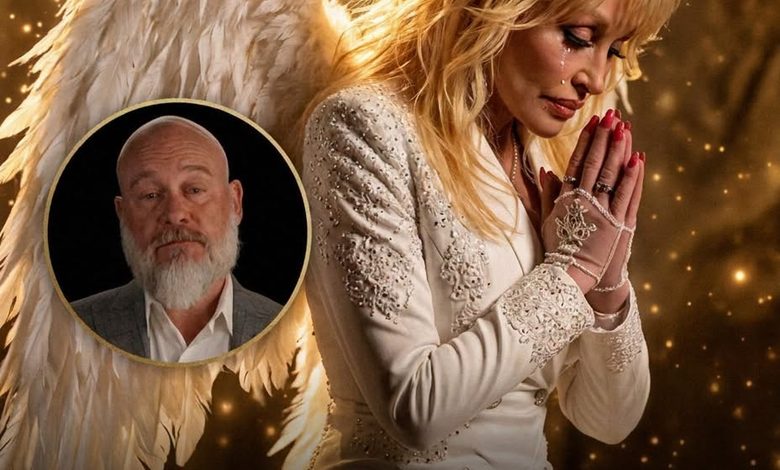
Dolly Parton once imagined what motherhood might have looked like for her. She and her husband, Carl Dean, even talked about names, wondering whether a daughter might be tall like him or petite like her, and Dolly remembered that they would have called a girl Carla. Life went another way. After nearly 59 years of marriage, the couple never had children, and Parton eventually spoke about that absence not only as a loss she had endured, but as something she came to believe gave her life a different purpose. That is why the speculative AI images imagining what her grandchildren might have looked like feel less important than the family she actually created around her. She may never have become a biological mother or grandmother, but she spent decades behaving like someone with an enormous amount of maternal love to give.
Parton’s marriage to Carl was famously private. They wed on May 30, 1966, and remained together until his death in March 2025, with Dean largely avoiding the spotlight while Dolly became one of the most recognizable entertainers in the world. Earlier in their marriage, she experienced serious reproductive health problems, including endometriosis and a partial hysterectomy in 1985 that ended her ability to conceive naturally. She later described how deeply that period affected her emotionally before she eventually made peace with it. She also came to believe that having children might have radically changed the career she built, because she knew herself well enough to believe motherhood would have consumed her completely. Rather than viewing her life solely through what she had not been able to have, Parton began framing it around what that freedom allowed her to give elsewhere.
That became most visible in the relationship she shared with Miley Cyrus. Parton had known Miley since infancy through her friendship with Billy Ray Cyrus and became her godmother when Miley was born in 1992. There was no elaborate ceremonial relationship behind the title; it developed into something far more personal. Parton spoke proudly of Miley and once described her as being “like one of my own.” As Miley grew from a child actor into an international recording artist, Parton remained part mentor, part family elder and part example of how to build a career without surrendering individuality. Their bond offered a glimpse of the maternal side Parton said she carried even without children of her own—and it was only one relationship among many that seemed to confirm her belief that family could extend well beyond biology.
Her largest expression of that belief may have been the work she did for children she would never personally meet. Through the Dollywood Foundation and the Imagination Library, Parton turned literacy into one of the defining causes of her life, sending free books to young children and encouraging educational achievement in communities far beyond her Tennessee hometown. She once explained that she believed perhaps she had not been meant to have children because “everybody’s kids could be mine,” connecting her child-free life directly to her philanthropic mission. That perspective did not erase the difficult medical and emotional experiences that came before it, but it gave them a different meaning. Parton eventually said that if she had become a mother, she probably would have stepped away from much of her career because she would have felt guilty leaving children behind to work or tour. Instead, the life she lived allowed her to become a godmother to one famous young woman and, in a broader sense, an advocate for millions of others.
After Parton’s death at 80 in Nashville on August 25, 2026, those old conversations about children took on a more reflective meaning. The speculative AI portraits of imaginary grandchildren may satisfy curiosity about the family she and Carl never had, but they cannot capture the family legacy she actually left behind. There was Miley, whom she loved with the pride of a godmother who never treated the title casually. There were generations of young readers who received books because Parton believed opportunity could begin with a story arriving at the front door. And there were countless artists, relatives and fans who described her as someone who made them feel personally cared for. Dolly Parton never became the mother or grandmother she once imagined in private conversations with Carl, but by the end of her life, her own definition of family had grown much larger than anything biology could have provided.