15 Year Old Figure Skating Star Dies After Tragic On Ice Collision Understanding the Hidden Risks
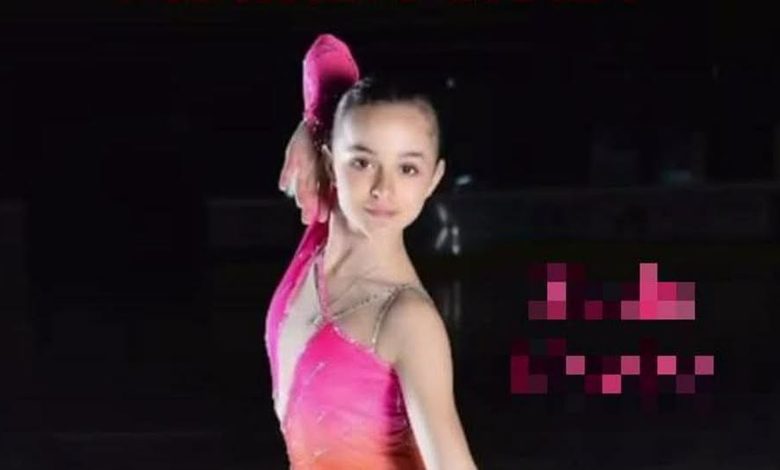
A viral article describes the death of a fifteen-year-old figure skater after an on-ice collision. It does not provide a name, location, date or official statement that would allow the death to be independently verified. The specific claim should therefore be treated cautiously. The broader subject—safety for young skaters—is real and deserves careful attention without inventing a victim.
Figure skating combines artistry with speed, hard ice and sharp steel blades. Advanced skaters may travel around twenty miles per hour while practicing jumps and step sequences. Two people moving in opposite directions can close distance quickly, especially during a crowded session.
Most skating injuries are not fatal. Sprains, strains, fractures, bruises and overuse injuries are more common. Concussions can occur when a skater’s head strikes the ice or another person. Blade lacerations are less frequent but may be serious depending on location.
Practice organization reduces collision risk. Skaters and coaches should understand who has the right of way, recognize the music of the person performing a full program and avoid standing in landing zones. Sessions may need limits on the number and skill mix of skaters sharing the ice.
Communication is essential. A skater approaching a blind angle can call out, and coaches can position themselves where they do not obstruct traffic. Earbuds that block environmental sound may reduce awareness. Everyone should know the direction and pattern used for common jumps.
Protective equipment presents tradeoffs. Helmets are widely recommended for beginners and may be appropriate for some training, although elite competition does not typically use them. Padded clothing, cut-resistant garments and gloves can reduce certain injuries without removing every risk. Equipment must fit properly and match the activity.
Rinks need rehearsed emergency plans. Staff should know who calls emergency services, where first-aid supplies and an automated external defibrillator are located and how responders will reach the ice. A person with a possible neck or head injury should not be moved casually unless immediate danger requires it.
Young athletes may hide pain because they fear losing training time or disappointing adults. Coaches and parents must make reporting symptoms safer than concealing them. Headache, dizziness, confusion, nausea, vision changes or unusual behavior after a fall require removal from activity and appropriate evaluation.
Emotional support matters after a serious incident. Teammates can experience guilt, intrusive memories or fear of returning to the rink. Counseling, honest age-appropriate information and permission to step back can help. No child should be pressured to perform grief publicly or resume skating on someone else’s timetable.
If a real young athlete has died, remembrance should begin with verified information and respect for the family. A dramatic anonymous article risks turning grief into content. The responsible legacy is practical: celebrate the joy young people find in skating, strengthen supervision and emergency preparation and make safety a condition of excellence rather than an obstacle to it.
Parents evaluating a program can ask how sessions are divided by skill, whether coaches hold first-aid training and how suspected concussions are managed. They can observe whether athletes are encouraged to report hazards and whether emergency exits remain clear. Rinks should record incidents and look for patterns rather than treating every collision as unavoidable. Coaches can schedule high-speed program runs so other skaters know when to give space. None of these measures makes ice risk-free, and rare tragedies can occur despite responsible preparation. Safety culture is not built from one rule or a burst of attention after a headline. It comes from repeated habits that place a young person’s long-term health ahead of a medal, a test session or the pressure to finish practice.