A Teacher Deleted a Classroom Nap Photo Seconds After Posting It One Parent Had Already Saved It
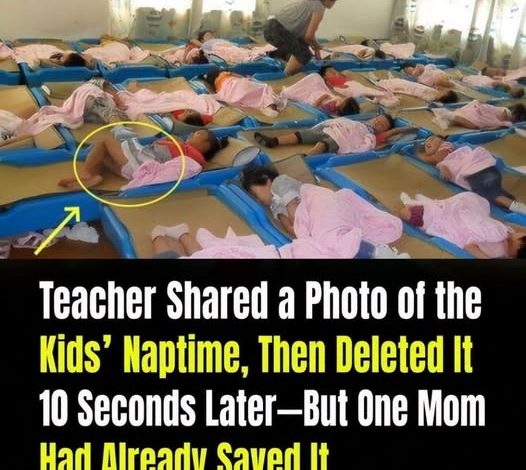
A preschool teacher posted a photograph of children sleeping during nap time, deleted it seconds later and discovered that a parent had already saved a screenshot. The incident may sound minor, but it illustrates a basic rule of digital life: deleting a post does not guarantee that every copy disappears.
Teachers often share classroom photographs to help families feel connected. Images of art projects, celebrations and outdoor play can reassure parents and create conversation at home. Those benefits depend on consent, secure systems and careful judgment about moments that should remain private.
Sleeping children are especially vulnerable. They cannot choose posture, expression or clothing, and the image may include bedding labels, classroom layouts or other identifying details. A photograph that seems sweet to one family may feel intrusive to another.
Children cannot provide meaningful informed consent for online publication. Schools therefore rely on parent or guardian permission, usually through media-release forms. Permission should explain where images may appear, who can access them and whether parents can change their choice.
Even a private parent group is not completely private. Members can take screenshots, download files or forward messages. Accounts may be shared or compromised. A secure education platform can reduce exposure, but it cannot eliminate the responsibility of every recipient.
The teacher’s quick deletion suggests she recognized a policy or privacy problem. That response was appropriate, but prevention is stronger. Before posting, staff can ask whether every visible child has current consent, whether the moment is dignified and whether the same communication goal can be achieved without faces.
Photographs of hands painting, completed projects or a wide activity scene may convey learning while reducing identification. Schools can blur faces or use angles that protect identity. Nap-time updates usually do not require a group photograph at all; a written message can tell parents that children settled comfortably.
The parent who saved the image also had responsibilities. Keeping a screenshot to report a policy concern may be reasonable. Reposting it publicly would expose the same children whose privacy the parent claims to protect. Concerns should be sent privately to administrators, not converted into another viral post.
Schools need clear procedures for mistakes. They should remove the image, notify affected families when appropriate, determine whether it was copied outside the intended system and review staff training. The goal is not automatic punishment but restoring trust and preventing repetition.
A classroom photograph carries more than a memory. It contains a child’s identity and a permanent possibility of copying. Teachers, administrators and parents share responsibility for keeping updates useful and respectful. Ten seconds online can be enough to create a lasting file, which is why the most important privacy decision happens before the upload button is pressed.
Policies should also account for families facing custody disputes, stalking or other safety concerns. For them, a seemingly harmless image can reveal a child’s school, schedule or location. Consent lists must be easy for staff to check and updated when circumstances change. Metadata and visible name tags should be removed, and personal devices should not become informal archives of student photos. Parents can support the same standard by avoiding group photographs at school events unless other families agree. Digital literacy is not only a technical lesson for children; adults model it through every post. The teacher’s mistake can become constructive if the school responds transparently, limits further sharing and improves the system instead of treating deletion as complete erasure.
Trust returns through consistent practice: ask first, collect only what is needed, share through approved channels and delete according to a retention policy rather than personal convenience. Children deserve that discipline before they are old enough to request it themselves.