Trump Issues 15-Day Ultimatum to Iran Amid Intensifying Nuclear Negotiations
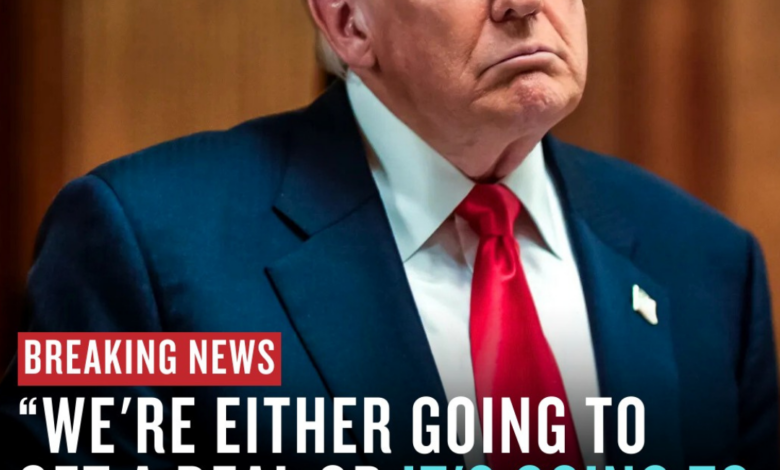
President Donald Trump announced Thursday that Iran has 15 days to reach a new nuclear agreement with the United States, warning that failure to do so could lead to what he described as “unfortunate” consequences.
Speaking about ongoing negotiations, Trump stated, “We’re going to make a deal, or we’re going to get a deal one way or the other,” underscoring the high-stakes nature of current diplomatic efforts.
The ultimatum signals a renewed push to secure stricter limits on Iran’s nuclear activities while raising global attention to escalating tensions in the region.
What the U.S. Is Demanding
According to officials, the United States and its regional ally Israel are seeking several key commitments from Iran, including:
- Reductions in nuclear enrichment levels
- Limits on ballistic missile development
- Cessation of support for regional militant groups
- Changes to domestic policies tied to internal security and protest responses
The administration has framed these demands as essential to regional stability and international security.
Vice President JD Vance reinforced the administration’s position, noting that certain “red lines” remain non-negotiable.
“The president has set some red lines that the Iranians are not yet willing to acknowledge,” Vance said during a separate briefing.
Iran’s Response
Iranian Foreign Minister Abbas Araghchi acknowledged that dialogue is ongoing but signaled caution regarding expectations.
“The path toward an agreement has started, but we will not reach it quickly,” Araghchi said, indicating that negotiations may require extended discussions.
Iran has maintained that its nuclear program is for peaceful purposes while resisting some of the restrictions proposed by Western nations.
Rising Regional Tensions
The announcement comes as military activity increases in the region.
Iran has reportedly conducted joint drills with Russia, while the United States has deployed an additional aircraft carrier to the Middle East — moves viewed by analysts as signals of strategic positioning.
At the same time, reports indicate that some regional allies, including the United Kingdom and Saudi Arabia, may be hesitant to provide certain operational support, reflecting the complex diplomatic landscape surrounding the issue.
Divided Reaction
Public and political responses have been sharply divided.
Supporters of the administration argue that firm deadlines and pressure are necessary to prevent nuclear escalation and protect U.S. interests.
Critics warn that rigid timelines could narrow the diplomatic window and increase the risk of confrontation if talks break down.
Foreign policy experts note that high-pressure negotiations can produce results — but also carry significant risk if miscalculated.
What Happens Next
With the 15-day deadline now in place, attention turns to how Iran responds and whether negotiations accelerate.
The coming weeks may determine whether the situation moves toward a formal agreement or deeper instability.
For now, global markets, diplomatic channels, and military planners are watching closely.
The stakes extend far beyond Washington and Tehran.