Lionel Richie Lit Up the St. Louis Stage in Bright Yellow — Hours Later, He Was in Intensive Care
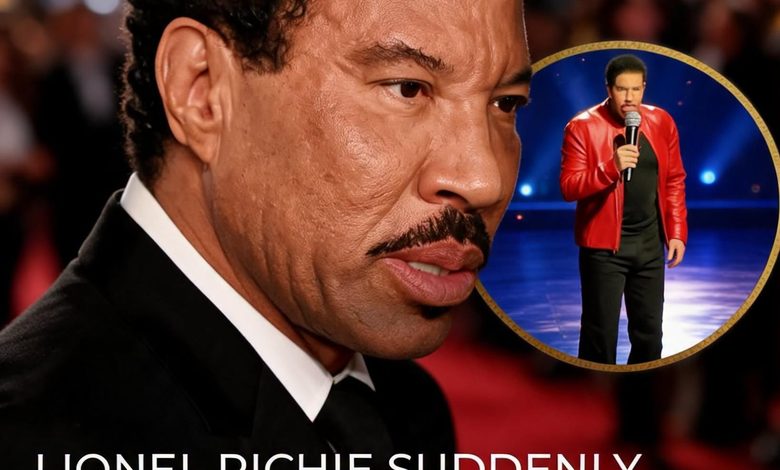
Under the lights at The Muny, Lionel Richie looked every inch the veteran showman. At 77, he smiled into the microphone in a bright yellow jacket, moved across the stage beneath bursts of light and pyrotechnics, and settled at the piano for the quieter moments that have long been part of his appeal. The St. Louis crowd responded with the kind of affection reserved for songs that have lived in people’s lives for decades. Fans later described him as funny, charming, energetic, and fully in command of the evening. Near the end, he changed into a vivid red jacket and began “All Night Long” on his feet, still gesturing toward different sections of the audience. Then something shifted. A chair was brought onto the stage, Richie sat down, and only hours later he would reportedly be admitted to intensive care at a St. Louis hospital.
The August 29, 2026, performance was a one-night appearance following a busy summer that had already taken Richie across the United States and Canada alongside Earth, Wind & Fire on the “Sing a Song All Night Long” tour. His St. Louis set reached back across nearly five decades, drawing from both his Commodores years and the solo songs that made him one of the most recognizable voices in popular music. Photographs from the evening captured the full contrast of the show: Richie standing with both arms extended before fiery stage visuals, smiling broadly beneath the lights, then seated alone at the piano with the arena focused on him. Audience members praised not only his voice but the ease with which he still connected with a room. Yet in video from the closing number, observers later noticed details that seemed more significant after the fact. Richie appeared to signal toward the side of the stage, a crew member brought out a black chair, and he finished part of the song seated while guitar and bass players remained close beside him.
The concert ended with Richie back on his feet, bowing, lifting his arms toward the audience, and repeatedly wishing the crowd good night. What happened afterward changed the meaning of those final images. According to reports cited in the original article, Richie checked himself into a St. Louis hospital for testing and was admitted to intensive care, with sources saying physicians were investigating possible mild dehydration. News of the hospitalization caused fans to revisit the footage almost frame by frame. Some who had attended the concert were stunned because they had experienced the evening as an impressive performance; others watching the clips felt that he had appeared strained toward the end. The concern was amplified by the fact that this was not an isolated episode. Just over two months earlier, during the opening night of his summer tour in St. Paul, Minnesota, Richie had become dizzy and unwell while performing “Dancing on the Ceiling,” ultimately sitting down during a song normally associated with relentless movement before leaving the stage early.
That earlier incident had also resulted in medical evaluation after paramedics met Richie backstage and he was transported to a hospital as a precaution. By the time of the St. Louis hospitalization, two separate episodes within a little more than two months had created a pattern fans could not easily dismiss, even though the source material did not identify a definitive underlying diagnosis. From a medical standpoint, dehydration, fatigue, heat exposure, medication effects, cardiac concerns, and many other factors can produce weakness or dizziness in older adults, but the reports available here only specifically referenced doctors evaluating possible slight dehydration. That distinction matters. What can be said with confidence is that Richie remained active throughout 2026, completing a substantial summer tour, making public appearances, and continuing to perform demanding live sets. What cannot responsibly be concluded from the available information is that the two incidents shared a confirmed medical cause.
For longtime listeners, the images from St. Louis carry an emotional weight precisely because Richie never appeared to surrender the stage to the moment. Even after the chair arrived, he kept singing, lifted an arm toward the crowd, and eventually stood again to say good night. That determination is easy to admire, but it also stirred a different kind of affection among fans—less focused on whether he could still perform like the man they remembered and more on whether he was taking care of himself after giving audiences so many years of music. At a certain point in a long career, the sight of a beloved performer pausing becomes as powerful as the sight of him commanding the room. The yellow jacket, the red jacket, the piano, the chair, and the final bow now belong to the same evening: a reminder that even the people who seem larger than life are still subject to the ordinary limits of the body.