Unverified Claim About a Country Music Star Injured in Tour Bus Crash
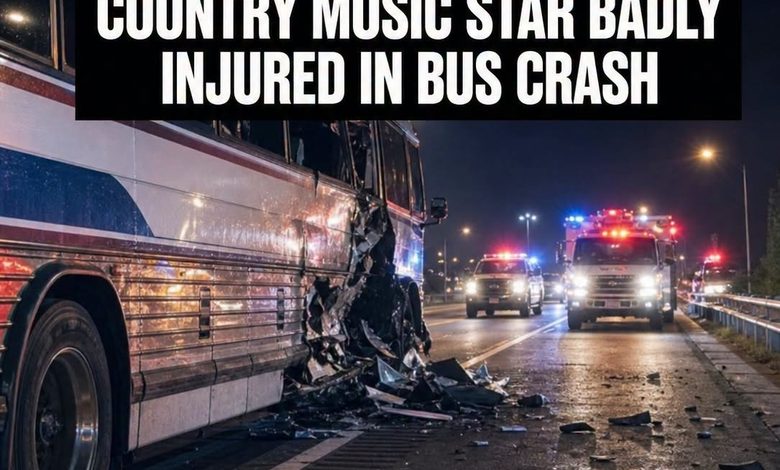
What began as a vivid, frightening scenario about Lainey Wilson’s tour bus accident is, as of now, not backed by verified reports from credible news outlets. It’s a powerful reminder of how real a story can feel even when it isn’t confirmed, especially when it involves an artist whose music people tie to their own memories and emotions. The imagined details—flashing lights, shaken crew members, postponed shows—tap into a very real fear about life on the road, but they cannot be treated as fact without evidence.
The frightening images associated with the claim are not a substitute for a confirmed account. A bus, a touring artist, and an emergency can be combined into a convincing scene without establishing that the scene occurred. The details named here, including shaken crew members and postponed performances, belong to the imagined scenario. They should not be repeated as developments in an actual accident.
That distinction is especially important for people who follow Lainey Wilson’s music closely. An alarming claim about someone whose songs accompany personal memories can provoke an immediate emotional response. Concern is understandable. It does not require accepting every detail in the claim, and withholding an unconfirmed account does not mean caring less about the people it names.
A headline can move much faster than the qualifications attached to it. Someone who sees only a claim that a country musician was injured may never reach the explanation that the story is hypothetical. When that claim is shared again without its context, another reader may encounter it as if it were an established update. The more concrete the imagined scene becomes, the easier it is for the qualification to disappear.
No injury count, medical condition, crash location, or concert cancellation can be supplied on the basis of the scenario described here. Adding those details would make the account sound more complete while moving it further away from what is actually established. The responsible boundary is straightforward: the source itself says that verified reports do not support the story, and its emotional description does not change that statement.
Life on the road can make the idea of a transportation emergency feel plausible to an audience. Plausibility is not confirmation of this particular claim. A general concern about touring safety and a report that a named person has been injured are different things. The first can be discussed without presenting the second as an event that has happened.
For now, this remains an unverified claim involving Lainey Wilson, not a confirmed report of her being hurt. Readers should retain that qualification wherever they discuss it. Compassion is better served by keeping the distinction clear than by circulating frightening particulars that the account cannot substantiate. The people named in a rumor should not acquire an invented emergency simply because the imagined version was written in a convincing way.
This gap between emotion and verification is where responsibility matters. Fans naturally rush to care, to pray, to share. But the same compassion that fuels that response should also slow us down long enough to ask, “Is this true?” Until reputable sources confirm an incident, stories like this must be framed as hypothetical or unverified—not headlines, but cautionary tales about safety, rumor, and the human beings behind the spotlight.