Rest in peace Died after father took his
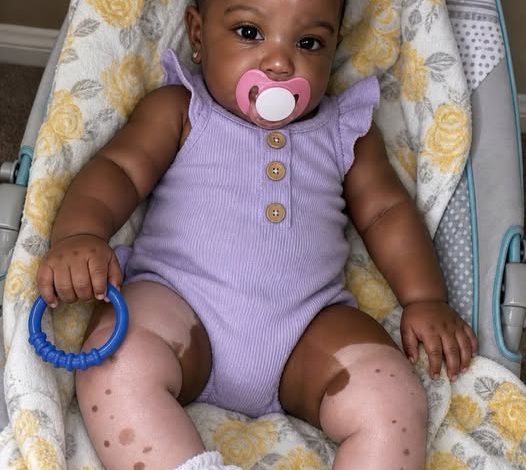
In the quiet neighborhood of Jardim das Américas, in Anápolis, a simple act of affection became a lifelong wound. The father, drained by sleepless nights, cradled his two‑month‑old son and closed his eyes for what he thought would be just a moment. When he awoke, the baby had fallen, and the desperate call to emergency services came too late. SAMU medics could only confirm the tragedy no parent imagines surviving.
The case now rests with the Civil Police and forensic experts, who are gathering testimonies from relatives and possible witnesses to reconstruct each second of that night. Investigators must decide whether what happened was a heartbreaking accident or if there was any negligence beyond human exhaustion. While the legal process moves slowly, one reality is immediate and irreversible: a small life is gone, and a father will carry the weight of that night for the rest of his days.
Context and Perspective
The source locates this account in Anápolis and describes a two-month-old child, an exhausted father, and an emergency response. It does not provide a date, reproduce a police statement, or include a medical report. Those limits are important. The article’s narrative should not be treated as a completed investigation or as proof of a legal conclusion. A description of what is being examined is different from an official finding about what occurred.
The story’s emotional force comes from the contrast between an ordinary gesture of care and an irreversible outcome. That contrast can make readers want an immediate explanation. Yet an explanation cannot be established through emotional intensity alone. The source does not supply enough evidence to reconstruct the exact sequence or to determine responsibility. Adding imagined details about the room, the parent’s thoughts, or the moments before the call would make the account more vivid while moving further away from what is actually provided.
The distinction between grief and guilt also matters. A person may experience profound distress after a death without that distress establishing a legal fact. Conversely, expressing compassion does not interfere with the need for a careful investigation. The source describes authorities gathering testimony and examining the circumstances. Those processes should be allowed to produce their own conclusions rather than being replaced by a verdict formed in a comment section.
Readers who encounter the story through a repeated caption may not realize how much context is missing. The phrase rest in peace communicates loss, but it does not identify the date, the source of confirmation, or the current status of the case. When a post is shared again, those questions remain relevant. An old account should not automatically become a new incident, and two similar headlines should not automatically be assumed to describe the same family.
The most humane reading recognizes the child’s life and the family’s loss while resisting speculation. The source offers no final investigative outcome, so none should be invented here. Its broader significance lies in the difficulty of discussing a tragedy without turning it into either spectacle or a simple moral lesson. Care, accuracy, and restraint can exist together. They allow the seriousness of the event to be acknowledged while leaving private grief with the family and factual conclusions with the evidence needed to support them.