Dean Cain Sacrificed His Career to Raise His Son Alone Vowing to Not Be like His Own Dad Who Abandoned Him
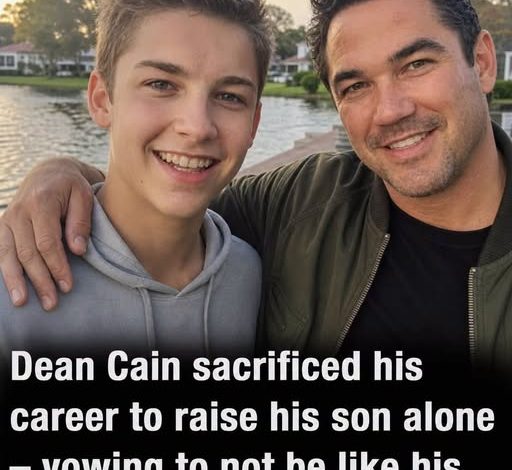
Dean Cain’s approach to fatherhood was shaped by the absence of his biological father. Growing up with that loss gave him a clear idea of what he did not want his own child to experience. When his son was born in 2000, the actor made being present a priority, even when that decision complicated a successful career.
He named his son Christopher after the stepfather who had become an important, dependable figure in his life. The name connected the child to the man who had shown Dean a different example of fatherhood. Dean’s own experience contained both an absence that hurt him and a relationship that helped him understand what a committed parent could provide.
By the time he became a father, Cain was already widely recognized for Lois & Clark. Work could take the form of films, television series, or hosting opportunities, and accepting it often meant arranging life around production schedules. Parenthood forced a different calculation. An attractive job was no longer simply a question of professional progress or visibility.
Custody battles and Christopher’s needs made those choices more immediate. Dean began turning down projects that would keep him away for long periods. He did not want his son’s childhood to become a series of occasions he heard about afterward. Being nearby mattered more to him than maintaining the appearance of an uninterrupted rise in Hollywood.
That commitment was expressed in ordinary routines as much as in major decisions. Meals needed preparing, homework needed attention, and school schedules had to be managed. Football games and jujitsu tournaments became part of the calendar he protected. These were not extras to fit in only after work had been arranged; they helped determine which work he could accept.
Smaller jobs offered a way to keep working around those responsibilities. From the outside, a career built around availability at home could look less impressive than one filled with long shoots and prominent appearances. Dean accepted that trade-off. The suggestion that his career had stalled did not reflect the purpose behind his choices or the time he was investing elsewhere.
Raising Christopher alone required more than a promise to be different from his own father. It meant following through on days that were repetitive, inconvenient, or demanding. A quiet dinner could carry as much importance as a public milestone because it represented the dependable presence Dean had decided his child would have.
As Christopher grew older, the balance changed. When his son reached eighteen, Dean could give leading roles more room again. The years devoted to parenting had not been empty years between acting opportunities. They were the substance of a relationship built while Christopher was growing up and learning whom he could count on.
For Cain, success had come to include something that a list of credits could not describe. His son knew that his father had chosen to stay involved. The professional opportunities he declined belonged to one part of his life; the childhood he remained present for belonged to another. When the two competed, he had decided which one came first.