Trump Says He’ll Sign Executive Order for 10% Global Tariff After Supreme Court Setback
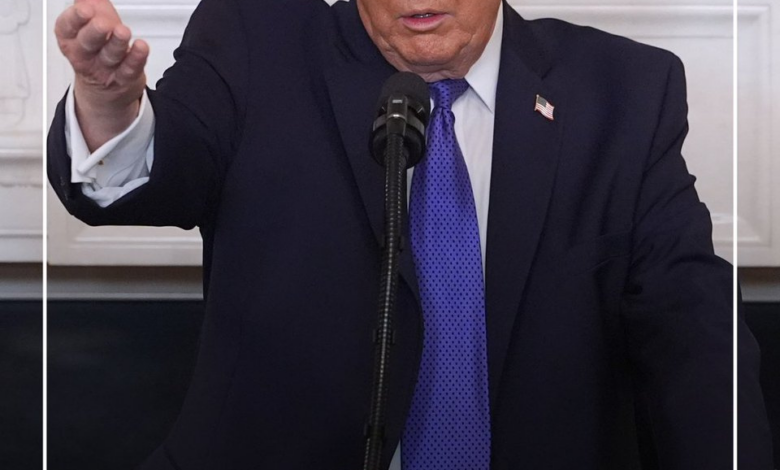
Former President Donald Trump announced that he plans to sign an executive order enacting a 10% global tariff on imports, following what he described as a significant Supreme Court defeat related to trade authority.
The proposal, if implemented, would mark one of the most sweeping tariff policies in recent U.S. history, applying a baseline duty to imported goods from countries around the world.
Trump framed the move as a necessary step to protect American industry and rebalance trade relationships.
The Legal Context
The announcement comes after a Supreme Court ruling that reportedly limited certain executive trade authorities. While details of the ruling continue to be analyzed, Trump indicated that his administration would pursue alternative legal avenues to advance his trade agenda.
Legal experts note that executive authority over tariffs is often grounded in specific statutes, such as national security or emergency economic provisions. Any new executive order would likely face immediate legal scrutiny.
What a 10% Global Tariff Could Mean
A universal 10% tariff would impact a wide range of imported goods, from consumer products to industrial materials.
Supporters argue that such a policy could:
- Encourage domestic manufacturing
- Reduce reliance on foreign supply chains
- Strengthen negotiating leverage in trade talks
Critics warn that broad tariffs may:
- Increase consumer prices
- Strain relations with key allies
- Trigger retaliatory trade measures
Economists say the overall impact would depend on how trading partners respond and how quickly domestic producers adjust.
Political Reaction
The proposal has already sparked strong reactions across the political spectrum.
Supporters describe it as a continuation of Trump’s long-standing “America First” trade strategy, emphasizing economic nationalism and industrial revitalization.
Opponents argue that blanket tariffs risk inflationary pressure and global market instability.
Business leaders and trade groups are expected to weigh in as details become clearer.
Global Implications
Because the proposed tariff would apply broadly rather than target specific nations, international markets are watching closely.
Allied governments may seek clarification regarding exemptions, negotiation pathways, or phased implementation.
Trade analysts note that similar tariff measures in the past have led to both short-term market volatility and longer-term supply chain adjustments.
What Happens Next
The timeline for signing the executive order has not been officially confirmed, but Trump indicated that action would be taken soon.
If signed, the order could face immediate court challenges, potentially setting up another legal battle over the scope of executive trade authority.
As developments unfold, the economic and political consequences of a global tariff policy will likely dominate headlines.