Experts warn drivers to remove this item from vehicles
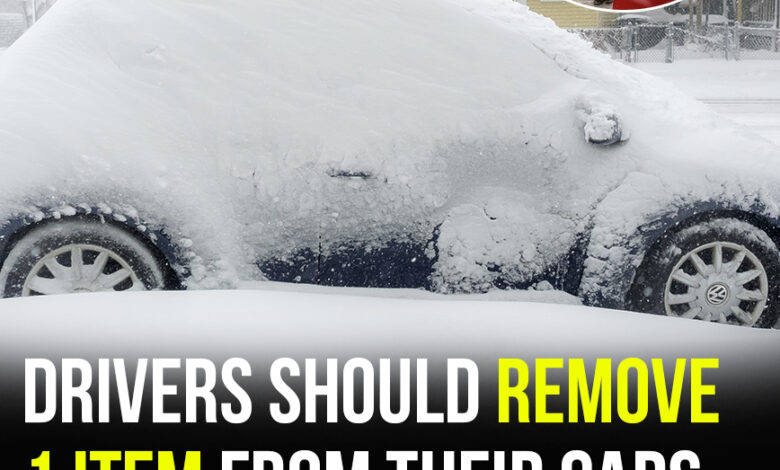
A ferocious winter storm of historic proportions has effectively shuttered the Northeast, trapping millions of residents indoors as a relentless combination of blizzard warnings, mandatory travel bans, and blinding whiteout conditions continues to batter the Eastern Seaboard.
With municipal infrastructure struggling to keep pace, roads have been rendered nearly impassable, and the utility grid has buckled under the weight of ice and high winds. Power outages have now plunged hundreds of thousands of households into darkness. Emergency management officials have shifted their tone from caution to a stark mandate: stay home, stay off the roads, and prepare for an extended period of isolation as the storm shows no signs of relenting.
The Grip of the Storm: Impassable Roads and Grounded Flights
The National Weather Service (NWS) issued a dire bulletin on Monday morning, describing visibility in some sectors as “zero,” making travel not just dangerous, but “nearly impossible.” The sheer volume of accumulation has been staggering. By daybreak Monday, major transit hubs across Long Island and New Jersey reported snow depths ranging between 19 and 20 inches, with drifts significantly higher in areas exposed to gale-force winds.
The chaos on the ground has been mirrored in the skies. According to the aviation tracking service FlightAware, the storm has triggered a nationwide air travel crisis. More than 5,000 flights scheduled to depart from or arrive in the United States were canceled on Monday alone. The brunt of these disruptions has been felt at the “Triple Threat” hubs—New York, New Jersey, and Boston—where runways remain buried under feet of snow.
The Hidden Hazard: Fire Risks Inside Frozen Vehicles
While the immediate dangers of the storm—such as frostbite and structural collapse—are well-known, experts are sounding the alarm on a hidden hazard currently sitting in thousands of buried cars: vaping devices.
Markus Lindblad, a director at the industry firm Haypp, warned that extreme cold temperatures pose a significant threat to the lithium-ion batteries found in e-cigarettes. If a device is left in a freezing car and then plugged into a charger before it has reached room temperature, it can suffer a catastrophic malfunction. The battery can overheat or enter a state of “thermal runaway,” creating a legitimate fire risk inside the vehicle. This danger is particularly acute with counterfeit or unregulated devices that lack standard safety circuitry.
Beyond the fire risk, the cold also wreaks havoc on the e-liquid. Freezing temperatures cause the liquid to thicken and expand, often resulting in cracked tanks or leaks. If these liquids seep into a car’s upholstery or, more dangerously, into its electrical vents and components, owners could face thousands of dollars in repair costs.
Precautionary Measures for the Winter Surge
Experts recommend a “common sense first” approach to protecting both the device and the vehicle:
- Remove the Device: The safest option is to bring all electronic nicotine delivery systems indoors.
- Insulation: If a device must remain in the car, wrap it in heavy fabric—such as a sweater or a wool hat—and store it in the glove compartment to provide a thermal buffer.
- Acclimatize: If a vape has been exposed to freezing temperatures, it must be allowed to return to room temperature naturally before being used or charged.
A Growing Public Health Trend
The warning comes at a time when e-cigarette usage has reached unprecedented levels. Currently, approximately 1 in 20 Americans identifies as a regular user. Perhaps more alarming is the surge in youth usage; teen vaping has seen a staggering 1,800% increase in just the past year.
According to data from Gallup as of July 2025, 8% of the American population reported vaping within the previous week, a figure that has held a steady baseline between 6% and 8% since 2019. This high density of users means that millions of devices are currently at risk of freezing across the storm-stricken Northeast.
As the blizzard continues to disrupt the rhythm of daily life, officials are reminding the public that small, proactive measures can prevent a weather-related inconvenience from escalating into a domestic or vehicular emergency.
Are you currently in the path of the storm? Ensure your emergency kits are stocked and your devices are safe. Share this report to keep your community informed.