A Viral Meat Headline Has Everyone Guessing—But What Really Happened?
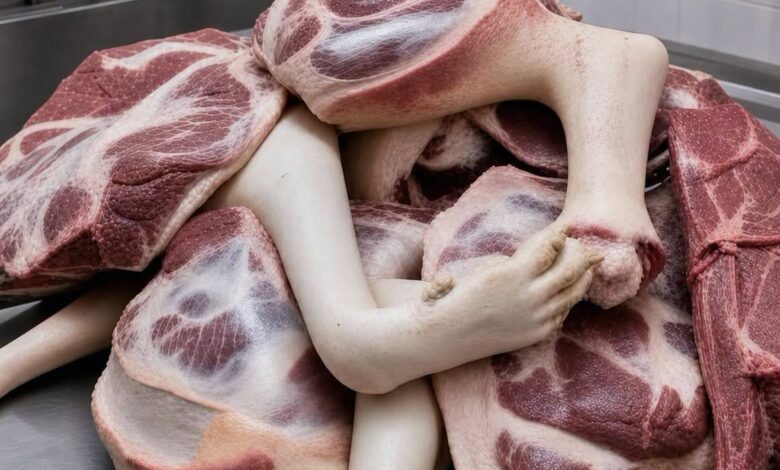
A mysterious headline about meat has caught readers’ attention, leaving many wondering what actually happened. But there’s one important detail: the headline alone doesn’t tell the whole story.
When a vague headline spreads across social media, curiosity can quickly turn into speculation. People begin sharing theories, adding their own interpretations, and sometimes treating unconfirmed claims as facts.
Why This Headline Sparked Curiosity
The word “meat” could relate to a food-business dispute, a possible health-code violation, or even an investigation. Without reliable details, however, it’s impossible to know which explanation, if any, is correct.
That uncertainty is exactly why readers should be careful before jumping to conclusions.
How Social Media Can Change a Story
Viral posts often lose important context as they spread. A headline may be shortened, a dramatic caption added, or a key detail left out entirely.
Before long, people may be discussing a version of the story that differs significantly from the original report.
When allegations involve a specific person, the consequences can be especially serious. An arrest does not automatically mean someone is guilty, and claims should be supported by reliable evidence.
What Should Readers Look For?
The best way to understand a surprising headline is to check the original report, look for statements from relevant authorities, and compare information with other trustworthy sources.
If essential details are missing, it’s better to wait for confirmation than to believe every theory circulating online.
The lesson is simple: a headline can spark curiosity, but only verified information can explain what really happened.