The Miracle of Becoming a Mother at 58: What to Know About Twin Pregnancies and Their Risks
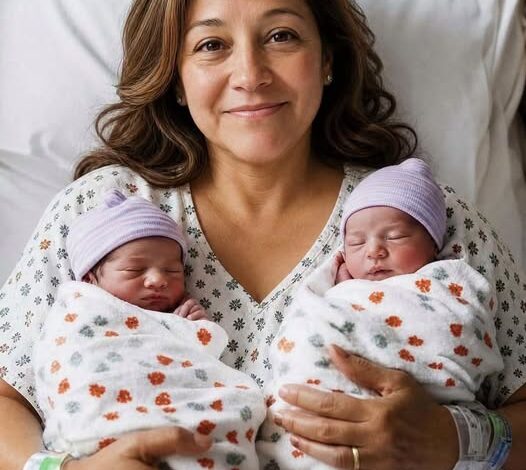
Becoming a mother at 58 may sound extraordinary, especially when twins are involved. Advances in reproductive medicine have made pregnancy possible for some women later in life, but such pregnancies also raise important questions about fertility, maternal health, and the risks facing newborns.
Twin pregnancies can bring tremendous joy, but they also require additional medical care and preparation.
How Do Twin Pregnancies Occur?
Twins develop in two main ways:
- Fraternal twins: Two separate eggs are fertilized by two different sperm cells. These twins are genetically similar to ordinary siblings and may be the same sex or different sexes.
- Identical twins: One fertilized egg divides into two embryos. These twins generally share nearly identical genetic material and are usually the same sex.
Some twins have separate placentas, while others share one. Twins who share a placenta may face additional complications, including twin-to-twin transfusion syndrome. Early ultrasound examinations help doctors determine the type of twin pregnancy and plan appropriate monitoring.
Why Does Age Matter for Fertility?
Women are born with a limited supply of eggs, and both the number and quality of those eggs decline with age. As a result, the likelihood of natural conception decreases, while the risks of miscarriage and chromosomal abnormalities increase.
Menopause generally occurs between the late 40s and early 50s. After menopause, natural ovulation stops, making spontaneous pregnancy using newly released eggs generally no longer possible.
Although the uterus may still be capable of carrying a pregnancy after menopause, the ability to become pregnant and the medical ability to carry a pregnancy safely are two different things.
Spontaneous conception at 58 is extraordinarily rare. It would be misleading to suggest that pregnancy at this age commonly occurs naturally.
How Can Pregnancy Be Possible at 58?
Assisted reproductive technology has expanded the possibilities for people hoping to become parents later in life.
In vitro fertilization (IVF) involves fertilizing an egg with sperm in a laboratory and transferring an embryo into the uterus. For women in their late 50s, pregnancies achieved through IVF often involve donor eggs or previously frozen eggs or embryos because the supply and quality of their own eggs have declined significantly.
Treatment may include medical assessments, hormone therapy, laboratory procedures, and repeated appointments. Success depends on several factors, including embryo quality, uterine health, and the mother’s overall medical condition.
Fertility treatments do not guarantee pregnancy or eliminate the health risks associated with advanced maternal age.
What Are the Risks of Pregnancy at 58?
Pregnancy later in life can place additional demands on the body. Potential complications include:
- High blood pressure and preeclampsia.
- Gestational diabetes.
- Cardiovascular complications.
- Increased likelihood of miscarriage and other pregnancy complications.
- Greater need for specialized medical monitoring.
A twin pregnancy adds further risks, particularly premature birth, low birth weight, and the possibility that newborns will require specialized hospital care.
Doctors may recommend closer monitoring, careful delivery planning, and assessment by specialists in high-risk pregnancy. The specific risks vary from person to person, so individualized medical evaluation is essential.
Emotional and Practical Considerations
Pregnancy at an advanced age involves more than medical treatment. Parents may need to consider recovery after childbirth, financial responsibilities, family support, and the long-term demands of raising children.
Twins can require simultaneous feeding, frequent medical appointments, and substantial daily care. A reliable support network can make a significant difference.
Emotional well-being also matters. Pregnancy and childbirth can affect mental health at any age, and persistent sadness, severe anxiety, or difficulty coping should prompt a conversation with a healthcare professional.
Why Reliable Information Matters
Headlines about women giving birth to twins in their late 50s may leave out important details, including whether donor eggs were used, whether embryos had been frozen years earlier, or whether the babies needed specialized care.
One successful birth does not mean that pregnancy at 58 is common or that the same treatment would be safe for everyone.
Anyone considering pregnancy at this age should consult qualified fertility and maternal-fetal medicine specialists to understand the available options, individual risks, and potential complications.
Conclusion: Hope and Medical Reality
Modern reproductive medicine has created new opportunities for some people to become parents later in life. IVF, donor eggs, and embryo preservation can make pregnancy possible even when natural fertility has ended.
However, pregnancy at 58 remains medically complex, and carrying twins introduces additional concerns. Careful health assessments, close prenatal monitoring, appropriate newborn care, and strong family support are important parts of preparing for this journey.
Ultimately, these pregnancies illustrate both the possibilities of modern medicine and the importance of informed decision-making. Every case is different, and the priority must always be the health and well-being of the mother and babies.