Airline’s controversial fine for this common plane habit
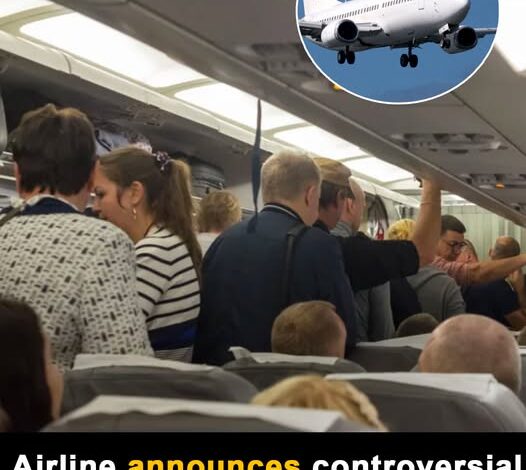
For anyone who has ever sat in a window seat and watched with weary resignation as the passenger next to them unbuckles at 60 knots, yanking a carry-on from the overhead bin before the plane has even cleared the runway, consider this a formal notice: the Turkish skies are no longer a frontier for the impatient.
Modern air travel is already a gauntlet of systemic frustrations—stagnant queues, rolling delays, and the ever-shrinking real estate of the economy cabin. Yet, perhaps no Breach of Etiquette is more universally loathed by frequent fliers than the “aisle rusher.” We all know the archetype: the traveler who treats the “Fasten Seatbelt” sign as a mere suggestion, springing into action the moment the wheels touch the tarmac to stake a claim in the aisle while the rest of the cabin collectively rolls its eyes.
Now, Turkey is officially transforming those eye-rolls into administrative action.
A New Directive for the Tarmac
Under the leadership of Director General Kemal Yüksek, the Turkish Directorate General of Civil Aviation has issued a stern directive to cabin crews nationwide. The mandate is clear: passengers who disregard the established disembarkation order—whether by standing before the aircraft has come to a complete stop or by barging into the aisle before their row has been called—now face the prospect of official legal penalties.
In a recent statement, Yüksek emphasized that the era of the “impulsive dash” is over. Passengers who fail to “respect the disembarkation priority of the passengers in front of or around them” can now be formally reported to aviation authorities. Once flagged, these travelers are subject to administrative fines levied under Turkey’s stringent aviation regulations.
The Cost of Impatience
So, what is the price of that extra ninety seconds of perceived progress? According to reports from The Washington Post, the financial sting for “aisle rushing” can reach upwards of 2,603 Turkish lira—approximately $67 USD at current exchange rates.
While the fine may seem modest to some, the message is significant. The new regulations are specifically designed to curb four “high-friction” behaviors that have become increasingly common in the post-pandemic travel era:
- Premature Unbuckling: Releasing the seat belt while the aircraft is still decelerating or taxiing.
- Early Standing: Rising from the seat before the plane has reached the gate and the engines have powered down.
- Overhead Bin Breach: Opening storage compartments while the “Fasten Seatbelt” sign remains illuminated.
- Row Jumping: Forcing one’s way into the aisle ahead of passengers seated in the rows closer to the exit.
Turkish officials warn that these maneuvers are more than just a nuisance; they represent a genuine jeopardy to passenger safety during the taxiing phase and demonstrate a fundamental disregard for the communal order of the cabin.
A Permanent Shift in Policy
As of February 2026, this enforcement mechanism remains fully active and is being integrated into standard flight operations for carriers operating within Turkish airspace.
The takeaway for those flying to or through Istanbul, Ankara, or Antalya is simple: stay buckled, stay seated, and stay patient. In the eyes of the Turkish authorities, the “aisle rush” is no longer just bad manners—it’s a line item on your travel expenses. Waiting for the chime could save you sixty-seven dollars and the palpable scorn of an entire cabin of your fellow travelers.