Trump Orders Strikes on Iran’s Missile Sites; Retaliation Threatens to Escalate Into Wider War
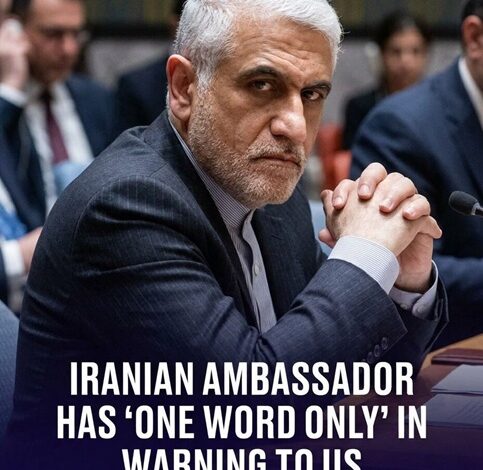
In late February 2026, the United States and Israel launched a series of coordinated military strikes against targets inside the Islamic Republic of Iran, marking one of the most serious direct escalations of conflict in the Middle East in decades.
The offensive, described by Western officials as a strategic campaign to counter what they regard as major threats from Iran’s military capabilities, set off a rapid chain of retaliation, diplomatic tension, and humanitarian concern across the region.
The Offensive: A High‑Stakes Military Operation. The joint military campaign began in the early hours of 28 February 2026 with U.S. and Israeli aircraft, guided munitions, and precision strikes targeting Iranian military infrastructure.
Israel’s government described the operation—codenamed by Israeli authorities as Operation Lion’s Roar—as a preemptive response to what it describes as imminent threats posed by Iran’s missile and defense capabilities.
According to official statements and reports:
- Iranian facilities in Tehran and other major cities were struck, including military command centers, missile storage and production sites, and security installations.
- Air defenses, ballistic missile launchers, and logistics hubs were among the key targets, with the joint campaign described as intended to limit Iran’s ability to wage long‑range attacks.
- U.S. military sources indicated that thousands of targets — including missile batteries, radar systems, and command‑and‑control infrastructure — were destroyed or degraded in the initial days of the campaign.
The strikes were framed by U.S. and Israeli leadership as both defensive and strategic, meant to avert future threats to ally nations and maintain military balance in the Middle East. Iranian officials, for their part, called the attacks a violation of sovereignty and condemned the offensive as unprovoked aggression.
A Shift in Conflict Dynamics
For years, tensions between Iran and its regional rivals — including Israel and the United States — played out largely through proxy engagements, diplomatic pressure, and support for allied militia groups across the region. However, the 2026 military operation represented a sharp transition from indirect confrontation to direct, overt combat between state forces.
Analysts say the escalation reflects a convergence of multiple long‑running geopolitical factors:
- Disagreements over Iran’s nuclear program and ballistic missile development.
- Regional security concerns voiced by Israel and Gulf states.
- Frustration over stalled diplomatic efforts aimed at curbing Iran’s strategic capabilities.
- A broader Middle East security environment made volatile by overlapping conflicts and rivalries.
This marked shift has raised fears of a long‑duration regional conflict — one in which conventional rules of engagement and previously existing deterrence postures are being tested.
Retaliation and Regional Escalation
Iran’s initial public response to the strikes was one of condemnation and promise of retaliation. Statements from Tehran suggested that responses could take many forms, including missile responses, deployment of allied forces, or cyber operations, although precise Iranian strategy remained fluid in the first days of escalation.
Within hours of the strikes:
- Regional air defenses were activated.
- Iranian forces reportedly launched ballistic missiles and drones aimed at Israeli territory and U.S. military positions elsewhere in the Middle East.
- Neighboring states heightened military readiness and closed or restricted civil aviation airspace due to safety concerns.
The conflict quickly spilled beyond Iranian borders. In Gulf states such as Bahrain, Iranian missiles struck areas near the U.S. Fifth Fleet headquarters, and at least one civilian fatality was reported due to falling debris from an incoming strike — an incident that underscored how wider populations could be affected.
Humanitarian Toll and Civilian Impact
As military operations intensified, reports of civilian casualties and infrastructure damage within Iran mounted. Iranian health officials and semi‑official organizations reported large numbers of deaths across the country, although independent verification of exact figures remains challenging amid an active conflict environment.
One particularly tragic incident — later highlighted by an independent United Nations investigation — involved a strike on a school in Minab, southern Iran, where a large number of children were reportedly killed.
The UN Fact‑Finding Mission condemned the strike as a possible violation of international law and stressed that attacks killing schoolchildren are among the gravest humanitarian concerns in conflict settings.
Beyond direct casualties, the conflict has:
- Disrupted essential services such as electricity, water, and health care in certain areas.
- Caused widespread displacement in both urban and rural regions as residents fled areas of ongoing bombardment.
- Triggered psychological trauma and long‑term community disruption.
Economic and Global Market Repercussions
The conflict’s reach extended far beyond battlefields and capitals. International markets reacted swiftly:
- Oil prices surged as traders weighed potential supply disruptions in and around the Persian Gulf — a region responsible for a significant portion of global energy exports.
- Key shipping lanes, particularly the Strait of Hormuz, became flashpoints of concern, as fears of naval blockades or attacks on commercial vessels threatened international trade.
- Major airlines suspended flights or rerouted routes to avoid conflict zones, leading to significant travel disruption and economic losses in global tourism and transportation sectors.
These economic reverberations illustrated how a regional military confrontation can have immediate and far‑reaching effects on global energy markets and supply chains.
International Reactions: Diplomatic Division and Calls for Restraint
The international response to the U.S.–Israel strikes against Iran was sharply divided:
- Some governments expressed support for actions aimed at curbing what they describe as Iranian military threats.
- Others called for immediate restraint and de‑escalation, warning that the risk of broader regional conflict posed dangers to millions of civilians beyond Iran’s borders.
- International organizations and mediators, including United Nations representatives, emphasized the need to protect civilians and adhere to international law, particularly in light of reports involving strikes on schools and densely populated areas.
Diplomatic avenues remained congested. Long‑standing mistrust between the involved parties has historically made negotiated settlements difficult, with cycles of retaliation reinforcing hardline positions on all sides.
Efforts by neutral states and international bodies to reduce tensions faced immediate obstacles as military operations continued and political rhetoric hardened.
Risk of Wider Conflict and Escalation Dynamics
Military specialists often use the term “escalation ladder” to describe how conflicts can intensify: each side responding to a prior action with a stronger demonstration of force, raising the risk that localized clashes devolve into broader war.
History shows that such dynamics can spiral rapidly, especially in regions with multiple allied networks and interconnected security concerns.
In this case:
- Iran’s alliance networks — including proxy groups in Iraq, Syria, Lebanon, and Yemen — could draw additional actors into the confrontation.
- Regional bases hosting U.S. and allied forces became potential targets for retaliation, as evidenced by drone and missile exchanges across borders.
- Countries such as Saudi Arabia, the UAE, Qatar, and Bahrain increased defensive postures amid fears of spill‑over attacks.
Each new retaliation — whether kinetic, diplomatic, or economic — will be viewed by the opposing side as a cue for further measures, potentially expanding the conflict beyond its current participants.
Civilian Displacement and Regional Precautions
As the hostilities persisted, several governments in the Middle East and beyond issued travel advisories or evacuation guidance for their citizens.
Tens of thousands of individuals were reported to be stranded as airlines canceled flights and airspace closures disrupted travel plans.
Local communities across the region grappled with uncertainty:
- Families in border regions took shelter in protected spaces or underground facilities.
- Hospitals faced surges in emergency cases, stretching resources as casualties mounted.
- Schools and public services closed temporarily in areas under threat of attack.
These social disruptions highlighted how military conflicts — even when geographically contained — can significantly affect day‑to‑day life for millions of civilians.
Diplomatic Efforts and the Path Forward
Analysts widely believe that the weeks following the initial strikes will be critical in determining whether the confrontation remains limited or expands further.
High‑level diplomatic efforts — including quiet back‑channel negotiations — were reported by several international observers, though official progress remained opaque at the time of reporting.
Possible developments include:
- Attempts by neutral states or international organizations to broker cease‑fire agreements or humanitarian pauses.
- Negotiations over de‑escalation terms linked to broader regional security frameworks.
- Pressure from global powers and economic blocs for a withdrawal from active combat operations.
Once diplomatic channels begin yielding tangible steps, there may be openings to mitigate the risk of prolonged or expanded conflict.
However, given the scale of military operations and entrenched political differences, significant challenges remain.
Conclusion: Strategic Decisions at a Tipping Point
The joint U.S. and Israeli strikes against Iran in early 2026 marked a moment of profound escalation in a region already burdened by decades of complex conflict.
The offensive and its aftermath have reshaped security calculations, humanitarian dynamics, and global economic concerns.
Whether the confrontation evolves into a prolonged regional war or transitions toward negotiated de‑escalation will depend on the interplay of military actions, diplomatic initiatives, and leadership decisions on all sides.
What is already clear is that the conflict has underscored the delicate balance between security imperatives and the human costs of warfare, and that the days and weeks ahead will be crucial in shaping the broader trajectory of Middle Eastern stability and global geopolitics.