HT7 BREAKING – IRANIAN PARLIAMENT APPROVES THE CLOSURE OF THE! See More
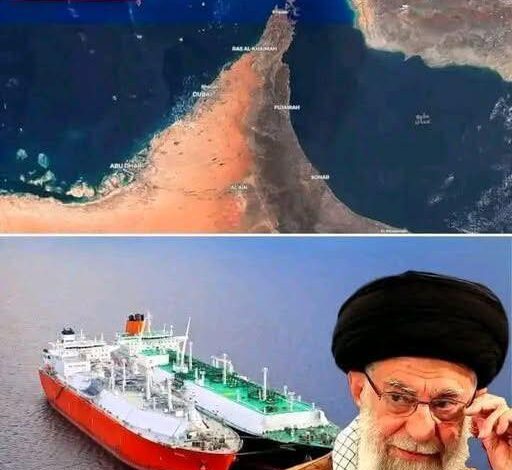
In recent days, the delicate equilibrium of the Middle East has faced a significant challenge, drawing the intense focus of the international community. Reports originating from Tehran indicate that the Iranian Parliament has approved a measure concerning the potential closure of a vital maritime passage. While the specific details regarding the implementation of this measure remain under review and are subject to further administrative and governmental procedures, the mere announcement has sent shockwaves through global energy markets, shipping industries, and the highest levels of diplomatic circles.
At the heart of this escalating tension is the Strait of Hormuz, a narrow yet extraordinarily consequential channel that connects the Persian Gulf to the open seas. Despite its limited physical width, the strait serves as a central artery for the global economy. Every day, a staggering portion of the world’s oil and liquefied natural gas (LNG) exports transit through this route, solidifying its status as arguably the most strategically vital maritime corridor on the planet. Because many of the world’s primary energy-producing nations depend on this passage to reach their international customers, any credible threat to its uninterrupted transit creates immediate and profound anxiety across the globe. Refiners, shipping conglomerates, insurance giants, and sovereign governments are currently monitoring every development with meticulous care, fully aware that a disruption here could trigger a cascade of economic uncertainty and surging costs worldwide.
One of the most immediate indicators of geopolitical friction in the modern era is the volatility of the financial markets. Analysts have observed that commodity markets, specifically oil futures, often react with high sensitivity well before official government policy responses are even finalized. In this instance, the political signaling alone has been enough to stir the markets. Energy experts emphasize that the mere possibility of restricted access creates a “risk premium” that drives up the price of crude oil, shipping insurance, and freight costs. These increases are not necessarily caused by a physical blockade but by the pervasive uncertainty surrounding the future of supply. For the average consumer, this market behavior translates into tangible pressure: higher fuel prices at the pump, increased costs for transporting goods, and general inflationary pressure on a wide range of everyday products.
Beyond the immediate economic tremors, the situation presents a maze of complex legal and strategic challenges. International maritime law is governed by a series of agreements, such as the United Nations Convention on the Law of the Sea, which are designed to guarantee the freedom of navigation through international straits. Any action that challenges this legal framework is viewed as a significant provocation, often prompting coordinated diplomatic or even naval responses from a coalition of nations. Security analysts looking for historical context often point to previous “Tanker Wars” or periods of regional friction where naval patrols were intensified to maintain the flow of commerce. From a military perspective, these scenarios require immense preparation; defense experts stress that deterrence and open lines of communication are essential to preventing a fatal miscalculation that could lead to broader conflict.
The interconnectedness of the 21st-century economy ensures that a decision made in a single parliament can influence manufacturing hubs, consumer spending, and the stability of developing nations halfway across the world. This reality has reignited a global conversation about energy security and the necessity of diversification. Countries that have invested in alternative energy sources, varied trade routes, and robust strategic petroleum reserves are naturally better equipped to absorb these types of geopolitical shocks. Over the last decade, diversification has evolved from a theoretical policy goal into a survival strategy for nations wary of their dependence on a few key transit points.
While the public headlines are dominated by official statements and legislative votes, a substantial amount of critical work is being conducted in the shadows of quiet diplomacy. Governments across various continents are reportedly engaging in intense discussions aimed at clarifying intentions and exploring pathways toward de-escalation. Diplomacy in such high-stakes environments is a grueling process of balancing national interests against international expectations. History has repeatedly shown that sustained, behind-the-scenes communication is often the most effective tool for preventing regional tensions from spiraling into global crises. In this effort, international monitoring agencies play a vital role by providing verified data that can help dispel the misinformation that often flourishes during times of crisis.
The digital age has introduced a new layer of complexity to these events: the rapid spread of commentary and speculation. In the current climate, it is essential for investors and the public to distinguish between official state policy and the hyperbolic rhetoric that often populates social media. False or exaggerated claims can artificially amplify market panic and public anxiety, making measured and transparent communication from credible institutions more important than ever.
Looking back at past periods of tension in the Strait of Hormuz reveals several recurring lessons. First, energy markets are inherently reactive to the perception of risk, regardless of whether that risk is fully realized. Second, prolonged periods of uncertainty often cause more widespread economic damage than short, contained disruptions. Finally, history demonstrates that coordinated, international responses are far more effective at maintaining regional stability than unilateral actions taken by any single power. These lessons are currently informing the contingency plans being reviewed by world leaders as they evaluate their strategic reserves and reinforce their maritime partnerships.
It is crucial to emphasize that a parliamentary vote in Iran does not equate to an immediate physical closure of the waterway. The implementation of such a measure would require a series of further legal and administrative steps, and many observers suggest that this move may be a form of strategic signaling—an attempt to exert leverage in broader negotiations—rather than a definitive policy shift toward immediate action. Nevertheless, the situation serves as a stark reminder of the concentrated vulnerabilities that exist within our global systems. A single narrow stretch of water continues to hold the power to influence prices, policies, and perceptions across every continent.
Ultimately, this development illustrates the deep-seated interdependence of the modern world. Energy security, international law, and economic stability are no longer isolated concerns; they are inextricably linked. Decisions made within national borders can reverberate through global financial markets and affect household budgets across the globe. As the international community continues to monitor the situation, the focus remains on the preservation of the commerce and cooperation that underpins the global economy. The events of the coming days will serve as a crucial test of the resilience of our international systems and our collective ability to navigate a world where the stakes of miscalculation are higher than ever.