King Charles Revokes Honorary Titles From Nine Individuals
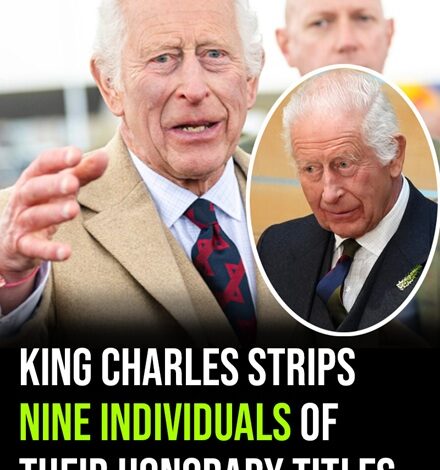
This month, King Charles III took the rare and serious step of revoking nine MBEs and OBEs, honors awarded by the monarch to individuals who have made significant contributions to British society.
The Order of the British Empire, established in 1917, recognizes individuals for exemplary service across a range of fields. The honors reflect achievement, dedication, and impact on the community or nation.
The OBE, or Officer of the Order of the British Empire, is typically awarded to those with distinguished roles in regional or national spheres, marking their influence and notable accomplishments within their profession or community.
Recipients of an OBE are often recognized for leadership, exceptional service, or innovation that sets them apart. The award signals the individual’s sustained contribution and national acknowledgment of their efforts.
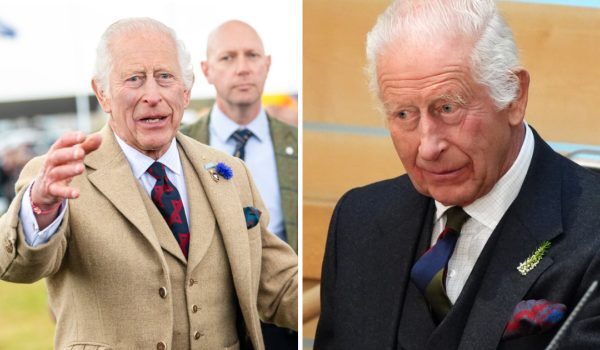
Meanwhile, the MBE, or Member of the Order of the British Empire, is awarded for outstanding achievement or service within the community. It recognizes efforts that inspire others and produce tangible, meaningful impact.
An MBE honors those whose contributions, whether in local projects, charities, or professional endeavors, stand out as exemplary. The focus is on both sustained effort and the tangible benefits provided to society.
Revocation of MBEs and OBEs is exceedingly rare. Such decisions are not taken lightly, as they reflect a careful evaluation of conduct, character, and alignment with the values the honors represent.
This month, however, King Charles III directed the removal of nine honorary titles. The reasons included criminal convictions, actions that discredited the honors system, or professional misconduct that brought disrepute to the awards.
Among the most widely reported cases is former Scottish rugby star Stuart Hogg. Hogg had received an MBE in the 2024 New Year honors for services to rugby.
Hogg’s MBE was revoked after he pleaded guilty to domestic abuse charges, a serious criminal offense. The revocation was officially recorded in The Gazette, the official public record for government announcements.
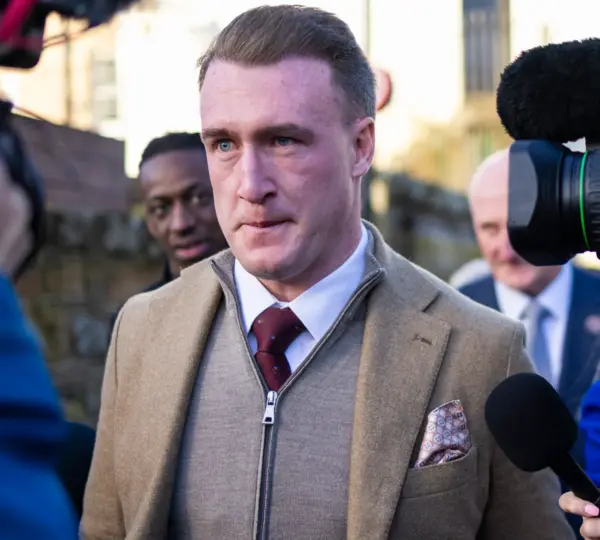
The notice stated: “The King has directed that the appointment of Stuart William Hogg to be a Member of the Civil Division of the Most Excellent Order of the British Empire, dated 30 December 2023, shall be cancelled and annulled.”
It further added that Hogg’s name would be erased from the Register of the Order, formally removing his right to use the MBE designation in any professional or personal capacity.
Another notable case is Paul Allen Rose, founder of Barrow’s Owl Sanctuary in Cumbria. He had been awarded an MBE in 2002 for services to wildlife conservation and animal welfare.
Rose was sentenced in May 2024 after pleading guilty to two counts of causing unnecessary suffering to a protected animal and one count of failing to ensure animal welfare under the Animal Welfare Act 2006.
The revocation reflects the seriousness with which the UK honors system treats criminal convictions, particularly those that directly conflict with the values and public trust associated with MBEs and OBEs.
Other individuals had their awards revoked for professional misconduct or bringing the honors system into disrepute, demonstrating that both private behavior and public actions are considered in these decisions.
Angela Middleton, awarded an MBE in 2019, had her title revoked for actions deemed to bring the honors system into disrepute, although the specifics were not publicly detailed in the official notices.
Similarly, Anant Shah, who received an OBE in 2020, lost his honor for conduct inconsistent with the expectations of the order, highlighting that professional or ethical breaches can result in revocation.
Tony Reilly, awarded an OBE in 2011, and Nigel O’Connor, who received an MBE in 2015, were both stripped of their honors due to professional censure, reflecting disciplinary action taken in their respective fields.
Criminal convictions were the primary cause for the revocation of awards for Ian Ashbold, MBE 2016; Lloyd Hamilton, MBE 2011; Graham Trewhella, MBE 2010; and Paul Rose, MBE 2002, alongside Stuart Hogg.
Each revocation process involves review by the Honours Forfeiture Committee, which considers evidence, convictions, and the impact of the individual’s actions on the public perception of the Order.
The committee’s role is to ensure that honors maintain integrity and public confidence, and to recommend revocation when recipients’ actions fundamentally undermine the prestige of the awards.
According to official guidance, removal of an honor is typically reserved for cases involving serious criminal activity, professional misconduct, or behavior incompatible with the values the British honors system represents.
The decision to revoke an honor is formally communicated to the individual, recorded in The Gazette, and accompanied by erasure of their name from the official Register of the Order, legally and publicly nullifying the award.
The public announcement of these nine revocations serves to reaffirm that the British honors system maintains strict standards, and that the title carries responsibilities as well as recognition.
The impact of such revocations can be significant. For recipients, it represents both reputational damage and formal acknowledgment that past achievements are no longer officially celebrated.
The revocations also send a message to current and future honorees about the expectations of personal conduct and professional integrity required to retain these prestigious distinctions.
Stuart Hogg’s case, given his high public profile, attracted widespread media attention, prompting discussions about accountability for celebrities and public figures who hold honors for services to sport or society.
Similarly, Paul Rose’s conviction and subsequent MBE revocation sparked dialogue around the ethical treatment of animals and the responsibility of conservationists to uphold the values for which they are recognized.
The range of offenses leading to these revocations—from criminal convictions to professional censure—illustrates that honors are contingent upon ongoing ethical and lawful behavior, not solely past contributions.
This approach maintains the credibility of the honors system, ensuring that recipients embody the qualities of service, integrity, and exemplary conduct expected by the Crown and society.
While rare, revocation also underscores the idea that honors are a privilege, not an entitlement, and misuse of that privilege can result in formal removal, preserving public trust.
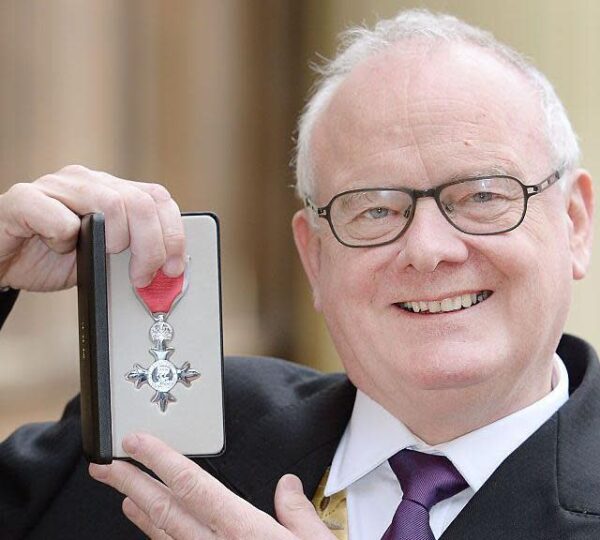
The full list of recipients affected this month includes Ian Ashbold, Lloyd Hamilton, Angela Middleton, Nigel O’Connor, Tony Reilly, Paul Rose, Anant Shah, Graham Trewhella, and Stuart Hogg, each for reasons specific to their conduct.
These cases span a range of professions and contributions, from sports and conservation to other civic or professional achievements, demonstrating that the honors system applies standards uniformly across different sectors.
Public reaction has been mixed, with some expressing disappointment in the individuals’ behavior, while others emphasize the importance of due process, review, and transparency in revocation decisions.
Commentators have highlighted that revocations, though rare, protect the integrity of the honors system and reinforce societal values, ensuring that recognition aligns with ethical behavior and public expectations.
King Charles III’s decision to revoke these nine honors represents one of the more significant enforcement actions in recent years, demonstrating the monarchy’s commitment to maintaining standards of accountability.
The honors system in the UK includes several ranks beyond MBEs and OBEs, such as Knighthoods, CBEs, and higher appointments, all subject to similar codes of conduct and potential revocation if warranted.
Historical precedents show that revocation is uncommon, reserved for circumstances where the recipient’s actions severely undermine public trust, the prestige of the award, or the moral expectations of society.
The official process for revocation involves careful consideration, consultation with relevant authorities, and review by the Honours Forfeiture Committee, which ensures each decision is evidence-based and fair.
Revocation notices are published in The Gazette, providing a transparent public record. This formal announcement confirms that the individual no longer holds the honor and that their achievements are officially unrecognized.
The recent revocations serve as a reminder that honors, while prestigious, are also a responsibility. Recipients are expected to maintain conduct consistent with the standards of service, ethics, and societal respect.
Media coverage of the cases has brought public attention to the governance and oversight of the honors system, reinforcing the importance of accountability and ethical behavior for those recognized by the Crown.
In conclusion, King Charles III’s decision to revoke nine MBEs and OBEs highlights the ongoing effort to preserve the integrity, credibility, and value of the UK honors system, ensuring that it continues to reflect the highest standards of society.