What Is Bologna Made Of?
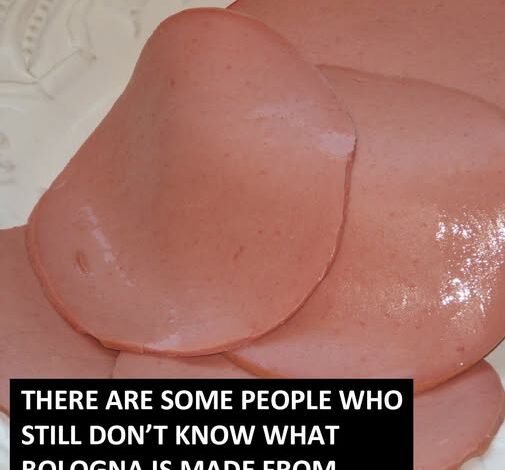
Bologna hides a secret most people never bother to question. It’s in lunchboxes, on cheap white bread, folded into neon-pink circles of mystery. We feed it to kids, joke about it as “junk,” and still keep buying it. What if the story behind that smooth pink slice is far stranger, more historic, and more carefully controlled than you ever imagined? Beneath its innocuous appearance lies a journey that spans centuries, continents, and cultural shifts—a story that touches culinary tradition, industrial innovation, and the peculiar American obsession with convenience. That thin, processed slab isn’t just a snack; it’s a mirror of the way we think about food, efficiency, and taste in the modern world.
Bologna is less a random “meat mush” and more a tightly regulated, modern descendant of old-world sausage craft. Today’s slices are usually made from beef, pork, chicken, or a blend, finely ground and emulsified into that familiar smooth paste, then cooked and often smoked in either natural or synthetic casings. The process is surprisingly precise: grinders, emulsifiers, and cookers work to achieve uniform color, texture, and flavor, which is why every slice has that almost unnaturally smooth, bubble-gum pink consistency. While people imagine beaks, hooves, and horror stories, U.S. regulations—enforced by the USDA—and current market demand mean most mass-produced bologna is made from predictable cuts of meat and fat, not the nightmare scraps that urban legend would have you believe. Safety, standardization, and long shelf life have become just as integral to bologna as its flavor, which explains why generations of kids have been able to eat it with minimal risk, even if the nostalgia-laden taste seems like a guilty pleasure today.
Its Italian cousin, mortadella, reveals the product’s heritage: a proud, flavorful sausage originating from Bologna, Italy, where tradition demands quality, seasoning, and texture. Mortadella is often speckled with cubes of fat, studded with black peppercorns, and sometimes dotted with pistachios, giving it a complex, layered taste that celebrates craftsmanship rather than industrial uniformity. It’s a sausage meant to be savored slowly, sliced thick and enjoyed on fresh bread or alongside a glass of wine. American bologna, by contrast, is streamlined and homogenized, built for uniformity, affordability, and mass appeal. The cultural shift from artisan mortadella to neon-pink bologna reflects broader trends in American food history: industrialization, the rise of pre-packaged convenience, and a society increasingly willing to trade nuance for predictability. Read the label and you’ll see the truth: spices, sweeteners, emulsified meat—not a health food, but not a mystery monster either. It’s a processed comfort, a familiar flavor that evokes childhood memories, lunchroom debates, and the kind of simple pleasure that can survive decades of changing tastes and diets. In every slice lies a curious paradox: a product mocked for its simplicity yet embraced for its dependability, a reminder that even the most ordinary foods have stories worth telling.