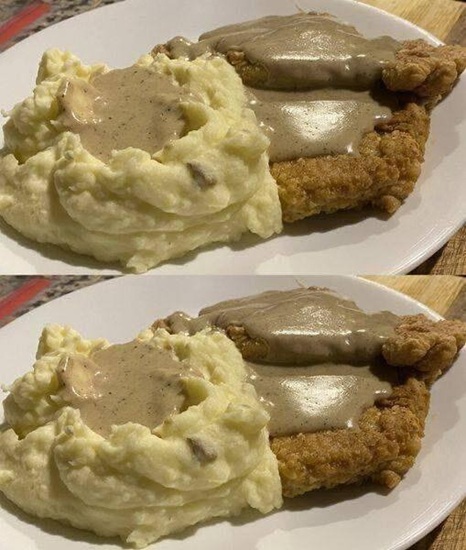
Stop Boiling Mashed Potatoes in Water — Here’s What You Should Do Instead

Mashed potatoes are a beloved comfort food around the world, but the way many people cook them often undermines their natural flavor. Boiling in plain water can leave potatoes bland and uninspiring, masking their potential.
When potatoes are cooked in plain water, they absorb moisture but simultaneously lose some of their natural starch and taste. This dilution often results in mash that feels flat, watery, and lacking in character.
Many home cooks try to fix this by adding extra butter, cream, or salt after cooking, but these additions only compensate for flavor lost during boiling rather than enhancing the potatoes naturally from within.
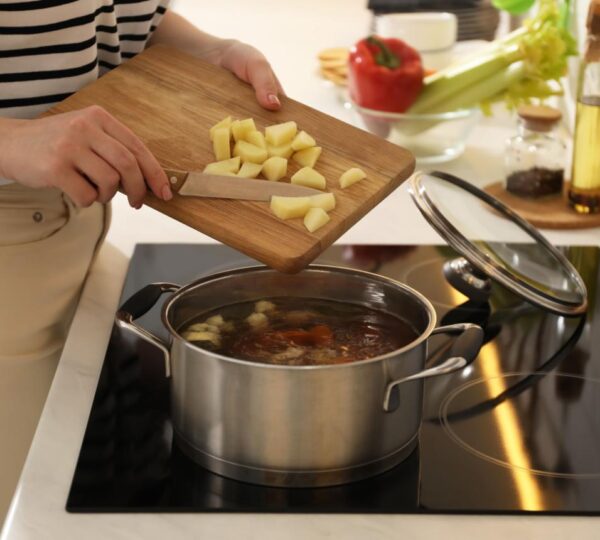
A simple but powerful trick transforms this classic dish: boiling potatoes in chicken stock or a mix of stock and water. This technique infuses savory flavor directly into the potato as it cooks, building a more satisfying base.
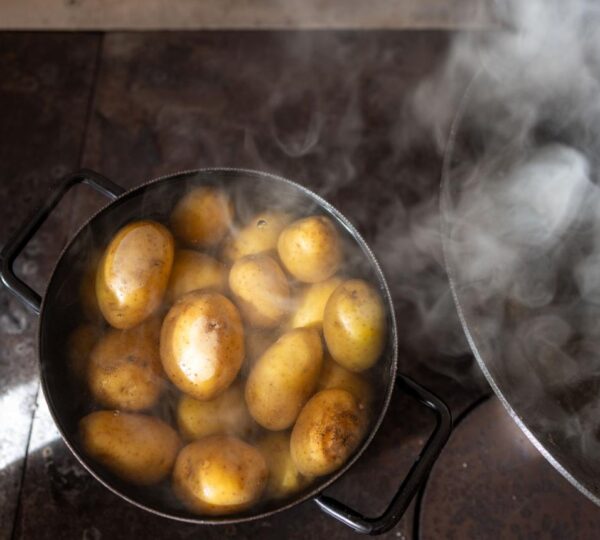
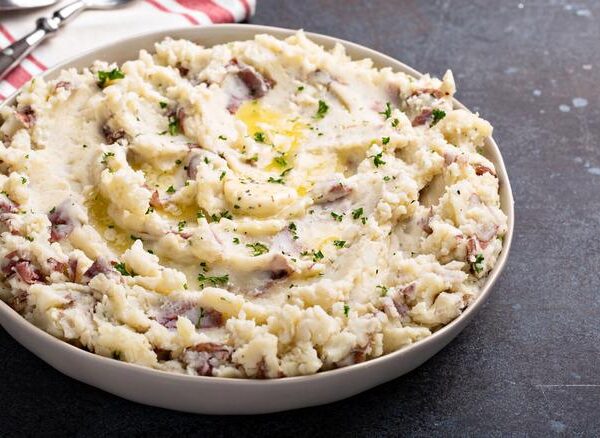
Leaving the skins on while boiling adds subtle texture and complexity to the mash. The skins contribute earthiness, retain nutrients, and give a slightly rustic appeal, resulting in a more visually and gastronomically interesting dish.
After boiling, the potatoes can be mashed gently to preserve some texture. Over-mashing can make them gluey, so folding in ingredients carefully ensures a creamy yet slightly chunky consistency that feels indulgent but natural.
Enhancing the mash doesn’t require heavy-handed additions. A touch of sour cream, a small knob of butter, or finely chopped fresh chives can elevate the flavor while allowing the potatoes’ inherent taste to remain front and center.
This method also encourages experimentation with herbs and spices. Thyme, rosemary, or roasted garlic can be incorporated during cooking to create layers of flavor, producing a mash that tastes thoughtful and professionally prepared.
Professional chefs often recommend warming the stock before adding it to potatoes. Hot liquid helps maintain an even cooking temperature and prevents the mash from becoming dense or lumpy, ensuring a smooth, airy texture.
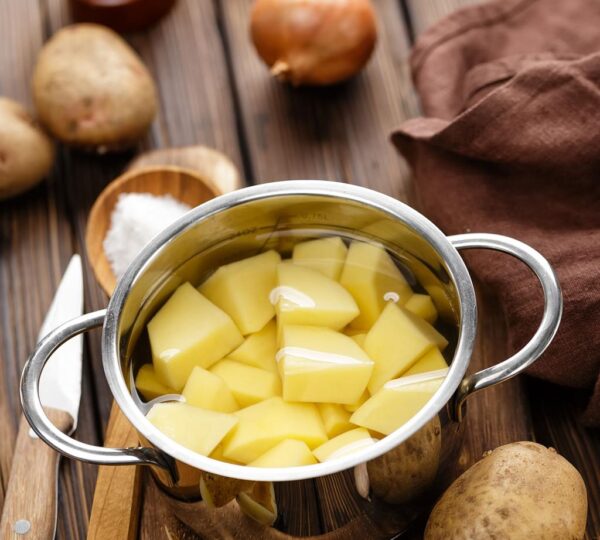
Using stock instead of water is especially useful when making mashed potatoes for large meals or holiday dinners. The flavor develops more deeply, allowing the potatoes to complement meats, gravies, and other side dishes without being overshadowed.
Additionally, certain types of potatoes respond better to this method. Yukon Golds, for instance, have a buttery texture and naturally creamy interior, while Russets provide fluffiness and absorb stock efficiently for a rich, velvety mash.
For even more depth, some cooks roast garlic cloves or onions alongside the potatoes. These roasted aromatics can be blended into the mash or folded in gently, imparting a sweet, caramelized note that enhances the overall flavor profile.
Salt should be added carefully. A little during boiling helps season the potatoes internally, while adjusting at the end ensures balance. Over-salting is easy to do, but the flavor-infusing stock reduces the need for excessive seasoning.
Texture can be further elevated by finishing the mash with a small amount of olive oil or high-quality butter. These fats round out the flavor, create a glossy finish, and help the dish feel luxurious without overpowering the potatoes’ natural taste.
For a lighter alternative, using milk or cream warmed and gently folded in maintains creaminess without adding heaviness. This technique preserves the potatoes’ structure while enhancing flavor and mouthfeel.
Mashed potatoes prepared in stock also pair beautifully with other ingredients. Folded in caramelized leeks, sautéed mushrooms, or finely grated cheese, the mash becomes a versatile dish suitable for both casual and formal meals.
Home cooks often notice an immediate difference when trying this method. Potatoes taste more robust, savory, and complete, almost as if they were seasoned from the inside out rather than relying solely on post-cooking additions.
This approach reflects a larger philosophy in cooking: using small, thoughtful adjustments to enhance flavor naturally. The effort is minimal, but the payoff in taste, aroma, and presentation is substantial and noticeable.
Even presentation benefits from this method. A rustic mash with skins on and carefully folded ingredients can be served in a bowl garnished with fresh herbs, creating an appealing visual that mirrors the rich taste within.
For those making mashed potatoes ahead of time, this method offers resilience. Potatoes boiled in stock retain flavor and texture better when reheated, making them ideal for meal prep or large gatherings where timing can be a challenge.
Ultimately, the key takeaway is that plain water dilutes rather than enhances flavor. Using stock, keeping skins on, and thoughtfully incorporating complementary ingredients transforms mashed potatoes from a simple side into a centerpiece worthy of attention.
This method also encourages mindfulness in cooking. Rather than relying on heavy butter or cream to compensate, it teaches home cooks to build layers of flavor intentionally, resulting in a dish that is balanced, rich, and naturally satisfying.
Once you experience stock-boiled potatoes, returning to plain water may feel disappointing. The fullness of flavor, the depth of aroma, and the enhanced texture reveal what a difference a simple adjustment can make in a classic favorite.
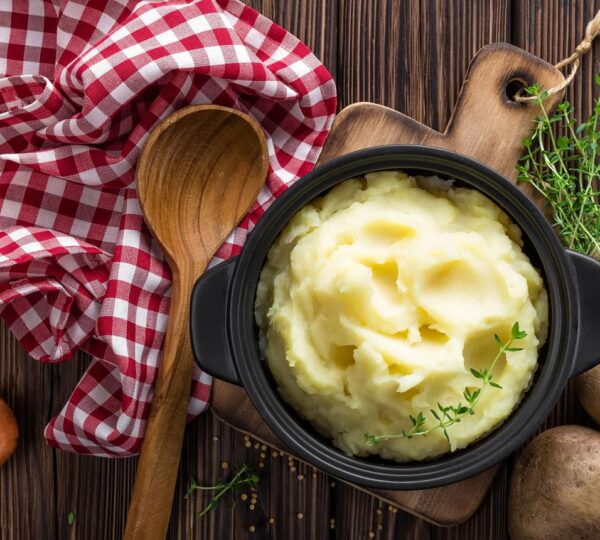
Mashed potatoes prepared this way exemplify how culinary techniques can be simple yet transformative. Small changes—like using stock, leaving skins on, or carefully folding in ingredients—elevate a familiar dish into something memorable and delightful.
This approach highlights a broader trend in modern cooking: using minimal but strategic interventions to amplify natural flavor. It’s about respect for ingredients, attention to technique, and understanding how flavors develop during cooking.
The flavor and texture achieved through this method are subtle but noticeable. Stock infusion allows potatoes to taste savory and rich without excess fats or additives, creating a healthier, more flavorful alternative to traditional preparation.
Finally, mashed potatoes made with stock demonstrate that simplicity and sophistication can coexist. A humble side dish becomes a culinary statement, showing that thoughtful preparation transforms everyday ingredients into something extraordinary and memorable.