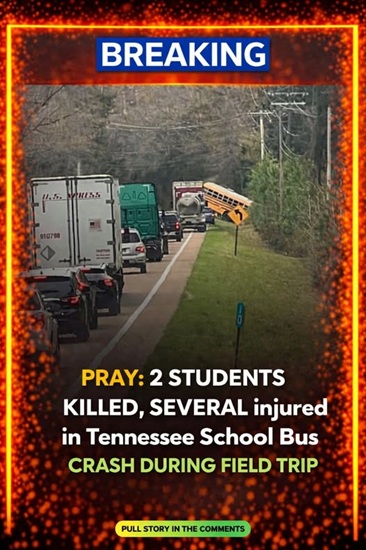
A School Trip That Took an Unexpected Turn: What Happened to Kenwood Middle School
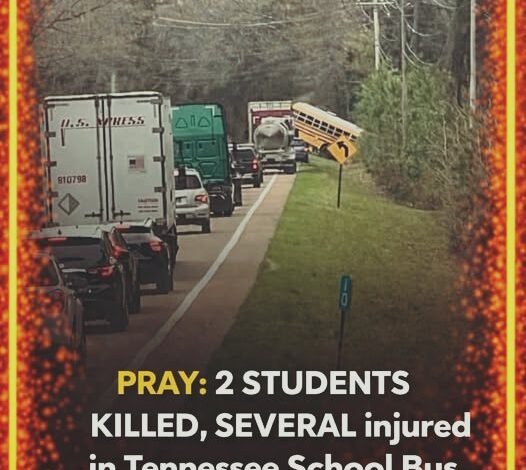
The morning of March 28, 2026, began with a quiet sense of excitement that often surrounds school trips. Students from Kenwood Middle School gathered early, carrying backpacks, conversations, and expectations for a day that promised learning and shared experience.
The destination was a GreenpowerUSA event, an opportunity designed to inspire curiosity, teamwork, and innovation. For many students, it was more than a trip—it was a chance to explore ideas beyond the classroom.
Teachers and chaperones moved through the morning with routine care, checking attendance, organizing seating, and ensuring everything was in order. The atmosphere was calm, structured, and filled with anticipation for what the day might bring.
As the bus began its journey along Highway 70, the sense of normalcy remained. Conversations continued, some students looking out the windows, others engaged with friends, unaware that the day would soon take an unexpected turn.
At some point during the trip, that sense of routine was interrupted by a serious crash. The details are still being carefully reviewed, but the impact was significant enough to change the course of the day immediately.
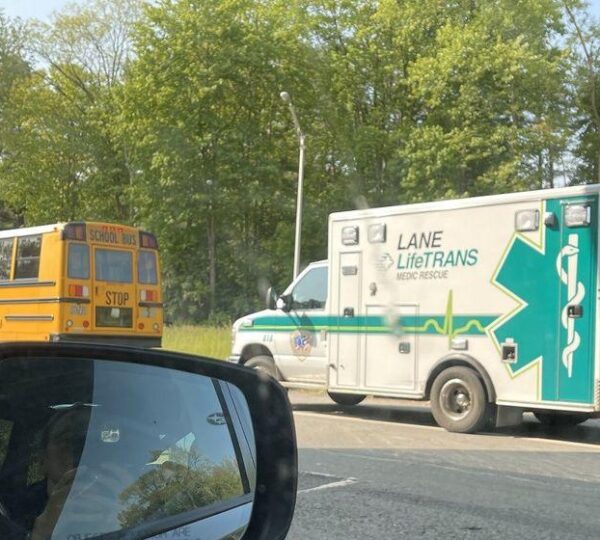
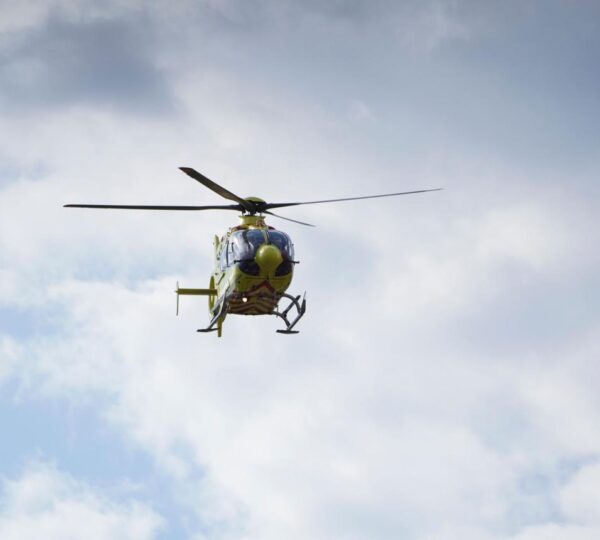
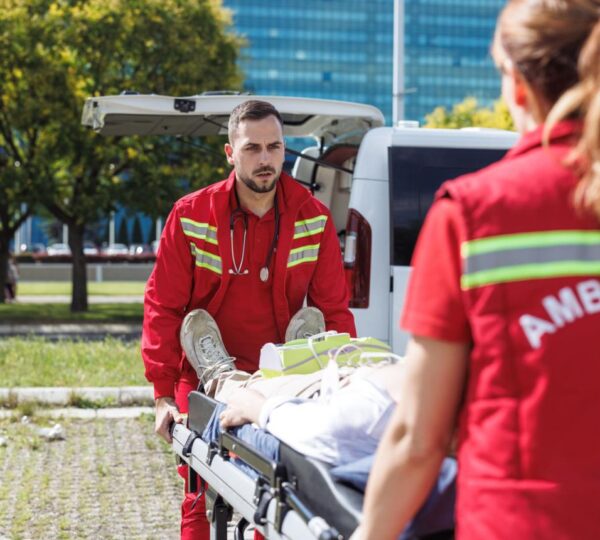
Emergency response teams arrived quickly. Ambulances, paramedics, and air transport units coordinated efforts to provide care, working under pressure to stabilize those injured and transport them safely to nearby hospitals.
Several students required urgent medical attention. The bus driver was reported to be in critical condition, and medical teams began immediate efforts to provide necessary treatment and ongoing care.
In situations like this, the initial response is only the first step. Investigators began examining the scene methodically, documenting evidence, reviewing conditions, and working to understand exactly how the crash occurred.
This process is careful and deliberate. It involves collecting information from multiple sources, including physical evidence, witness accounts, and technical assessments, ensuring that conclusions are based on verified facts rather than assumptions.
While emergency teams focused on immediate care, the effects of the incident extended far beyond the crash site. News reached families, schools, and communities connected to the students involved.
In Carroll and Montgomery counties, connections between families, educators, and students are closely woven. Events affecting one group are often felt across entire communities, creating a shared emotional impact that is difficult to separate.
Parents began receiving information gradually, often incomplete at first. Uncertainty can be one of the most difficult aspects in situations like this, as families wait for updates and clarity about their loved ones.
Schools quickly shifted their focus. What began as a day of learning transformed into a day centered on communication, support, and care for students, staff, and families navigating unexpected circumstances.
Classrooms, once filled with routine lessons, became spaces for conversation and reflection. Students process events differently depending on age, understanding, and personal experience, requiring thoughtful and patient guidance.
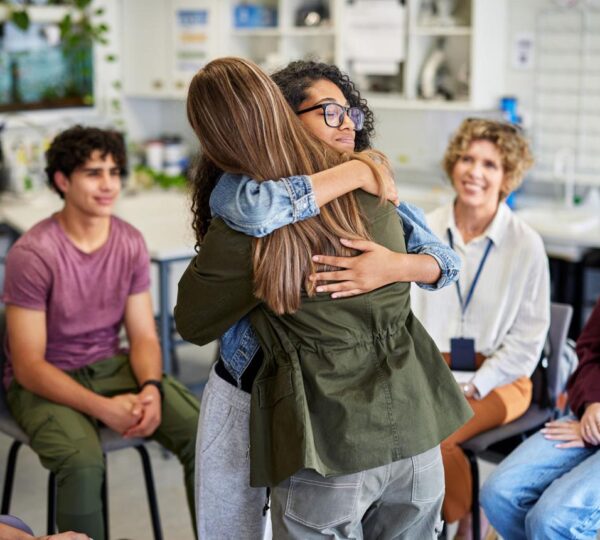
Educators carry a unique responsibility in these moments. Beyond academic instruction, they provide stability and reassurance, helping students navigate emotions that may be difficult to express or fully understand.
There are no simple explanations for events like this. Teachers and counselors often focus on creating safe environments where students can ask questions, share thoughts, or simply sit with their feelings without pressure.
For younger students, understanding may come in fragments. For older students, the awareness of what has happened can bring deeper emotional responses, requiring different forms of support and conversation.
Parents also face challenges in guiding their children through these moments. Balancing honesty with reassurance is not easy, especially when answers are still emerging and emotions are still unfolding.
Meanwhile, first responders continue their work beyond the initial scene. While training prepares them for emergencies, it does not remove the emotional weight of responding to serious incidents involving young people.
Support systems are often available for these professionals, including counseling and peer support, recognizing that processing such experiences takes time and cannot always be done immediately.
Healthcare teams caring for the injured also play a critical role. Their work involves not only physical treatment but also communication with families, helping them understand conditions, progress, and next steps.
In the days following the incident, attention remains centered on recovery. This includes the medical care of those injured, as well as emotional and psychological support for everyone affected.
Communities often come together in quiet but meaningful ways during times like this. Support may take the form of messages, gatherings, or simply being present for one another in shared understanding.
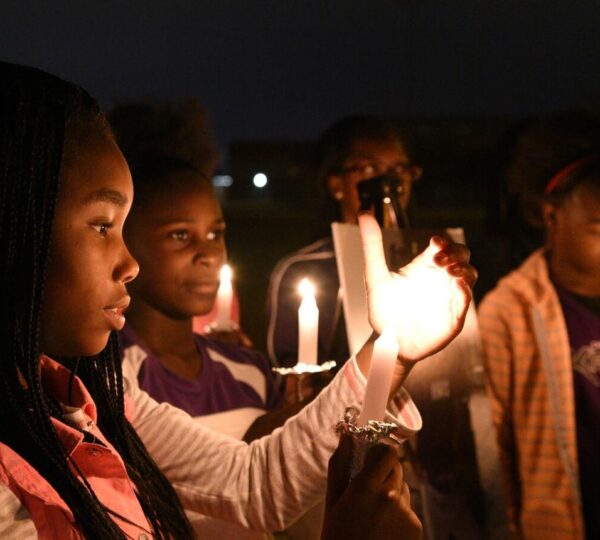
The event that was meant to inspire learning has taken on a different meaning. Instead of focusing on innovation and teamwork, attention has shifted toward care, resilience, and collective support.
Recovery is not immediate. It unfolds gradually, through consistent effort, patience, and time. Small steps—returning to routines, reconnecting with others, and processing experiences—become important markers of progress.
For students, returning to normal activities can feel both comforting and challenging. Familiar routines provide stability, yet the memory of what happened may still influence thoughts and emotions.
Schools often introduce additional resources during these times, including counselors and support programs, ensuring that students have access to help when needed.
Families adjust in their own ways, each experience shaped by individual circumstances. Some may seek conversation and connection, while others may prefer quiet reflection as they process events.
Community leaders and school officials continue to provide updates as information becomes available, maintaining transparency while ensuring that details shared are accurate and responsibly communicated.
Investigations into incidents like this require time. Authorities work carefully to determine contributing factors, focusing on facts and evidence to understand what occurred and how similar situations might be prevented in the future.
It is important that this process remains thorough and patient. Rushed conclusions can lead to misunderstanding, while careful analysis supports clarity, accountability, and informed decision-making moving forward.
As days pass, the focus gradually shifts from immediate response to longer-term recovery. This includes not only physical healing but also emotional resilience and community rebuilding.
Remembering those affected becomes part of that process. Memory, when approached with respect, can serve as a way to honor experiences without holding individuals in a place of permanent grief.
For many, the path forward involves balancing remembrance with the continuation of daily life. This balance is not fixed; it evolves as individuals and communities adapt over time.
Support networks play a crucial role in this transition. Friends, family members, educators, and professionals contribute in different ways, helping individuals feel less isolated in their experience.
Moments of reflection may arise unexpectedly—in conversations, in quiet moments, or during routine activities. These moments are part of the natural process of understanding and adjusting.
There is no single way to respond to events like this. Each person’s experience is shaped by their perspective, their connections, and their emotional framework, making flexibility in support essential.
Over time, routines begin to stabilize again. School days resume their structure, conversations shift gradually, and daily life regains a sense of continuity, even as the experience remains part of memory.
The role of community remains significant throughout this process. Shared understanding and collective care provide a foundation that supports individuals as they move forward at their own pace.
The experience also highlights the importance of preparedness, communication, and support systems, reinforcing the need for continued attention to safety and well-being in all shared environments.
While the event itself cannot be changed, the response to it shapes what comes next. Care, patience, and understanding become guiding principles for recovery and growth.
For those directly affected, the journey forward is personal and ongoing. It includes moments of difficulty as well as gradual steps toward stability, supported by the presence of others.
The meaning of that day has shifted. What began as an opportunity for exploration has become a moment that calls for reflection, compassion, and a deeper appreciation of connection.
Moving forward does not mean forgetting. It means carrying the experience with awareness, allowing it to inform actions, relationships, and the way communities support one another in times of need.
The path ahead is built through small, consistent efforts—support offered, conversations held, and routines restored. These steps, though gradual, create a foundation for healing and continued growth.
And for those moving forward, the task is not to replace what cannot be replaced, but to continue with care, respect, and understanding, allowing time and connection to guide the process ahead.