The Journey of Healing After 60: What Recovery Teaches Us Today
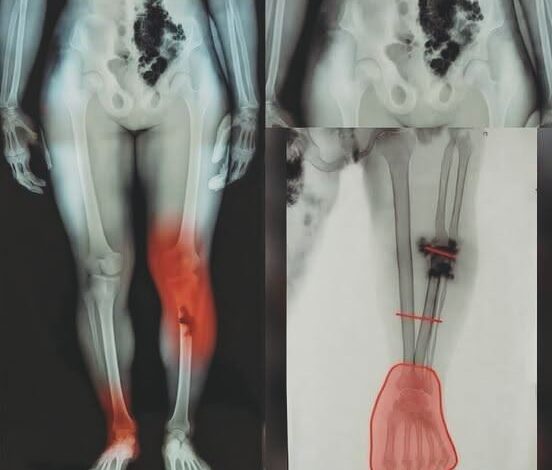
Recovery after 60 often feels different from earlier years. Tasks that once seemed effortless may now take longer.
Even after illness or surgery, energy may remain limited, and simple movements can feel unexpectedly tiring or demanding. The changes in recovery pace are rooted in normal physiology.
The body reallocates resources after stress, illness, or surgery, prioritizing repair, immune response, and energy regulation. Aging changes how efficiently these processes occur.
Healing involves far more than the absence of visible symptoms. While outward signs may fade, internal systems continue to work quietly. Tissue repair, inflammation control, and metabolic recalibration all require extended effort, often unnoticed by the individual.
The body’s energy management shifts with age. Whereas younger adults may recover quickly through rapid cellular processes, older adults’ bodies distribute resources more cautiously. This careful allocation prevents overexertion but slows visible progress.
Muscle recovery slows as well. Sarcopenia, the gradual loss of muscle mass with age, affects regeneration. Even after minor injuries, rebuilding strength requires persistent, incremental effort. Patience is essential for rebuilding functional capacity safely.
Joint recovery can feel particularly prolonged. Cartilage and connective tissues lose elasticity with age, and minor injuries may linger longer. Gentle, consistent movement supports healing, while overexertion can exacerbate discomfort or inflammation.
Lingering inflammation is a common factor. Even after illness appears resolved, low-level inflammation can persist in muscles, joints, or internal organs. It is usually part of normal recovery, signaling ongoing recalibration rather than new pathology.
Fatigue may feel disproportionate to activity levels. The body prioritizes repair, often at the expense of energy previously available for daily tasks. Short walks, light household chores, or cognitive effort may feel unusually taxing during this period.
Mental clarity may be affected temporarily. Subtle changes in focus, memory, or mood can result from extended recovery and ongoing systemic repair. These shifts usually resolve gradually as energy balance and inflammation normalize.
Sleep patterns often require adjustment. Recovery may increase the body’s demand for restorative sleep, and older adults may need longer periods of uninterrupted rest to fully support cellular repair and cognitive recovery.
Diet plays a supportive role. Nutrients essential for tissue repair—protein, vitamin C, vitamin D, zinc, and omega-3 fatty acids—help counteract age-related decline in regenerative capacity and support the body’s ongoing healing efforts.
Hydration is critical. Older adults often have reduced thirst sensation, making adequate fluid intake essential to support circulation, joint lubrication, and efficient removal of metabolic waste during recovery.
Medication and chronic conditions influence recovery speed. Hypertension, diabetes, or cardiovascular issues can extend healing timelines. Coordinating recovery plans with healthcare providers ensures safe progress and mitigates complications.
Exercise remains a cornerstone of gradual recovery. Light resistance training, walking, or stretching enhances circulation, strengthens muscles, and preserves balance. Consistency matters more than intensity during this stage of life.
Stress management supports physical recovery. Chronic stress can elevate cortisol levels, slow tissue repair, and increase systemic inflammation. Mindfulness, meditation, or breathing exercises aid recovery by modulating these physiological responses.
Recovery timelines are often nonlinear. Days of high energy may alternate with fatigue or discomfort. This fluctuation is expected and reflects the body’s prioritization of repair over immediate performance.
The cardiovascular system requires gentle recalibration. Heart rate, blood pressure, and circulation efficiency may recover more slowly with age. Monitoring exertion and pacing activities prevents setbacks while supporting functional restoration.
Respiratory recovery may also be gradual. Lung tissue elasticity declines over time, and post-illness respiratory function may require extended rehabilitation to restore full stamina and endurance.
Pain or discomfort during recovery does not always signal new injury. Muscle soreness, joint stiffness, or mild aches can be a normal part of the body’s ongoing adaptation and repair process.
Recovery goals after 60 often need recalibration. Expectations shaped by younger years may create frustration. Accepting a slower pace, incremental progress, and small achievements helps maintain motivation and supports long-term outcomes.
Consistency outweighs intensity in rehabilitation. Gentle, frequent movement, short bouts of exercise, and mindful stretching contribute more to recovery than sporadic, high-intensity efforts that may provoke setbacks.
Monitoring symptoms remains crucial. Persistent or worsening discomfort, swelling, or unusual sensations should prompt consultation with a healthcare professional, as these could indicate complications beyond normal recovery processes.
Social support enhances recovery. Family, friends, or caregivers can assist with transportation, meal preparation, and encouragement, reducing stress and allowing the recovering adult to focus on gradual healing without feeling pressured.
Cognitive engagement supports mental resilience. Reading, puzzles, or light learning exercises help maintain brain function during recovery periods, particularly when fatigue or physical limitations limit physical activity.
Balance and coordination require attention. Older adults may experience temporary declines during recovery, increasing fall risk. Gentle balance exercises and safe home environments reduce hazards while promoting functional independence.
Pain management should be approached strategically. Non-pharmacologic methods—ice, heat, gentle massage, or physical therapy—often complement medical recommendations and reduce reliance on medications that may have side effects or interactions.
Tracking recovery progress helps maintain perspective. Journaling energy levels, mobility, mood, or sleep patterns provides insight into gradual improvement, offering reassurance that even slow progress is meaningful and cumulative.
Recovery planning with healthcare providers ensures realistic timelines. Collaborative approaches, considering chronic conditions, medication schedules, and physical limitations, maximize safety, efficacy, and the likelihood of regaining full function.
Adaptation may require lifestyle changes. Nutrition, sleep, exercise, and pacing activities all contribute to sustainable recovery. Incremental adjustments support long-term health while respecting the body’s reduced regenerative speed.
Patience is essential for caregivers as well. Encouragement, understanding, and reinforcement of realistic goals promote emotional well-being for the recovering adult, reducing anxiety and fostering confidence in their capacity to heal.
Medical follow-ups are critical. Periodic evaluations ensure that recovery proceeds safely, complications are identified early, and rehabilitation protocols remain aligned with current health status.
Emotional health is integral. Slower recovery may evoke frustration, sadness, or anxiety. Recognizing these feelings as valid and addressing them proactively supports overall well-being and encourages sustained adherence to recovery plans.
Hydration, nutrition, rest, and gentle activity form the pillars of post-illness recovery. Overlooking any of these components can delay progress, while consistent attention accelerates the return to baseline function and independence.
Recovery after 60 is an ongoing, multi-layered process. Physical repair, mental adjustment, and emotional recalibration all occur simultaneously, often without immediate visible evidence, yet cumulatively restoring strength and functional capacity over time.
Understanding recovery requires patience. Expectations of quick improvement often conflict with physiological realities, but acknowledging the slower pace reduces stress, improves adherence to routines, and fosters a sense of achievement with each milestone.
Even simple tasks may initially feel taxing. Dressing, cooking, or walking short distances can require more energy than before. Recognizing these experiences as part of normal recovery, rather than a deficit, is crucial for maintaining morale.
Rehabilitation exercises tailored to individual capability maximize safety and effectiveness. Physical therapists often recommend routines adjusted for age, energy levels, and previous fitness, ensuring optimal recovery without undue strain.
Recovery often progresses in small increments. Celebrating subtle improvements—improved range of motion, reduced pain, or increased endurance—supports motivation and reinforces the body’s ongoing internal healing processes.
Sleep patterns may continue to evolve. Deep, restorative sleep becomes critical for tissue repair, hormonal regulation, and cognitive clarity. Tracking sleep quality and adjusting bedtime routines can improve recovery efficiency.
Gradual increase in activity supports functional independence. Simple walks, light resistance exercises, or mobility training strengthen muscles, joints, and cardiovascular function without triggering setbacks, fostering confidence and capability over time.
Mindfulness and relaxation techniques reduce stress-related physiological impacts. Meditation, deep breathing, and light yoga support cardiovascular function, hormonal balance, and muscle relaxation, accelerating recovery while promoting emotional stability.
Monitoring cardiovascular signs—heart rate, blood pressure, oxygen saturation—is essential. Sudden changes, especially when paired with fatigue or chest discomfort, require immediate medical attention to prevent complications during recovery.
Recovery is often non-linear. Setbacks, plateaus, or fatigue spikes do not imply failure. They represent natural fluctuations as the body balances repair, inflammation control, and energy allocation, reminding us that healing is gradual.
Hydration, nutrition, sleep, and mental health together form a recovery ecosystem. Neglecting one aspect can slow progress, while balanced attention enhances energy, tissue repair, immune function, and overall resilience.
Family and community support provide tangible and emotional benefits. Encouragement, assistance, and empathy reduce stress and create a safe environment for recovery, promoting consistency in daily activities and rehabilitation routines.
Cognitive engagement prevents mental stagnation. Reading, light problem-solving, or socially interactive activities maintain brain function and prevent isolation-related fatigue, supporting holistic recovery that integrates mind, body, and spirit.
Medication management is critical. Adjusting dosages, scheduling, and interactions with food or supplements under professional supervision ensures safety while facilitating optimal recovery and minimizing side effects.
Incremental improvements build confidence. Observing gradual progress in strength, endurance, or flexibility validates effort, reduces frustration, and demonstrates that slow recovery is still meaningful and indicative of ongoing physiological healing.
Physical therapy and gentle exercise prevent long-term functional decline. Strengthening muscles, improving balance, and maintaining joint mobility reduce the risk of falls, enhance independence, and reinforce the body’s natural recovery processes.
Recovery after 60 requires humility. Accepting temporary limitations, pacing effort, and prioritizing health over speed fosters resilience and ensures that the healing process is both sustainable and effective.
Monitoring mental health is essential. Post-illness fatigue, mood swings, or anxiety are common. Addressing emotional health with therapy, support groups, or meditation complements physical recovery and encourages overall well-being.
Sleep, nutrition, hydration, and gentle activity form the foundation of sustainable recovery. Ignoring these elements often prolongs weakness, while structured attention accelerates regaining independence and functional capacity safely.
Recovery is a continuum, not an endpoint. While visible symptoms may subside, underlying physiological repair, cognitive recalibration, and emotional processing continue, requiring time, patience, and mindful support for complete restoration.
Ultimately, recovery after 60 is slower but not less effective. The body works with deliberate intention, gradually restoring strength, balance, and energy. Patience, consistency, and holistic care allow older adults to regain independence safely.
Healing continues quietly. Muscles rebuild, inflammation subsides, energy systems recalibrate, and cognitive function stabilizes over weeks and months. Recognizing progress, however subtle, fosters confidence and reinforces the value of steady, intentional effort.
Recovery timelines differ for every individual. Genetics, prior fitness, chronic conditions, and lifestyle influence how quickly strength, endurance, and stamina return, emphasizing personalized strategies over universal expectations.
Small, deliberate steps often produce lasting results. Daily walks, light stretching, or functional exercises create cumulative gains that enhance mobility, reduce fatigue, and improve independence over time, demonstrating the body’s remarkable capacity to adapt.
Recovery after 60 is a multidimensional journey. Physical repair, cognitive recalibration, and emotional stabilization all intersect. Supporting each dimension ensures that progress is sustainable, meaningful, and integrated into daily life and long-term health.
Recognizing achievements, however minor, reinforces positive momentum. Each regained function, reduced pain episode, or improved endurance validates effort, encourages consistency, and highlights that slower recovery is still genuine progress.
Recovery is enhanced by attention, not force. Pushing too hard too soon may backfire, whereas deliberate, mindful engagement with daily activity allows the body to complete its healing processes without unnecessary stress or setback.