Pawn Stars’ Chumlee Faces High-Stakes Decision After Shocking Legal Twist
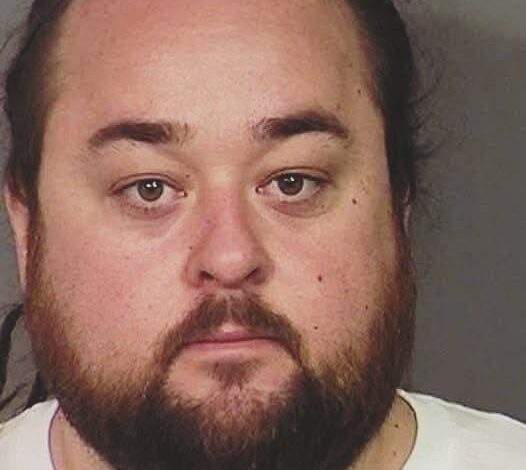
For years, Austin Lee Russell—better known to millions as Austin “Chumlee” Russell—was the undisputed king of comic relief on the History Channel’s hit series Pawn Stars.
Set against the cluttered counters of the Gold & Silver Pawn Shop in Las Vegas, his persona was that of the lovable underdog, the man who could spot hidden gems in a pile of junk.
On screen, Chumlee often found himself the butt of playful jokes from co‑star and reality television legend Rick Harrison, yet fans adored his quirky humor and authentic enthusiasm for collectibles.
But when the cameras stopped rolling, the world discovered a much more serious chapter unfolding off screen—one that no reality television producer could have guessed or scripted.
The “value” of this latest deal isn’t measured in vintage coins, rare collectibles, or historic memorabilia. Instead, it is measured in years of freedom, personal accountability, and the challenging road ahead.
In March 2016, Las Vegas Metropolitan Police served a warrant at Chumlee’s southwest Las Vegas home as part of an investigation into alleged sexual assault.
During the search, officers found a quantity of illegal substances including methamphetamine, marijuana, and prescription medication Xanax, along with multiple firearms—some unregistered—inside the property.
Russell was arrested and taken into custody, booked on drug and weapon charges related to those discoveries. He was released on bond shortly afterward and ordered to appear in court.
Initial reports indicated he faced numerous counts, including possible felony weapons and multiple drug‑possession charges stemming from those items found in his home.
At first glance, it appeared to be open‑and‑shut: drugs and guns discovered during a raid could lead to serious prison time for any defendant, let alone a public figure.
Facing multiple felonies, Chumlee’s legal team negotiated with prosecutors to reach a plea deal that would allow him to avoid incarceration if he complied with strict conditions.
In the summer of 2016, Russell pled guilty to two core charges: unlawful possession of a firearm and attempted possession of a controlled substance, as outlined in the court record.
Under the plea agreement, the harsher felony charges would be suspended, and Russell would instead serve three years of probation, including counseling and mandated treatment.
He was ordered to stay out of legal trouble and fully comply with probation conditions until roughly 2019, at which point the felony charge could be dismissed entirely.
If successfully completed, the plea deal would leave Russell with only a misdemeanor conviction on his record—a significantly lesser outcome than the potential years in prison he once faced.
However, the agreement came with a strict warning: any violation of probation terms, failed drug tests, or new legal infractions could trigger reinstatement of the original felony weapons charge.
That felony weapons charge carries a possible prison sentence of two to five years under Nevada law, meaning strict compliance was essential for Russell’s continued freedom.
For Chumlee, who built a career around second chances and humorous misadventures, the gravity of this legal moment was profoundly serious—far removed from the lighthearted banter of Pawn Stars.
In the pawn world, an item’s worth is often judged by its history, condition, and value to collectors. In real life, Russell was suddenly forced to assess his own history and decide what condition he wanted his future to be in.
To critics, the plea deal represented both mercy and risk: leniency through probation and counseling, but with life‑altering consequences hanging over his head if terms were broken.
For a public figure under constant scrutiny, the spotlight on his legal battle offered a stark contrast to the entertainment viewers were accustomed to seeing on television.
The case also exposed a side of reality television life far removed from pawn shop antics: struggles with substance use, personal choices, and the very real consequences that accompany them.
What unfolded in court was not a scripted negotiation over antiques, but a legal negotiation that involved his freedom, reputation, and life trajectory—stakes far higher than any collectible item.
Mandatory counseling and probation were designed to address behavior that led to the raid, providing an opportunity for rehabilitation and personal reform outside of incarceration.
The treatment component, including counseling and behavior monitoring, required Russell to adopt discipline and self‑reflection skills that had rarely been showcased on camera during his television career.
As he prepared to formally enter his plea, the Chumlee brand stood at a major crossroads—between a cautionary tale and a potential redemption story for public figures struggling outside the glare of reality television.
Would he be remembered as the star who gambled his freedom and lost, or as someone who used this chance to transform and rebuild his life away from the spotlight?
In Las Vegas’s high‑stakes legal system, the metaphor of the pawn shop still applied: every choice comes with risk, and sometimes the house has a decisive edge.
For Russell, the plea deal was the only “buy‑in” left on the table—a negotiation that could either preserve his freedom or, if broken, send him to prison on reinstated felony charges.
This chapter in his life reminded fans that reality stars are real people whose lives off screen can involve complex legal and personal challenges beyond their television personas.
Moreover, it illustrates the balance between accountability and opportunity for change within the American legal system, where plea agreements can offer rehabilitation instead of incarceration.
For many who followed his career, the case served as a sobering reminder that celebrity does not exempt anyone from legal consequences or the need for personal responsibility.
Though no longer the comic foil alone, Russell’s real‑world narrative continues to unfold as an example of how high profile individuals face personal challenges and the impact of public scrutiny.
If successfully completed, the probationary period would allow him to move forward with his life, leaving behind a misdemeanor and valuable lessons learned along the way.
Fans and observers alike have since reflected on the incident, with many noting that behind the laughter and on‑screen persona was a real person navigating very real consequences.
Today, Chumlee continues to work, create content, and engage with fans, often sharing reflections on personal growth and change, while his fans remain invested in his journey beyond television.
His story remains a potent example of how public figures deal with personal crises, legal processes, and the challenges of turning a difficult experience into meaningful change.
The Pawn Stars series continues to air reruns and remains a cultural touchstone, yet the real lives of its cast—including the lessons from incidents like Chumlee’s legal battle—add depth to the show’s legacy.
In the end, the ultimate “deal” in this real‑life drama isn’t measured in dollars, antiques, or rare collectibles; it’s measured in personal growth, responsibility, and the years ahead that he still has a chance to shape.