THE HIDDEN TRUTH ABOUT THE SHRIMP VEIN AND WHY YOU NEED TO KNOW WHAT YOU ARE REALLY EATING BEFORE YOUR NEXT SEAFOOD DINNER
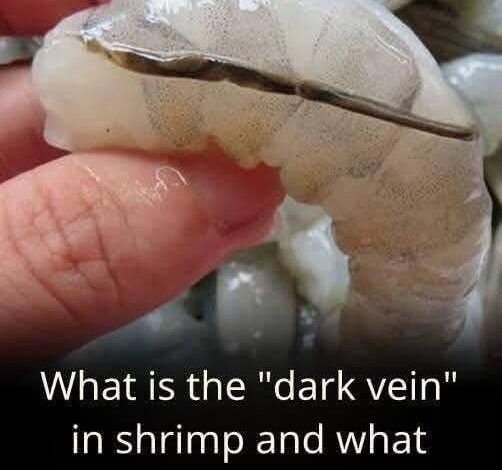
The world of culinary preparation is filled with myths, traditions, and mysterious techniques that often leave the average home cook feeling a quiet sense of uncertainty in the kitchen. Among the most frequently debated and misunderstood topics is the thin, dark line that runs along the curved back of a shrimp. Commonly referred to as the “vein,” this feature has sparked countless kitchen debates and even supported a small industry of specialized tools designed for its removal. Yet for many home cooks, the true nature of this feature remains unclear. Understanding what it actually is, why it exists, and whether it poses any health concerns is the first step toward greater confidence in seafood preparation.
To clarify the misconception at the center of this debate, it is important to note that the shrimp “vein” is not actually a vein at all. Despite the name, it is not part of the circulatory system. Instead, it is the shrimp’s digestive tract—a narrow tube that carries waste and partially digested material through the body. Shrimp are bottom-dwelling crustaceans that feed on organic debris such as plankton, algae, and microscopic particles from the ocean floor. As a result, the contents of this digestive tract can sometimes reflect what the shrimp has consumed. The term “vein” likely persists because of its appearance and location, but biologically, it is more accurately described as an intestinal tract.
One of the most common concerns is whether eating this tract is unsafe. From a food safety perspective, properly cooked shrimp pose no known health risk whether the tract is removed or not. High cooking temperatures used in boiling, grilling, sautéing, or frying are sufficient to eliminate harmful bacteria that may be present. In that sense, leaving it in does not make the shrimp dangerous to eat. However, the decision to remove it is less about safety and more about quality—specifically texture, taste, and presentation.
The main reason chefs and experienced cooks often choose to devein shrimp is texture. Because the digestive tract may contain fine particles of sediment, it can sometimes produce a gritty or sandy sensation when eaten, particularly in larger shrimp. This can interfere with the otherwise tender texture that makes shrimp appealing. In addition, the contents of the tract may occasionally contribute a slightly bitter or earthy note that can dull the natural sweetness and briny flavor of the seafood. Removing it helps ensure a cleaner, more refined eating experience.
Appearance also plays a significant role, especially in more formal or visually focused dishes. A dark line running through translucent shrimp can appear unappealing and may suggest a lack of careful preparation. In dishes where shrimp are featured prominently—such as shrimp cocktail, scampi, or grilled presentations—removing the tract creates a more polished and appetizing appearance. It allows the natural color and form of the shrimp to stand out without visual distraction.
That said, deveining is not an absolute requirement in every culinary context. For very small shrimp, often used in soups, stews, or mixed dishes, the tract is usually too small to notice in either texture or taste. In such cases, the effort required to remove it may not meaningfully improve the final dish. In many culinary traditions around the world, shrimp are even prepared and consumed whole, without any emphasis on removing the digestive tract at all.
For home cooks, the practical approach is to treat deveining as a matter of context rather than obligation. When preparing large shrimp for dishes where they are the centerpiece, removing the tract is generally worthwhile for optimal texture and presentation. When using smaller shrimp in heavily seasoned or mixed preparations, it can reasonably be left in without affecting food safety or overall enjoyment.
Ultimately, understanding what the shrimp “vein” actually is transforms it from a source of confusion into a simple culinary choice. It is not a hidden danger, nor is it a strict rule of preparation, but rather a detail that can be managed based on preference and circumstance. With that knowledge, cooks can approach shrimp preparation with greater confidence, making informed decisions that suit both the dish and their own standards of quality.