The Secret Garden Weapon Hiding in Your Kitchen Trash and Why Professional Gardeners Never Throw Eggshells Away
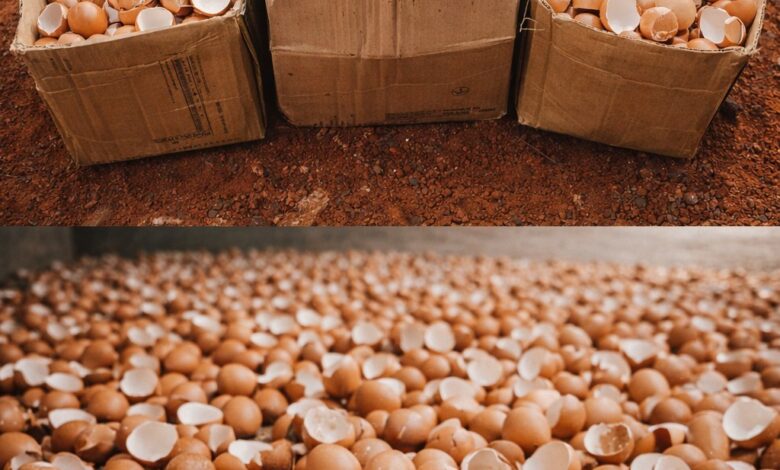
In the modern kitchen, the humble egg is a staple of breakfast, baking, and quick dinners, cherished for its protein and versatility. Yet, for decades, we have been conditioned to view the shell as nothing more than brittle, messy waste. We crack the egg, empty its contents into a bowl, and reflexively toss the remains into the garbage, never realizing that we are discarding one of the most powerful and multi-functional tools available to any homeowner. The transition toward a more sustainable and eco-friendly lifestyle has recently brought an old secret back into the limelight: the eggshell is not trash, but a biological powerhouse that can transform your garden, protect your plants, and even invite wildlife into your backyard. By understanding the seven revolutionary ways to repurpose this kitchen byproduct, you can turn a supposed waste item into a cornerstone of your gardening strategy.
One of the most immediate and physical benefits of using eggshells is their ability to act as a natural pest deterrent. For anyone who has poured their heart and soul into a flower bed only to find it decimated by slugs, snails, or soft-bodied worms, the frustration is immense. Chemical pesticides are often harsh and can harm beneficial insects or the very soil you are trying to protect. Eggshells offer a mechanical solution that is as effective as it is simple. When crushed into jagged, coarse pieces and scattered in a defensive perimeter around the base of your vulnerable plants, they create a treacherous terrain. For a slug or a snail, crossing a field of sharp, calcified shards is a daunting and uncomfortable task. They will almost always choose the path of least resistance, leaving your hostas and marigolds untouched in favor of easier targets. It is a brilliant, zero-cost way to maintain a pristine garden without resorting to toxins.
The protection offered by eggshells extends beyond the tiny crawlers at your feet and reaches up to the larger mammals that might view your landscaping as an all-you-can-eat buffet. Those who live near wooded areas or on the edges of suburban sprawls know the headache that comes with hungry deer. These majestic animals can clear a row of ornamental shrubs or a vegetable patch in a single night. Surprisingly, the solution lies in the scent of the shell. Deer have an incredibly sensitive sense of smell, and they find the residual odor of eggshells to be quite repulsive. By strategically sprinkling crushed shells around the perimeter of your garden or at the base of deer-favored plants, you create a scent barrier that signals to these grazers that this is not a hospitable place to dine. It is a gentle yet firm way to keep the local wildlife at a respectful distance from your prize-winning hydrangeas.
While eggshells work to keep certain animals away, they are also a powerful magnet for the visitors you actually want to encourage. Birds are an essential component of a healthy ecosystem; they provide a natural soundtrack to your morning and serve as a biological control for flies, mosquitoes, and other irritating insects. What many bird enthusiasts do not realize is that female birds require an enormous amount of calcium to produce their own eggs. Providing them with crushed, sterilized eggshells is a fantastic way to support their health. By sprinkling these mineral-rich fragments on a bird table or in an open area of the garden, you provide a necessary dietary supplement that helps them thrive. Watching a variety of feathered friends flock to your yard to indulge in this treat is a rewarding experience that connects your kitchen habits directly to the local wildlife.
The true magic of the eggshell, however, is happening beneath the surface of the soil. Eggshells are composed primarily of calcium carbonate, alongside traces of other vital minerals that act as a slow-release fertilizer. In a world where soil can often become depleted of nutrients due to over-planting or poor drainage, eggshells offer an organic way to boost your soil’s health. As the shells break down over time, they infuse the earth with the calcium required for cell wall development in plants. This results in sturdier stalks, deeper root systems, and a more robust resistance to environmental stressors. It is a long-term investment in the fertility of your land, ensuring that each growing season is more successful than the last.
This mineral boost is particularly crucial for those who enjoy growing their own food. Gardeners who specialize in nightshades—such as tomatoes, eggplants, and peppers—often encounter a heartbreaking condition known as blossom-end rot. This occurs when the fruit develops a sunken, black, leathery patch on the bottom, rendering it inedible. This is not caused by a fungus or a bug, but by a simple lack of calcium. By burying crushed eggshells directly into the planting hole or mixing them into the soil around the base of these specific vegetables, you provide a steady supply of the one nutrient they need most. This simple preventative measure ensures that your harvest remains plump, vibrant, and full of the flavor you expect from home-grown produce.
Furthermore, eggshells play a vital role in managing the chemistry of your garden. Many plants struggle to grow in soil that has become too acidic, which can happen over time due to certain fertilizers or high rainfall. Because eggshells are alkaline, they act as a natural pH balancer. When buried in the earth, they help to neutralize excess acidity, creating a more balanced and favorable environment for a wide variety of flora to flourish. Instead of purchasing expensive chemical lime to adjust your soil, you can simply save your breakfast remains and let nature do the work for you. It is a testament to the fact that the most effective solutions are often the ones that have been right in front of us all along.
Finally, the most holistic way to utilize eggshells is through the process of composting. A healthy compost pile requires a diverse mix of materials to create the “black gold” that gardeners crave. Crushed eggshells are a fantastic addition because they provide the structural grit that helps aerate the pile while adding that essential calcium kick to the finished product. By composting your shells, you ensure that none of the biological value of the egg goes to waste, closing the loop of your household’s consumption. It is a small but significant step toward an eco-friendly lifestyle that reduces landfill waste and enriches the earth.
The next time you reach for a carton of eggs, take a moment to appreciate the incredible potential held within those thin, white walls. They are protectors, providers, and healers of the land. By shifting your perspective and seeing the eggshell as a resource rather than a remnant, you unlock a hidden treasury of gardening benefits. Your soil will be richer, your plants will be safer, and your backyard will be a sanctuary for life, all because you decided to stop throwing away the most valuable thing in your kitchen trash.