The Story Behind Johnny Angel and Why Shelley Fabares Walked Away from Music
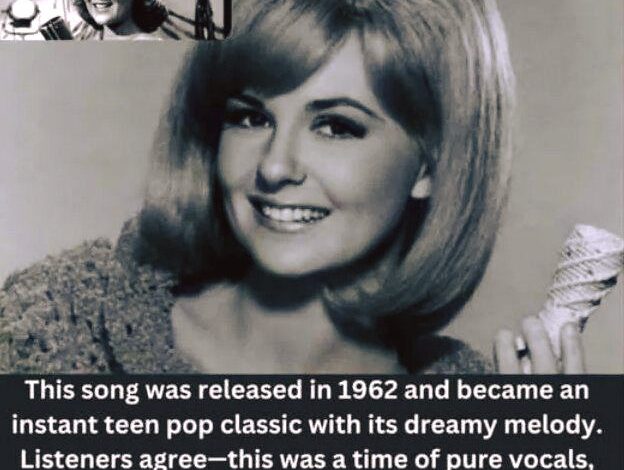
In the early 1960s, American popular music was going through a quiet but powerful transformation. The energy of the previous decade was softening into something more emotional, more personal, and deeply connected to teenage life. Songs began focusing less on spectacle and more on feelings—especially love, longing, and identity. This shift created a space where softer voices and relatable stories could thrive. It was within this moment that a unique kind of star began to emerge.
During this same era, Shelley Fabares was already becoming a familiar face in American households. Known for her role as Mary Stone on The Donna Reed Show, she represented a wholesome, relatable image that audiences trusted. Her presence on television made her feel like part of the family for many viewers. This connection would later play a key role in her unexpected musical success.
Born in Santa Monica, California, Fabares grew up surrounded by the influence of Hollywood. Being close to the entertainment industry meant she was exposed early to acting, performance, and the behind-the-scenes world of television. It wasn’t something she aggressively pursued at first—it simply became part of her environment. Over time, that exposure naturally turned into opportunity.
Her early acting career helped shape a very specific public image. She was seen as sincere, kind, and approachable—qualities that aligned perfectly with the tone of family television at the time. This image wasn’t manufactured; it felt genuine to audiences. And in an era where authenticity mattered, that made a difference.
At the time, it was common for actors to cross into music. The entertainment industry often encouraged multi-talented careers, especially for rising stars. Record labels saw familiar faces as a safe investment, assuming their popularity would translate into music sales. This environment opened the door for Fabares to step into a recording studio.
Her move into music wasn’t driven by a lifelong ambition to become a singer. Instead, it was more of an opportunity that presented itself at the right moment. The industry believed she could succeed—and they were right. What followed was something few could have predicted.
In 1962, she released Johnny Angel. The song quickly stood out among other releases of the time. It had a gentle melody, a dreamy tone, and a message that resonated deeply with young listeners. Almost instantly, it began gaining traction.
The song captured a very specific emotional experience—quiet admiration. It wasn’t about dramatic love stories or heartbreak. Instead, it focused on the simple feeling of liking someone from afar. That subtle emotional honesty made it incredibly relatable.
For teenagers in the early 1960s, communication looked very different from today. There were no instant messages or social media platforms. Feelings were often unspoken, carried through glances, imagination, or music. Songs like “Johnny Angel” became a voice for emotions people didn’t know how to express.
The production of the track also played a major role in its success. Backed by professional studio musicians and carefully arranged vocals, the song had a polished yet soft sound. Nothing felt overwhelming. Everything supported Fabares’ gentle voice.
Her vocal performance wasn’t powerful in the traditional sense. Instead, it was sincere. That sincerity made listeners feel like she was telling their story. It created an emotional connection that went beyond technical skill.
Soon after its release, the song climbed the charts. It eventually reached number one on the Billboard Hot 100. This achievement turned Fabares into a music sensation almost overnight. It was a moment that defined her place in pop culture history.
The success wasn’t limited to the United States. The song gained popularity internationally, showing how American pop music was beginning to spread globally. Youth culture was becoming more connected, and music was leading that movement.
Despite this massive success, her music career didn’t fully take over her identity. Acting remained her primary focus. Music was something she explored—but it was never the center of her long-term vision.
A follow-up song, “Johnny Loves Me,” was released to build on the momentum. While it performed reasonably well, it didn’t match the impact of her first hit. This highlighted how unpredictable the music industry could be.
Many artists of that era faced the same challenge. One hit could define a career, but repeating that success was difficult. Trends were changing quickly, and audiences were constantly looking for something new.
As the 1960s moved forward, the music landscape began to shift dramatically. The arrival of bands from the British Invasion introduced a louder, more energetic sound. This new style started replacing the softer pop songs of the early decade.
With these changes, the type of music that made “Johnny Angel” successful began to fade from mainstream popularity. The industry was evolving, and artists had to adapt or move on.
Fabares made a practical and strategic decision. Instead of trying to compete in a changing music scene, she chose to return her focus to acting. It was a space where she already had stability and recognition.
Her transition back into acting was smooth. She continued to build her career without the pressure of maintaining a music persona. This decision allowed her to grow in a more sustainable way.
One of her notable achievements included working alongside Elvis Presley in several films. These collaborations expanded her visibility and introduced her to broader audiences. It showed her versatility as a performer.
Over time, she became known for roles in television series like One Day at a Time and Coach. These roles helped her remain relevant across different generations. Her career evolved, but her presence remained consistent.
Even though her time in music was brief, the impact of “Johnny Angel” never disappeared. The song continued to appear in nostalgic playlists, films, and retrospectives. It became a symbol of its era.
Music historians often point to the song as a perfect example of early 1960s teen pop. It emphasized storytelling, emotion, and simplicity. Those elements made it timeless.
The song’s lasting appeal comes from its honesty. It captures a universal feeling—the quiet hope of being noticed by someone you admire. That emotion doesn’t fade with time.
Today, Shelley Fabares is remembered not just for one hit song, but for a career that adapted and endured. Her decision to step away from music wasn’t a failure—it was a choice. And in many ways, it’s what allowed her legacy to last.