SHOCKING SUPERMARKET SECRETS EXPOSED THE HIDDEN TRUTH BEHIND YOUR DINNER THAT BIG GROCERY STORES DONT WANT YOU TO SEE
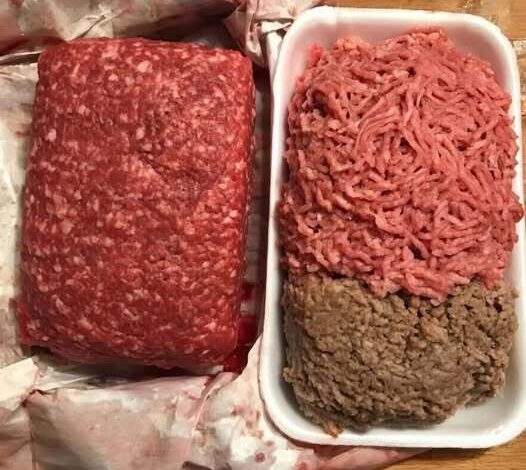
The modern supermarket is a marvel of convenience and visual perfection. We walk through aisles of climate-controlled corridors, greeted by vibrant produce and meticulously stacked boxes, trusting that the systems in place are designed for our benefit. Perhaps nowhere is this trust more vital than at the meat counter. When a shopper picks up a plastic-wrapped tray of ribeye or a package of lean ground beef, there is a silent contract being signed. The consumer pays a premium price for the promise of a specific grade, a certain origin, and a reliable culinary outcome. However, a growing wave of dissatisfaction among household cooks suggests that this contract is being quietly broken. Recent investigations into the meat supply chain have pulled back the curtain on a series of industry maneuvers that prioritize profit margins over product integrity, leaving many to wonder what exactly is ending up on their dinner plates.
For months, whispers of declining quality have circulated through digital community boards and neighborhood social circles. Home chefs, who have prepared the same family recipes for decades, began noticing that their steaks were leaching an unusual amount of water in the pan, resulting in a boiled texture rather than a flavorful sear. Others reported that cuts labeled as high-end choice or prime felt uncharacteristically tough or possessed a “woody” consistency. Initially, these instances were dismissed as fluke purchases or errors in home preparation. But as the complaints grew in volume, it became clear that the issue was systemic rather than incidental. People were no longer just complaining about a bad steak; they were describing a fundamental shift in the nature of the meat they were buying.
This prompted an independent food-testing collective to launch a deep-dive audit of meat products sourced from several major national retailers. While the public often fears bacterial contamination or health hazards, the findings of this group revealed a different kind of deception. The meat was technically safe to consume according to federal health guidelines, meaning it lacked the pathogens that cause immediate illness. However, the testing uncovered a widespread practice of “grade-blending.” In this process, lower-grade cuts from older cattle or less desirable breeds are surreptitiously mixed with higher-grade inventory. Because the final product is ground or sliced in a way that mimics the appearance of premium cuts, the average shopper is unable to tell the difference until the meat hits the heat of the stove.
The investigation further highlighted the complexity of the modern distributor network. Many packages labeled under a single store brand actually contained a mosaic of meat sourced from multiple different processing plants, sometimes even from different countries, without clear disclosure. This lack of transparency is often a result of distributors trying to smooth out supply chain gaps or reduce costs by averaging the quality of their stock. By combining high-quality loins with cheaper trimmings, suppliers can maintain a consistent visual “look” while significantly diluting the actual eating experience. For the consumer, this translates to a loss of value. You are essentially paying the price of a luxury goods item for a product that has been “padded” with industrial-grade fillers.
One of the most frustrating discoveries involved the use of “moisture enhancement” or “plumping.” While this isn’t a new tactic, its prevalence has reached staggering levels. Large-scale processors often inject meat with a solution of water, salt, and phosphates. On the surface, this is marketed as a way to keep the meat “juicy,” but in reality, it serves two darker purposes. First, it increases the weight of the meat, allowing stores to charge more for a product that is effectively diluted. Second, it masks the toughness of lower-quality fibers. When you cook this meat, the water evaporates or leaks out, leaving behind a shrunken, rubbery piece of protein that lacks the natural fats and marbling that define a truly good cut. It is a psychological trick played on the eyes and the wallet, only revealed during the cooking process.
The emotional fallout of these findings cannot be understated. For many families, meat is the most expensive item in the grocery cart. In an era of rising inflation and tightening budgets, the discovery that one is being overcharged for a subpar product feels like a personal betrayal. Food is not just fuel; it is a central component of family bonding and cultural tradition. When a Sunday roast fails to tenderize or a celebratory meal is ruined by poor-quality ingredients, the frustration goes beyond the kitchen. It erodes the foundational trust that allows the massive infrastructure of the modern supermarket to function. If we cannot trust the labels on the food we feed our children, the entire retail relationship begins to crumble.
In light of these revelations, consumer advocacy groups are sounding the alarm and providing strategies for shoppers to reclaim their power. The first step is a radical shift in how we read labels. “Product of the USA” can sometimes be misleading, as it previously applied to meat that was simply processed or packaged domestically, regardless of where the animal was raised. Looking for specific certifications like “Single Source” or “Grown and Processed” by a specific farm can offer a higher level of accountability. Furthermore, shoppers are being encouraged to look for “dry-aged” or “non-enhanced” terminology to avoid paying for injected salt water.
The most effective solution, however, remains a return to localized food systems. Independent butchers and local farm-to-table cooperatives operate on a model of transparency that massive conglomerates cannot match. When you buy from a local butcher, the supply chain is often shortened from thousands of miles down to dozens. You can ask about the specific farm, the age of the animal, and the methods used for processing. While the price point at a boutique butcher may be slightly higher, the value—measured in flavor, nutritional density, and the absence of hidden additives—is significantly greater. It is a shift from buying “commoditized protein” back to buying actual food.
The supermarket industry is not blind to this growing dissatisfaction. In the wake of these reports, several major chains have announced internal audits of their third-party suppliers. Regulators are also facing pressure to tighten labeling requirements to ensure that “blended” products are clearly marked as such. The goal is to move toward a more honest marketplace where the consumer’s expectations align with the reality of the package. Until these changes become standard, the burden of vigilance remains with the shopper. We must become more than just passive consumers; we must be informed critics of the systems that feed us. The next time you stand before the glowing lights of the meat case, remember that the most beautiful package isn’t always the best choice. Understanding the hidden mechanics of the food industry is the only way to ensure that your next meal is exactly what you paid for.