Democrats File Bill Related to the 25th Amendment and President Trump
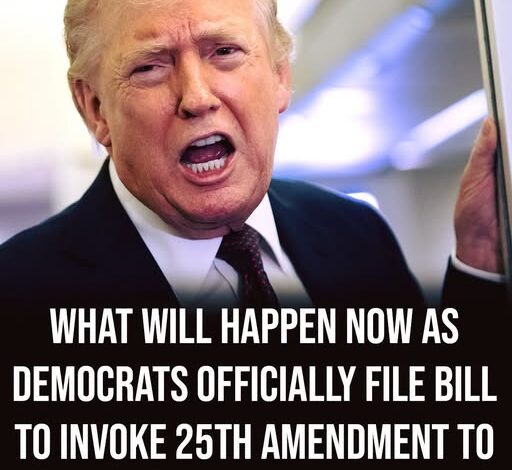
House Democrats have recently introduced new legislation aimed at creating a formal and structured process to evaluate the fitness of a sitting U.S. president to carry out official duties under the Constitution.
The proposal has drawn significant attention in Washington, as it relates directly to the 25th Amendment, which outlines procedures for presidential succession and incapacity in cases where a president is unable to perform required responsibilities.
According to the legislation, the goal is not immediate removal of any specific president, but rather the establishment of an independent framework to assess presidential capacity when serious concerns are raised.
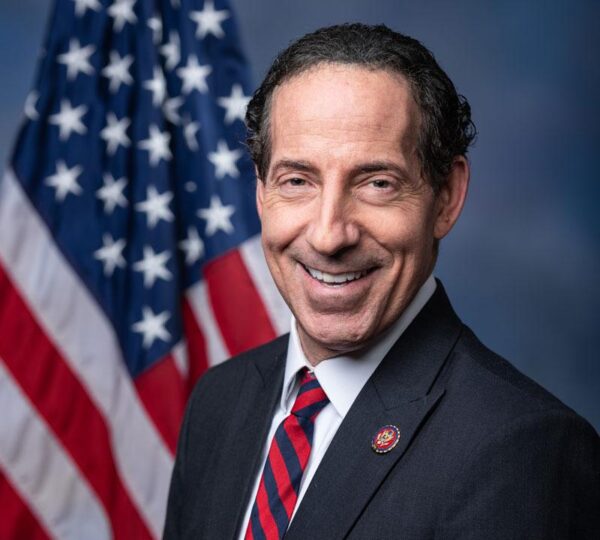
The initiative has been associated with Representative Jamie Raskin and other Democratic lawmakers who argue that clearer mechanisms are needed to evaluate presidential fitness in extreme or uncertain situations.
The bill currently includes approximately 50 Democratic co-sponsors, reflecting a level of internal party support, though it remains far from bipartisan agreement in Congress.
Under the proposed legislation, a 17-member bipartisan commission would be created to review concerns related to a president’s physical or psychological ability to serve effectively.
This commission would consist of former high-ranking officials appointed by congressional leadership from both major political parties in order to ensure balance and independence.
The structure is intended to reduce partisan influence by including experienced individuals who are no longer serving in active government roles.
The commission would be authorized to assess whether a president is “mentally or physically unable to discharge the powers and duties of the office,” based on established medical or professional evaluations.
In certain circumstances, the commission could recommend a comprehensive medical or cognitive examination if credible concerns about presidential capacity are formally presented.
Supporters of the proposal argue that such a system would provide a more organized and transparent process for addressing questions of presidential fitness under the 25th Amendment.
Representative Jamie Raskin, who introduced the bill, has stated that the intent is to protect constitutional stability and ensure accountability at the highest level of government.
He has publicly expressed concern about what he describes as declining public trust in presidential decision-making and the overall stability of executive leadership.
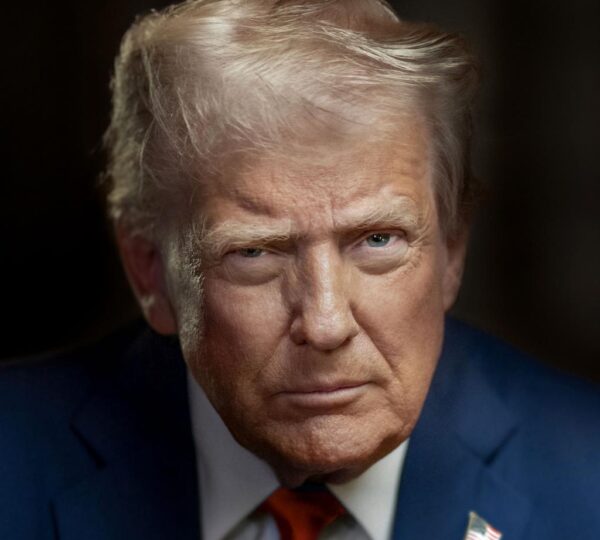
Raskin has pointed to several controversial statements and actions by President Donald Trump as contributing factors in the broader debate over presidential fitness.
Among the examples he referenced were comments related to international conflicts, including tensions involving Iran and the wider Middle East region.
He also criticized statements that he described as inflammatory or inconsistent with traditional diplomatic norms, arguing that such rhetoric could contribute to global instability.
In addition, Raskin referred to a controversial social media post that appeared to depict the president in a religious context, which sparked debate and criticism from various political observers.
The combination of these incidents has been cited by supporters of the bill as justification for creating a formal review mechanism under the 25th Amendment framework.
Raskin stated that Congress has a constitutional responsibility to ensure that mechanisms exist to respond to potential presidential incapacity in a structured and lawful manner.
He also argued that national security considerations should be part of any discussion regarding the ability of a president to perform executive duties effectively.
The proposal comes at a time of heightened political division in the United States, with strong disagreements between Democrats and Republicans over presidential conduct and authority.
Nearly 100 Democratic lawmakers have reportedly expressed support for invoking the 25th Amendment in relation to President Trump, according to public statements and media reports.
These calls have followed controversial remarks made by the president regarding international conflicts, including warnings about possible consequences if certain geopolitical conditions were not met.
Some of these statements have been interpreted differently across political lines, contributing to ongoing debate about executive communication style and foreign policy messaging.
The legislative proposal itself does not directly invoke the 25th Amendment, but instead seeks to create a process that could inform future decisions related to it.
Under the Constitution, the 25th Amendment requires the vice president and a majority of cabinet members to agree before a president can be removed due to incapacity.
This high threshold makes actual removal under the amendment extremely rare and politically complex, requiring broad executive agreement.
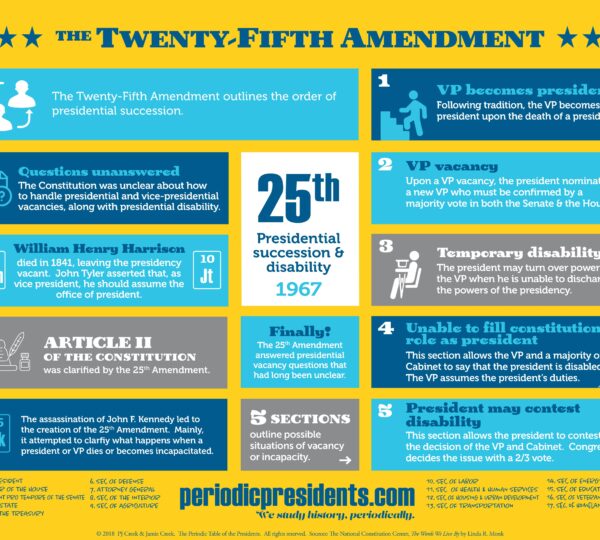
Even if the proposed commission were established, its recommendations would not automatically trigger removal but would instead serve as advisory findings.
Any final decision under the 25th Amendment would still depend on constitutional procedures involving the vice president and cabinet officials.
Because of these requirements, legal and political analysts widely consider the actual removal of a sitting president through this process to be highly unlikely.
Republican lawmakers are expected to strongly oppose the legislation, particularly given the current balance of power in Congress.
With Republicans controlling key legislative positions, the bill faces significant procedural and political obstacles before it could advance to a final vote.
Opponents argue that the proposal is politically motivated and could set a precedent for using medical or psychological assessments in partisan disputes.
The White House has also responded strongly to the proposal, rejecting claims about presidential incapacity and defending President Trump’s performance in office.
A spokesperson for the administration criticized Representative Raskin’s comments, describing them as politically driven and sharply disputing allegations regarding mental fitness.
The statement also referenced comparisons with previous administrations, arguing that concerns about cognitive health have been inconsistently applied in political debates.
The administration emphasized that President Trump remains active, engaged, and fully capable of fulfilling his constitutional responsibilities.
Supporters of the president have similarly rejected the proposal, characterizing it as an attempt to undermine his authority through legislative means.
They argue that political disagreement should be addressed through elections rather than through commission-based assessments of fitness for office.
At the same time, supporters of the bill maintain that the intent is not political removal but institutional preparedness in rare and serious situations.
They argue that the United States should have clearer procedures in place to address potential incapacity at the highest level of government leadership.
The discussion has contributed to broader national debate about presidential power, accountability, and the balance between political judgment and constitutional safeguards.
Legal experts note that while the 25th Amendment provides a mechanism for addressing incapacity, it was designed for extraordinary circumstances rather than routine political disagreement.
Historically, the amendment has rarely been invoked in contested political environments, and its use remains highly sensitive.
As the debate continues, the proposed legislation is expected to face lengthy discussions in congressional committees before any further progress can be made.
Given the current political composition of Congress, most analysts believe the bill has a limited chance of becoming law in its present form.
Nevertheless, the proposal has already intensified discussions about presidential health, transparency, and the mechanisms available under the U.S. Constitution.
The broader issue remains part of ongoing political tension in Washington, where debates over executive authority continue to shape legislative priorities and public discourse.
At this stage, the proposal remains in its early legislative phase, with its future dependent on further debate, committee review, and political negotiation.