Georg Stanford Brown and Tyne Daly Raised Three Children Despite Controversy Surrounding Their Early Marriage — See Them Today

The story of Georg Stanford Brown and Tyne Daly is often highlighted in discussions about Hollywood history, representation, and changing social attitudes toward interracial relationships in the United States during the 1960s and beyond.
Their relationship became publicly known during a period when interracial marriage had only recently been legalized nationwide in the United States following the 1967 Supreme Court decision in Loving v. Virginia, which struck down remaining state bans.
Georg Stanford Brown and Tyne Daly met in the mid-1960s while studying at the American Musical and Dramatic Academy in New York, where both were developing their acting careers and artistic training.
According to interviews, their connection formed quickly, and they began a relationship that later led to marriage in 1966, during a time when interracial relationships still faced significant social stigma in many parts of the country.
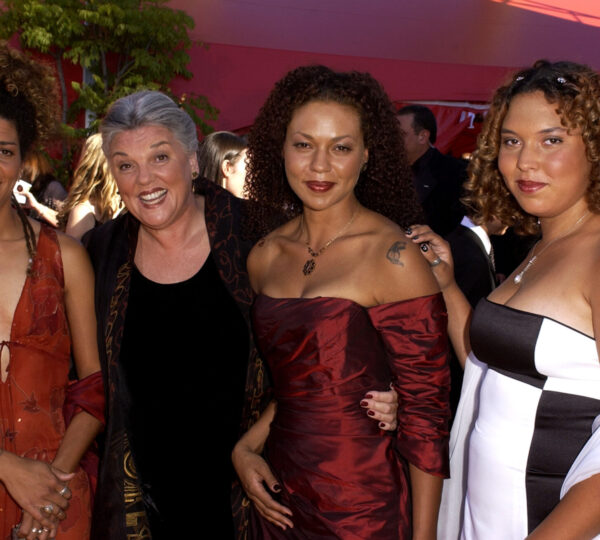
Their marriage took place shortly before the landmark Supreme Court ruling, meaning they lived through a period of significant legal and cultural transition in the United States regarding interracial unions.
Despite public attention and societal pressures, the couple remained together for many years and built a family while continuing to develop successful careers in the entertainment industry.
Tyne Daly later became widely recognized for her role in the television series Cagney & Lacey, where she portrayed a strong female police officer in a groundbreaking role for women on television.
Georg Stanford Brown also built a successful acting career, appearing in films and television series such as The Rookies and other notable productions of the era.
Throughout their marriage, both individuals balanced professional commitments with family life, which included raising three daughters together over the course of their relationship.
Their children include Alisabeth Brown, Kathryne Brown, and Alyxandra “Xan” Brown, each of whom later pursued different personal and professional paths outside of their parents’ shared acting careers.

Over time, the couple became part of broader cultural discussions about representation, diversity, and changing attitudes toward interracial families in American society.
While their relationship was sometimes discussed publicly due to its visibility, both Georg Stanford Brown and Tyne Daly have generally maintained a private approach regarding personal family matters.
Their eldest daughter, Alisabeth Brown, chose a life focused on visual arts rather than acting, working with ceramics, sculpture, and later glass-based artistic forms.
She also had some early exposure to the entertainment industry through behind-the-scenes work on film and television productions, but ultimately pursued a creative path in the visual arts.
Alisabeth’s artistic background included extensive training in dance from a young age, which later influenced her approach to creative expression and experimental work in sculpture and design.
Her career reflects a transition away from mainstream entertainment and toward independent artistic development, with a focus on personal expression and material exploration.

The second daughter, Kathryne Brown, pursued acting and appeared in various television projects, including roles connected to productions involving her family.
She gained experience both in front of the camera and through exposure to the entertainment industry from an early age, influenced by her parents’ careers.
Kathryne has spoken in interviews about the complexities of growing up in a well-known family within the entertainment industry and the expectations that can come with it.
She also described challenges related to identity, career choice, and navigating professional opportunities while being recognized as the child of established actors.
The youngest daughter, Alyxandra “Xan” Brown, took a different direction from both acting and mainstream entertainment, choosing instead to focus on culinary arts and baking.
She eventually built a career in food-based creative work and co-founded a bakery business with her husband, focusing on handcrafted and artisanal baked goods.
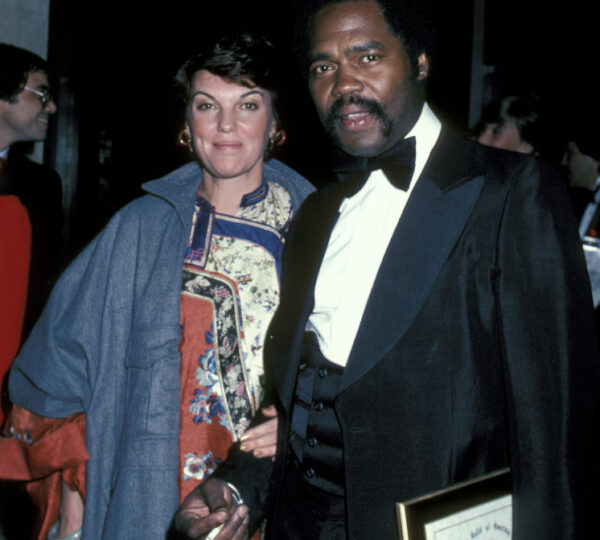
Her work emphasizes traditional recipes, creativity in food design, and a family-oriented approach to culinary entrepreneurship.
Unlike her siblings, she largely remained outside the public entertainment spotlight, focusing on a quieter professional life centered on food and family.
Over the years, Tyne Daly has occasionally shared reflections on motherhood and family life, noting the challenges of balancing a demanding acting career with raising children.
Like many working actors, she experienced periods of intense professional activity that required managing both on-set responsibilities and family commitments.
Her career in Cagney & Lacey was particularly demanding, as the role involved long production schedules and significant public attention during the show’s popularity.
Georg Stanford Brown also continued working in television and film, sometimes balancing acting with directing and other creative industry roles.
As their daughters grew older, each pursued their own individual paths, reflecting different interpretations of creativity, independence, and personal identity.
The family’s experience is often discussed in broader cultural contexts about interracial families in Hollywood and the gradual shift in representation over time.
It is important to note that while their marriage occurred during a period of legal change in the United States, interracial marriage had already become legally recognized nationwide after 1967.
Their relationship is therefore often viewed as part of a transitional era in American social history rather than a period of absolute legal prohibition across all states.
Over time, public perception of interracial relationships in media and entertainment has evolved significantly, with increasing representation in film, television, and public life.
The legacy of Georg Stanford Brown and Tyne Daly is often associated not only with their acting careers but also with their contribution to changing cultural visibility of diverse families.
Their daughters’ lives reflect a wide range of creative and professional choices, showing how individuals from the same family can pursue very different identities and careers.
Alisabeth Brown’s artistic work, Kathryne Brown’s acting experiences, and Alyxandra Brown’s culinary career each demonstrate different expressions of creativity and independence.
Together, they illustrate how children of public figures may choose paths both within and outside the entertainment industry.
While their parents’ relationship attracted public attention during its time, the family’s long-term story is often viewed through the lens of personal growth and individual achievement.
Today, the narrative surrounding the family is less about controversy and more about legacy, creativity, and the diverse directions taken by each member.
In reflection, their story highlights broader themes of cultural change, family identity, and the evolving nature of representation in American entertainment history.
Ultimately, the legacy of Georg Stanford Brown and Tyne Daly is often seen as both professional and personal, shaped by decades of work, family life, and changing social landscapes.