Physically healthy 56-year-old makes an end-of-life decision, citing deeply personal reasons
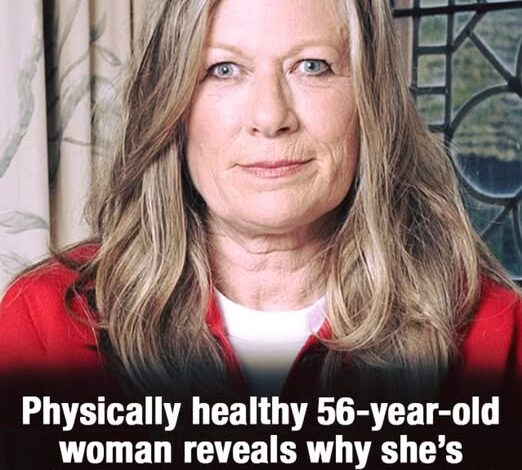
A 56-year-old woman from the United Kingdom, Wendy Duffy, has attracted public attention after reports confirmed she is preparing to travel to Switzerland to undergo an assisted dying procedure. Her decision has been widely discussed due to the circumstances behind it, particularly the emotional impact of losing her only son several years ago. Wendy Duffy, a former care worker from the West Midlands, has stated in interviews that her decision is not based on a terminal physical illness, but rather on long-term psychological suffering following a deeply traumatic personal loss.
According to her account, the grief she experienced after the death of her son Marcus, aged 23, in 2019 has had a lasting impact on her mental and emotional well-being. Reports indicate that Marcus died after a sudden medical emergency involving choking while he was asleep at home. Despite emergency intervention and hospital treatment, complications led to severe brain injury caused by oxygen deprivation. He later passed away in hospital after life support was withdrawn, following several days under medical care.
Wendy has spoken publicly about the emotional impact of witnessing her son’s condition in hospital and the period that followed. She described long-term grief, emotional distress, and difficulty coping with daily life after the loss. In various interviews, she has explained that she sought support through counselling services and medical treatment within the UK healthcare system.
According to her statements, Wendy also attempted to manage her condition through prescribed antidepressant medication and psychological support. However, she has described her recovery as incomplete, explaining that she continued to struggle with emotional pain and a sense of loss that did not improve over time. These experiences, she says, contributed to her decision to explore assisted dying options abroad.
Wendy eventually learned about assisted dying services in Switzerland, where some organisations provide end-of-life support under strict legal conditions. One such organisation is the Swiss clinic Pegasos Swiss Association, which is known for offering assisted dying services in accordance with Swiss law, including in certain cases involving severe psychological suffering, subject to strict eligibility assessments.
According to reporting from UK media sources, Wendy began the application process after researching the clinic and understanding its requirements. The process reportedly involved multiple stages, including submission of medical records, psychological history, interviews, and evaluations conducted over an extended period of time. These steps are part of the clinic’s formal assessment procedure.
Her application was reviewed over many months, during which she maintained regular communication with the organisation. Reports indicate that she was required to demonstrate consistent decision-making capacity and confirm her understanding of the legal and medical aspects of the process. Ultimately, her application was approved under the clinic’s criteria.
Wendy has also spoken about the planning involved in preparing for her final journey, including personal arrangements and communications with close family members. She has stated that some of her siblings are aware of her decision to seek assisted dying abroad, although the exact timing of her planned procedure has not been widely shared with extended relatives.
In interviews, she has described her emotional state as one of ongoing grief and long-term psychological distress. She has emphasized that she explored multiple forms of support before reaching her current decision, including therapy, medical treatment, and family support. Despite these efforts, she has said that she continues to feel unable to recover from her loss.
The situation has raised broader discussions in the UK about mental health care, bereavement support, and assisted dying laws. In the United Kingdom, assisted dying remains illegal in most circumstances, and individuals who travel abroad for such procedures may do so under complex legal and ethical considerations. Families involved are often not permitted to assist directly in travel arrangements due to potential legal implications.
Public reaction to Wendy Duffy’s case has been mixed, with some people expressing sympathy for her grief and others raising ethical concerns about assisted dying in cases that are not related to terminal physical illness. The debate reflects ongoing discussions in several countries about how law and medicine should approach severe psychological suffering and end-of-life autonomy.
It is important to note that cases like this are handled under strict medical and legal review in Switzerland, where assisted dying is regulated but only permitted under specific conditions. Each application is individually assessed, and approval is not automatic. These safeguards are intended to ensure that decisions are carefully evaluated over time.
Wendy has stated in interviews that she understands the emotional difficulty her decision may cause for her family and friends. At the same time, she has expressed that she believes her choice is a personal one based on her lived experience of grief and long-term suffering. She has described her perspective as being shaped by the belief that she is no longer able to find quality of life after her son’s death.
As the story continues to circulate in the media, it remains a sensitive example of the complex intersection between grief, mental health, personal autonomy, and international assisted dying laws. It has also contributed to wider public discussion about how societies support individuals experiencing prolonged psychological suffering after bereavement.