A Deleted Dirty Dancing Scene Is Changing How Fans See the Film Years Later
Few films from the 1980s have managed to remain as culturally relevant as Dirty Dancing. Decades after its release, it continues to capture attention across generations. What began as a modest romantic drama evolved into a lasting cultural phenomenon. Its appeal lies not only in nostalgia but in emotional storytelling. Viewers still return to it, discovering new meaning each time.
At first glance, the film presents a simple coming-of-age story. It focuses on summer romance, dance, and personal discovery. However, beneath the surface lies a more layered narrative. Themes of identity, class, and transformation shape the story. This depth is what keeps audiences engaged over time.
The emotional core of the film is driven by its characters. Their journey unfolds gradually through both dialogue and movement. Each interaction builds tension and connection. This careful pacing allows the story to feel authentic. It creates a sense of realism that resonates with viewers.
At the center of it all are Patrick Swayze and Jennifer Grey. Their performances define the emotional strength of the film. Together, they bring Johnny and Baby to life. Their dynamic feels natural yet layered. This balance adds to the film’s authenticity.
Their chemistry is often described as complex. It is not solely built on scripted dialogue. Instead, much of it is expressed through movement and silence. This allows audiences to interpret emotions personally. It creates a deeper connection with the story.
Behind the scenes, their working relationship was reportedly professional but not always smooth. Some tension existed during production. Interestingly, this may have enhanced their on-screen dynamic. The emotional push and pull felt genuine. It translated directly into their performances.
Like many films, Dirty Dancing underwent extensive editing. Several scenes were removed during post-production. These decisions were made to improve pacing and clarity. Not every strong scene fits the final structure. Editing requires difficult choices.
Deleted scenes often reveal alternative storytelling paths. They show moments that could have expanded character relationships. However, they can also disrupt narrative flow. Filmmakers must prioritize coherence. This balance shapes the final version audiences see.
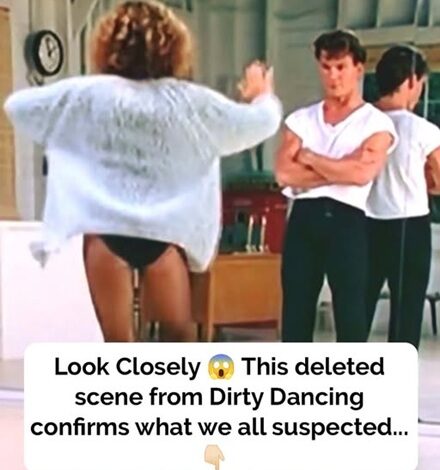
In recent years, a deleted scene has gained attention. Fans believe it adds new context to the characters. It suggests deeper emotional layers. For many, it confirms long-held interpretations. This has reignited discussion around the film.
The idea of unseen moments fascinates audiences. It invites them to imagine what more could have been included. These gaps create a sense of mystery. They allow viewers to engage beyond the surface. This contributes to the film’s lasting appeal.
Dance plays a central role in storytelling. It is not just performance—it is communication. Every movement reflects emotional development. The choreography mirrors the relationship’s growth. This approach elevates the narrative.
Kenny Ortega, the film’s choreographer, emphasized realism. His goal was to make every movement feel natural. Dance needed to reflect character emotions. This authenticity became a defining feature. It set the film apart from others.
Through dance, the characters build trust. Practice becomes a form of connection. Each routine shows progression. This physical coordination mirrors emotional closeness. It strengthens the narrative impact.
One of the most iconic moments is the final lift. This scene has become a symbol of cinematic romance. It represents trust, timing, and resolution. Audiences continue to reference it today. Its simplicity makes it powerful.
The film’s cultural impact extends beyond cinema. It has influenced stage adaptations and media references. New audiences continue to discover it. Each generation brings fresh interpretation. This keeps the story alive.
Editing decisions played a key role in shaping this legacy. The final cut focuses tightly on character development. It removes distractions from the central story. This clarity strengthens emotional engagement. It ensures the narrative remains focused.
While some scenes were removed, their absence adds intrigue. Viewers are left to imagine missing details. This creates a sense of depth. It invites ongoing discussion. The story feels larger than what is shown.
The film’s themes remain universally relatable. Identity, independence, and growth are central ideas. These concepts transcend time. They connect with audiences of all ages. This universality is key to its success.
Music also plays a significant role. It enhances emotional moments throughout the film. Songs become part of the storytelling. They reinforce the atmosphere and tone. This integration adds to the overall experience.
The combination of elements creates balance. Storytelling, dance, and music work together seamlessly. Each supports the other. This cohesion strengthens the film’s impact. It makes the experience memorable.
Characters are written with depth and relatability. Their struggles feel real and grounded. Audiences connect with their journey. This emotional investment drives engagement. It keeps viewers returning.
The film’s legacy is built on authenticity. It does not rely on spectacle alone. Instead, it focuses on human connection. This approach gives it lasting power. It continues to resonate over time.
Even decades later, discussions around the film persist. New insights continue to emerge. Deleted scenes and behind-the-scenes stories add layers. They keep the narrative evolving. Interest remains strong.
The rediscovery of unused footage adds fresh perspective. It allows audiences to rethink familiar moments. This process keeps the film relevant. It bridges past and present interpretations. It renews curiosity.
Ultimately, Dirty Dancing endures because of its emotional truth. It captures moments that feel genuine and timeless. Its storytelling remains impactful. The film stands as a reminder of how powerful simplicity can be.