Signs of Pancreatic Cancer You Should Never Ignore
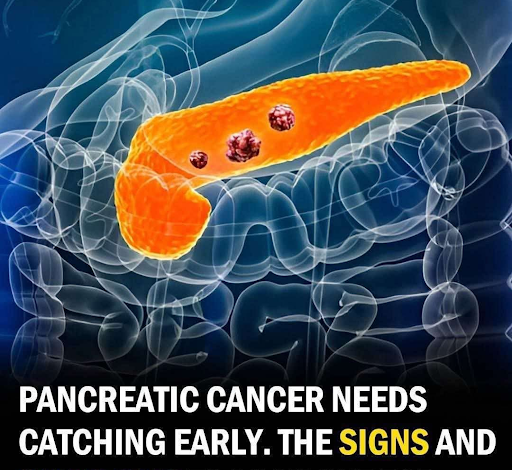
Pancreatic cancer is one of the most aggressive and deadly forms of cancer, often called a “silent killer” because it rarely produces early symptoms. According to the American Cancer Society, pancreatic cancer is the third leading cause of cancer-related deaths in the United States, and it is projected to become the second by 2030 due to its increasing incidence and poor survival rate.
The challenge with pancreatic cancer lies in its subtle and often overlooked symptoms, which is why early detection is crucial. The pancreas, a small organ located behind the stomach, plays a vital role in digestion and blood sugar regulation. When cancer develops in this organ, it can disrupt these functions, but often the signs are mistaken for less serious conditions.
In this post, we’ll explore the key signs of pancreatic cancer, risk factors, and when to seek medical attention. Understanding these early warning signs could literally save your life or the life of someone you love.
Why Pancreatic Cancer Is So Dangerous
Pancreatic cancer is particularly lethal because it often goes undetected until it reaches an advanced stage. The pancreas is tucked deep within the abdomen, so tumors can grow without causing pain or noticeable symptoms for months. By the time signs emerge, the cancer may have already spread to nearby organs, blood vessels, or lymph nodes, making treatment more complicated and survival rates lower.
Key statistics highlight this grim reality:
- The five-year survival rate for all stages combined is about 12%, but when detected early and localized, survival can exceed 39%.
- Approximately 60% of cases are diagnosed at a late stage, when symptoms finally become apparent.
Because of this, being aware of early warning signs is vital.
1. Jaundice (Yellowing of the Skin and Eyes)
One of the most common early signs of pancreatic cancer is jaundice, characterized by yellowing of the skin and the whites of the eyes. Jaundice occurs when the tumor blocks the bile duct, preventing bile from draining from the liver into the intestines.
Other symptoms that may accompany jaundice include:
- Dark urine
- Pale or clay-colored stools
- Itchy skin
Jaundice is often noticeable to family members before the individual recognizes it. While jaundice can be caused by other liver or gallbladder conditions, it is considered a red flag symptom that should never be ignored.
2. Unexplained Weight Loss
Rapid, unexplained weight loss is another potential warning sign of pancreatic cancer. Many patients report losing 10 pounds or more without changes to diet or activity levels.
The pancreas plays a crucial role in digestion, producing enzymes that help break down fats, proteins, and carbohydrates. Tumors can interfere with this process, causing the body to absorb fewer nutrients, which leads to weight loss.
Even if accompanied by other seemingly minor symptoms, sudden weight loss warrants a prompt medical evaluation.
3. Abdominal or Back Pain
Pain is often a late symptom, but it can sometimes appear earlier depending on the tumor’s location:
- Tumors in the body or tail of the pancreas may cause pain in the upper abdomen or middle back.
- Pain is often described as dull, persistent, or radiating and may worsen at night or after eating.
While back or abdominal pain can be caused by many less serious conditions, persistent pain that doesn’t improve with lifestyle changes or over-the-counter medications should be evaluated by a doctor.
4. Digestive Problems
Because the pancreas produces enzymes necessary for digestion, tumors can interfere with these processes, leading to:
- Nausea and vomiting
- Loss of appetite
- Bloating and indigestion
- Diarrhea or oily, foul-smelling stools
These symptoms are often misattributed to dietary issues or stress, which can delay diagnosis. Persistent digestive disturbances, especially when combined with other symptoms like jaundice or weight loss, should prompt further investigation.
5. New-Onset Diabetes
Pancreatic cancer can affect the pancreas’ ability to regulate blood sugar, sometimes leading to new-onset diabetes in adults over 50.
Some warning signs of diabetes include:
- Increased thirst
- Frequent urination
- Fatigue
- Blurred vision
While not all cases of diabetes indicate pancreatic cancer, sudden changes in blood sugar or unexplained insulin resistance should be discussed with a healthcare professional, particularly if other warning signs are present.
6. Changes in Stool or Urine
Changes in stool or urine can provide important clues:
- Pale, clay-colored stools can indicate bile duct blockage caused by a pancreatic tumor.
- Dark urine may occur when excess bilirubin accumulates due to blocked bile flow.
- Diarrhea or greasy stools can result from inadequate pancreatic enzyme production.
Paying attention to these changes, especially when combined with other symptoms, can lead to earlier detection.
7. Fatigue and Weakness
Cancer often causes fatigue because the body is fighting the disease and nutrients are not absorbed properly. This fatigue may be:
- Persistent
- Unexplained by lifestyle factors
- Accompanied by weakness or reduced physical stamina
Fatigue is a common symptom of many conditions, but in the context of other warning signs, it warrants a thorough evaluation.
8. Blood Clots
Pancreatic cancer can increase the risk of blood clots, sometimes causing sudden swelling or pain in the legs (deep vein thrombosis). In rare cases, clots can travel to the lungs (pulmonary embolism), which is life-threatening.
Unexplained blood clots, especially when occurring alongside digestive issues or jaundice, should trigger prompt medical attention.
Risk Factors to Be Aware Of
While anyone can develop pancreatic cancer, certain factors increase risk:
- Age: Most diagnoses occur in individuals over 60.
- Smoking: Smokers are twice as likely to develop pancreatic cancer.
- Obesity and poor diet: High-fat diets and obesity may contribute.
- Family history: Genetic factors play a role; certain inherited gene mutations increase risk.
- Chronic pancreatitis or diabetes: Long-term inflammation or new-onset diabetes may be warning signs.
Understanding these risk factors can help identify individuals who may benefit from earlier screening.
Diagnostic Tools for Pancreatic Cancer
If a doctor suspects pancreatic cancer, several diagnostic tools may be used:
- Blood tests: CA 19-9 is a tumor marker sometimes elevated in pancreatic cancer.
- Imaging: CT scans, MRI, and endoscopic ultrasound can detect tumors.
- Biopsy: A tissue sample confirms the diagnosis.
Early detection dramatically improves outcomes, which is why recognizing warning signs and seeking timely medical care is critical.
Treatment Options
Treatment depends on the stage of the cancer, the patient’s overall health, and tumor location. Common options include:
- Surgery: Procedures like the Whipple operation remove tumors in the head of the pancreas.
- Chemotherapy and radiation: Often used before or after surgery, or for advanced cancer.
- Targeted therapy: For cancers with specific genetic markers.
- Palliative care: Focuses on symptom management and quality of life.
While pancreatic cancer remains challenging to treat, early detection greatly improves survival rates and treatment effectiveness.
Prevention and Lifestyle Strategies
Although not all cases can be prevented, certain strategies may reduce risk:
- Don’t smoke: Smoking is a major risk factor.
- Maintain a healthy weight: Obesity increases risk.
- Eat a balanced diet: Focus on fruits, vegetables, and whole grains.
- Exercise regularly: Helps reduce obesity and improve overall health.
- Regular check-ups: Particularly if you have risk factors or family history.
Being proactive about lifestyle and screening can have a significant impact.
When to Seek Medical Help
Any of the following symptoms should prompt a discussion with a healthcare provider:
- Unexplained jaundice or dark urine
- Rapid weight loss without dieting
- Persistent abdominal or back pain
- New-onset diabetes in older adults
- Digestive problems that don’t resolve
Early evaluation can save lives. Even if pancreatic cancer is not the cause, these symptoms can indicate other serious conditions that require treatment.
Conclusion
Pancreatic cancer is a silent and deadly disease, but awareness of early warning signs can make a critical difference. Symptoms such as jaundice, unexplained weight loss, persistent abdominal or back pain, digestive changes, and new-onset diabetes should never be ignored.
While these signs may indicate conditions other than cancer, early detection remains the most powerful tool for improving survival. Coupled with a healthy lifestyle, regular check-ups, and awareness of risk factors, vigilance can offer the best defense against this formidable disease.
If you notice any combination of these warning signs, consult a healthcare professional immediately. Awareness, action, and early intervention can save lives.
Remember: Pancreatic cancer may be aggressive, but timely recognition of symptoms and proper medical care can make all the difference.