Women’s Chin Hair: Causes and Confident Ways to Handle It
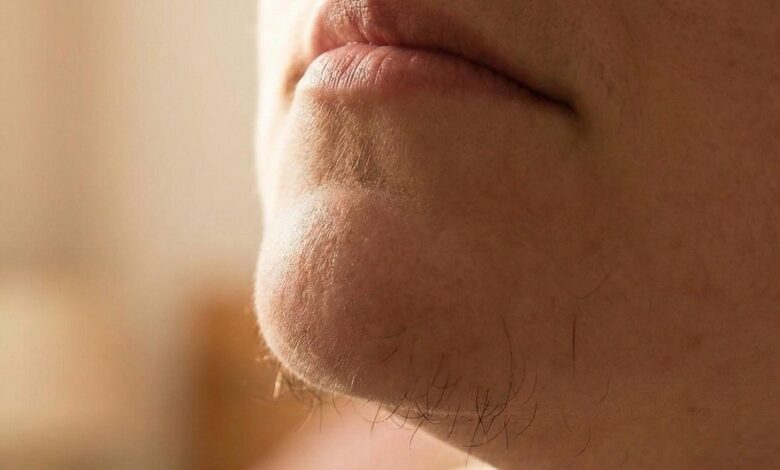
Discovering a coarse hair or two on your chin can be surprising, even alarming at first. Many women experience a moment of shock upon noticing a dark, slightly thickened hair where none seemed to exist before.
However, this occurrence is far more common than many people realize. Facial hair growth varies widely and is often a normal part of the body’s rhythm.
Genetics, age, hormonal changes, and lifestyle factors all influence the amount, density, and color of hair that appears on the chin and jawline. For most women, chin hair is a cosmetic concern rather than a medical one, and it doesn’t indicate any underlying health problem.
Nevertheless, understanding why it develops and what factors influence its growth can provide reassurance and guidance for whether simple grooming solutions are sufficient or if further investigation might be necessary.
The Role of Hormones in Chin Hair Growth
One of the most significant contributors to chin hair in women is hormone activity. The body produces hormones called androgens, which are often thought of as “male” hormones but are naturally present in all sexes.
These hormones, including testosterone and its derivatives, play a key role in regulating hair growth throughout the body.
In women, androgen levels are usually low, but even subtle fluctuations can activate dormant hair follicles, particularly on the chin, jawline, and upper lip.
Hormonal changes can occur at various stages of life. During puberty, rising androgen levels contribute to the growth of hair in new areas, including facial regions.
Later in life, menopause or perimenopause often brings additional hormonal fluctuations. Some women notice that chin hairs appear or become more prominent during this time, as estrogen levels decline and the relative effect of androgens increases.
Other situations that may influence hormone levels include changes in birth control methods, pregnancy, or certain thyroid-related adjustments.
Thyroid disorders can also subtly impact hair texture and growth patterns, although these effects are usually accompanied by other signs such as fatigue, weight changes, or hair thinning on the scalp.
In many cases, the appearance of chin hairs may coincide with other symptoms, such as acne flare-ups, irregular menstrual cycles, or unexpected changes in weight or energy levels.
When multiple symptoms occur simultaneously, it can be helpful to consult a healthcare professional for a comprehensive evaluation.
Blood tests to assess hormone levels, including androgens and thyroid function, can clarify whether the hair growth is a natural variation or related to a specific medical condition.
However, it’s important to remember that minor amounts of chin hair are often entirely normal, and many women never require medical intervention.
Polycystic Ovary Syndrome (PCOS) and Facial Hair
Another commonly discussed factor in relation to chin hair is Polycystic Ovary Syndrome (PCOS), a hormonal condition that affects up to 10% of women of reproductive age.
PCOS occurs when hormonal imbalances, often involving elevated androgen levels, disrupt the regular functioning of the ovaries.
One of the hallmark signs of PCOS is hirsutism, which refers to excessive hair growth in areas where men typically grow hair but women usually do not, such as the chin, jawline, chest, and back.
While chin hair can be a symptom of PCOS, it’s important to understand that not all women with chin hair have this condition.
PCOS is diagnosed based on a combination of factors, including irregular menstrual cycles, difficulty managing weight, and skin changes like acne or oily skin.
Blood tests measuring hormone levels, ultrasound scans of the ovaries, and clinical evaluations are all part of a proper diagnostic approach.
Importantly, chin hair alone is not enough to diagnose PCOS, and many women with a few strands of hair on the chin have no underlying endocrine or reproductive health issues at all.
Awareness of PCOS is important because early diagnosis and management can improve long-term health outcomes. In addition to cosmetic concerns, PCOS can impact fertility, cardiovascular health, and metabolic function.
Treatments often include lifestyle adjustments, medications to regulate menstrual cycles or manage hormone levels, and approaches to control excess hair growth.
For those concerned about appearance, healthcare providers can discuss safe and effective hair removal options while also addressing the underlying hormonal factors when relevant.
Aging, Genetics, and Natural Hair Patterns
In many cases, chin hair in women has little to do with medical conditions and more to do with aging and inherited traits. As women age, the body’s hormonal balance naturally shifts.
Even minor changes in androgen activity can make previously invisible hairs more noticeable. Some women notice chin hairs appearing in their 30s or 40s, while others may not see any until menopause.
Genetics also plays a significant role. Women whose mothers, grandmothers, or aunts experienced visible facial hair are more likely to encounter similar patterns themselves.
Hair color, texture, and thickness are strongly influenced by family traits. For example, dark, coarse hairs are often more visible than fine, light-colored hairs, even when their growth rate is similar.
Similarly, some women may have a single prominent hair on the chin that stands out, while others develop a small cluster that spreads over the jawline.
It is important to note that these patterns are entirely normal. Facial hair growth in women does not always signal illness or imbalance; it can simply be a natural part of genetic expression and the aging process. Recognizing this fact can help reduce unnecessary anxiety and prevent women from overestimating the severity of minor cosmetic changes.
Cosmetic Management and Hair Removal Options
For women primarily concerned with appearance, there are a variety of options for managing chin hair.
The approach can vary based on hair density, skin sensitivity, lifestyle preferences, and desired frequency of maintenance. Common methods include:
Tweezing: Using high-quality tweezers to remove individual hairs is precise and cost-effective. It’s suitable for isolated hairs or small patches but may require regular maintenance.
Waxing: Waxing removes multiple hairs at once and can leave the skin smooth for several weeks. It is best performed by a trained professional, especially for sensitive facial skin.
Threading: A traditional method originating from South Asia, threading uses twisted cotton threads to remove hair at the follicle level. It is precise and long-lasting, ideal for shaping the jawline or removing multiple hairs.
Depilatory Creams: These creams chemically break down hair for easy removal. They are convenient for home use but may cause irritation for some skin types. Patch testing is recommended.
Laser Hair Removal: A longer-term solution, laser treatments target the hair follicle to reduce or eliminate growth over multiple sessions. Laser is generally more effective for darker hairs and requires a professional technician.
Electrolysis: Another permanent hair removal option, electrolysis uses small electrical currents to destroy hair follicles. It is effective on all hair colors and textures but can be time-intensive.
Choosing the right method depends on individual needs, tolerance for discomfort, cost, and desired longevity of results.
Many women combine approaches — for instance, laser treatments to reduce overall density and tweezing for occasional stray hairs.
Psychological and Social Considerations
Beyond physical appearance, the experience of noticing facial hair can have emotional and social implications. Some women feel embarrassed or self-conscious when they see a coarse chin hair, even though it is a normal phenomenon.
Societal standards of beauty often influence these feelings, placing undue emphasis on smooth, hairless skin.
It can be helpful to approach facial hair with a mindset of acceptance and practical management. Understanding that chin hairs are common and frequently benign can reduce anxiety.
At the same time, having reliable grooming techniques and professional support when needed empowers women to feel in control of their appearance without undue stress.
For some, connecting with supportive communities — online forums, discussion groups, or healthcare providers — can normalize the experience.
Knowing that countless women share similar experiences, and that chin hair is a natural aspect of biology, can provide reassurance and reduce feelings of isolation.
When to Seek Medical Advice
While most cases of chin hair are normal or age-related, there are situations in which consulting a healthcare professional is advisable. These include:
Sudden, rapid onset of dense facial hair in a short period.
Chin hair accompanied by other symptoms such as irregular periods, unexplained weight gain, acne, or changes in skin texture.
Signs of virilization, such as deepening of the voice or increased muscle mass, which can indicate hormonal imbalance.
Persistent concerns about the cosmetic impact or discomfort from hair growth that home management cannot address.
A healthcare professional may conduct hormone testing, review family history, and provide guidance on treatment or monitoring options.
Early evaluation can reassure women and identify any underlying conditions that may benefit from intervention.
Practical Advice and Self-Care Tips
Managing chin hair is as much about practical routines as it is about cosmetic methods. Some tips include:
Consistent Grooming: Regular tweezing, threading, or shaving prevents hairs from becoming noticeable.
Gentle Skin Care: Hair removal can irritate skin. Using soothing creams or aloe vera helps prevent redness.
Tracking Changes: Keeping a log of new hair growth or changes in texture can help identify patterns or potential hormonal shifts.
Consultation with Professionals: Dermatologists or licensed aestheticians can provide safe removal methods tailored to skin type.
It is also beneficial to combine these strategies with self-acceptance. Recognizing that a few chin hairs are a natural part of life fosters confidence and reduces unnecessary stress.
Conclusion: Embracing Knowledge and Balance
Facial hair growth in women, particularly on the chin, is a multifactorial phenomenon. Hormonal shifts, genetics, aging, and sometimes underlying conditions like PCOS can influence the appearance of hair.
Yet, in most cases, it is simply a normal aspect of female biology.
Being informed empowers women to make thoughtful decisions — whether that means opting for grooming methods, seeking medical advice, or simply accepting the change as natural.
Balance is key: understanding the reasons behind chin hair without succumbing to anxiety allows for both practical management and emotional peace.
Ultimately, the presence of a hair or two on the chin is rarely a sign of serious concern. With knowledge, self-care strategies, and confidence, women can approach this common aspect of their bodies with both calmness and clarity, ensuring that their health, appearance, and peace of mind coexist harmoniously.