Renewed Scrutiny Surrounding Prince Andrew and the Epstein Case: What We Know
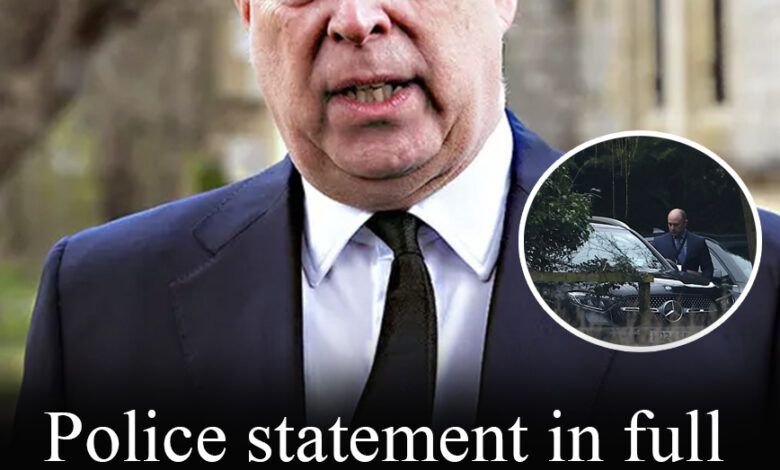
Public attention surrounding Prince Andrew’s past association with Jeffrey Epstein continues to resurface in political and media discussions, particularly as new document releases related to Epstein’s criminal investigations are analyzed worldwide.
Although there has been no confirmed arrest or new criminal charge announced against Prince Andrew, ongoing debate has intensified over accountability, transparency, and the role public officials played during earlier investigations.
The Jeffrey Epstein case remains one of the most controversial legal sagas in modern history. Since Epstein’s 2008 conviction and his later federal charges in 2019, thousands of documents have entered the public record.
Those records have repeatedly sparked questions about individuals mentioned in investigative materials — including public figures — and whether institutions acted appropriately at the time.
Prince Andrew has long faced scrutiny due to his past friendship with Epstein. In 2019, his televised interview addressing the relationship drew widespread criticism and led to significant public backlash.
Shortly afterward, he stepped back from official royal duties. Buckingham Palace announced that he would no longer carry out public engagements on behalf of the monarchy.
In 2022, Prince Andrew reached a civil settlement with Virginia Giuffre in the United States. The settlement resolved the lawsuit without an admission of liability. The agreement did not constitute a criminal conviction.
Since then, there have been no official announcements of criminal charges in the United Kingdom related to the matter.
However, renewed interest has emerged as more Epstein-related materials have been released through U.S. court proceedings and federal transparency efforts.
Legal experts caution that being mentioned in investigative documents does not automatically imply wrongdoing. Large investigative archives often include references to individuals for a variety of reasons, including flight manifests, social introductions, or third-party communications.
The distinction between being named in documents and being formally charged is critical.
At the same time, critics argue that institutions — including governments, law enforcement agencies, and powerful social networks — have faced insufficient scrutiny for how Epstein operated for years before being held accountable.
The phrase “misconduct in public office” has appeared frequently in public discussions. In UK law, misconduct in public office is a serious common law offense involving abuse of a public position. It requires proof of willful neglect or abuse of authority.
To date, no official announcement has indicated that Prince Andrew is under investigation for that specific offense.
Public reaction remains deeply divided.
Some argue that additional independent reviews should be conducted into how Epstein maintained relationships with powerful individuals. Others maintain that due process and evidence — not speculation — must guide public discourse.
The case also raises broader concerns about public trust in institutions.
When high-profile figures are associated with controversial individuals, even absent criminal charges, public confidence can erode.
Royal historians note that the British monarchy operates under intense public scrutiny. Allegations alone can carry lasting reputational consequences, even when no legal findings are made.
The intersection of politics, media, and monarchy has amplified this effect.
In today’s digital age, viral headlines and social media commentary often outpace official statements.
Misinformation can spread quickly, making it difficult for the public to separate confirmed facts from speculation.
Law enforcement agencies typically avoid commenting on hypothetical investigations unless formal actions are taken.
For now, there has been no verified confirmation of a new arrest, charge, or formal UK criminal proceeding involving Prince Andrew.
The broader Epstein story continues to generate attention because it touches on power, privilege, and accountability at the highest levels.
As additional documents are reviewed, the public conversation is likely to continue.
What remains essential is careful reporting grounded in verified information.
In high-profile matters involving criminal allegations, accuracy and restraint are critical — both for legal integrity and public trust.