Ilhan Omar’s Future in Congress Sparks Renewed National Debate
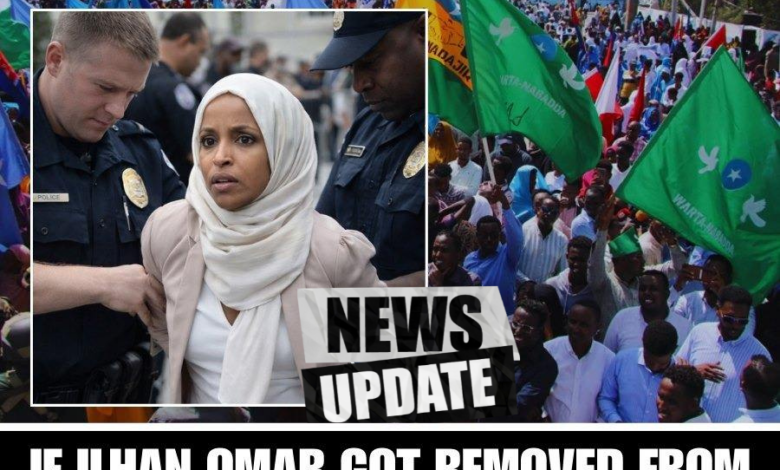
Few members of Congress generate as much passionate debate as Representative Ilhan Omar. As one of the most recognizable figures in Washington, she continues to divide opinion across the country.
Supporters view her as a bold voice willing to challenge the status quo. Critics argue that her rhetoric and policy positions have been controversial and polarizing.
Omar, who represents Minnesota’s 5th Congressional District, was first elected in 2018 and has since become a prominent national figure. Her presence in Congress has shaped discussions on immigration, foreign policy, social justice, and civil rights.
Over the years, she has faced intense scrutiny, public backlash, and repeated political challenges. Yet she has also maintained strong support within her district.
In American democracy, disagreements with elected officials are not uncommon. What makes Omar’s case particularly notable is the intensity of the national conversation surrounding her.
Some critics believe her policies are out of step with broader national interests. Others argue she brings necessary perspective and representation to Congress.
The Constitution provides clear mechanisms for addressing dissatisfaction with elected officials: elections, primary challenges, and lawful congressional procedures.
Members of Congress can be removed only through a two-thirds vote of the House for expulsion, or by voters in the next election cycle.
As the next election approaches, voters in Minnesota will ultimately determine whether she continues to represent their district.
Political analysts note that Omar’s visibility has made her both a target and a mobilizing force. High-profile lawmakers often attract strong reactions from both supporters and opponents.
In today’s political climate, polarization has amplified these debates.
The question many Americans are asking is not whether disagreements exist — but how they should be addressed within the democratic system.
Should voters double down on her leadership?
Or is it time for new representation?
Ultimately, the power lies with the electorate.
Public debate, civic engagement, and participation at the ballot box remain the cornerstone of American governance.
Whatever side one takes, the conversation around Ilhan Omar reflects broader questions about representation, accountability, and the future direction of U.S. politics.
As discussions intensify online and in communities across the country, one thing is clear: the decision will not be made through outrage — but through votes.