When your liver is bad, these parts start to hurt
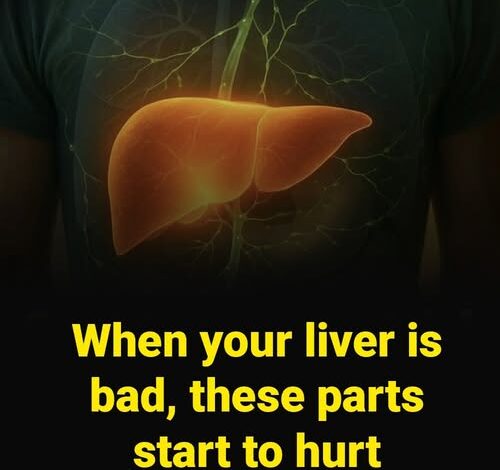
The liver is the body’s primary chemical processing plant—a vital organ tasked with the monumental responsibilities of filtering toxins, producing bile for digestion, and storing the essential nutrients that fuel our daily lives. Because of its central role in systemic health, even minor disruptions in liver function can have a cascading effect on the body. However, the liver is often called a “silent” organ because it lacks the pain receptors found in other areas, meaning its signals for help are frequently subtle, unexpected, or easily misattributed to other ailments.
Localized Discomfort and Inflammation
One of the most frequent indicators of a struggling liver is a sense of pressure or discomfort in the upper right quadrant of the abdomen, specifically tucked just under the ribs where the liver resides. When the organ becomes inflamed or enlarged—a common occurrence in conditions such as fatty liver disease, hepatitis, or cirrhosis—it can press against its surrounding capsule. This may manifest as a dull ache, a persistent feeling of fullness, or occasional sharp sensations in that specific region.
Getty Images
Explore
The Phenomenon of Referred Pain
Interestingly, liver-related distress is not always confined to the abdomen. Due to the complex network of nerve connections within the torso, discomfort can “radiate” to the upper right back or the right shoulder blade. This medical phenomenon, known as referred pain, occurs because the nerves supplying the liver and the diaphragm share pathways with those in the shoulder area. This can be particularly confusing for patients, as the source of the discomfort appears entirely unrelated to the digestive system.
In more advanced stages of liver disease, the signals become more overt. A condition known as ascites—the accumulation of fluid within the peritoneal cavity—can cause visible swelling, bloating, and a pronounced sense of heaviness or tightness across the stomach.
Beyond the Ache: Systemic Red Flags
Liver dysfunction often reveals itself through symptoms that seem, at first glance, to be unrelated to an internal organ.
- Dermatological Clues: When bile flow is obstructed, bile salts can accumulate in the skin, leading to intense, relentless itching, particularly on the palms of the hands and the soles of the feet.
- Toxin Accumulation: A primary function of the liver is to clear waste from the bloodstream. When this process falters, the buildup of toxins can trigger systemic inflammation, resulting in joint pain, persistent fatigue, and physical weakness.
- Cognitive Impact: Many individuals report a “mental fog,” headaches, or a general sense of disorientation. In severe cases, this may be linked to hepatic encephalopathy, where toxins that the liver failed to filter begin to affect the brain.
Visible Indicators: Jaundice and Discoloration
The most widely recognized warning sign is jaundice, a yellowing of the skin or the whites of the eyes caused by an excess of bilirubin in the blood. This is often accompanied by other telltale changes in bodily waste, such as dark-colored urine or unusually pale, clay-colored stools. Because these symptoms can overlap with various other health conditions, they are frequently overlooked until the underlying liver issue has progressed.
The Importance of Early Intervention
The liver is remarkably resilient and possesses a unique capacity for regeneration, but that capacity is not infinite. Anyone experiencing persistent abdominal discomfort, chronic fatigue, or noticeable changes in skin and eye color should seek a professional medical evaluation without delay.
Early detection is the most effective tool in preventing the transition from manageable inflammation to irreversible scarring. By responding to the body’s subtle distress signals promptly, individuals can support proper liver function and ensure the long-term integrity of their overall health.
Have you ever experienced “referred pain” or other subtle symptoms that turned out to be related to an internal health issue? Share your story in the comment section below.