Nearly All Dems Oppose SAVE Act Despite Broad Public Support for Voter ID
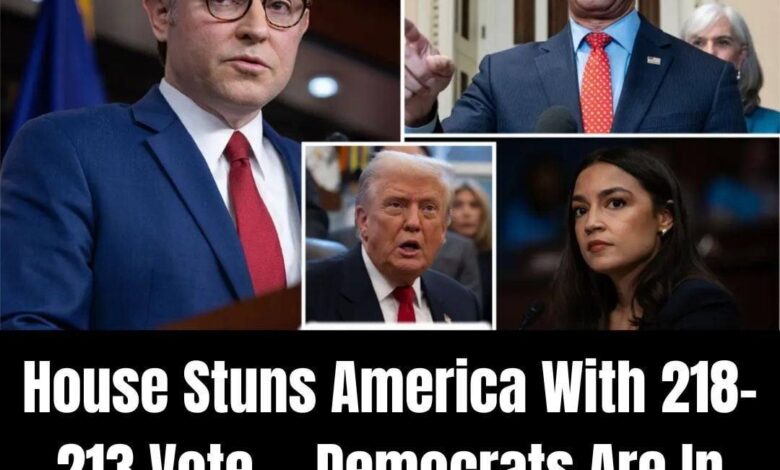
The marble corridors of Washington are currently the backdrop for a high-velocity political collision as lawmakers square off over the proposed SAVE America Act. Far from a routine legislative skirmish, both supporters and detractors agree that this bill has transformed into a high-stakes litmus test for the public’s eroding trust in government institutions.
The legislation has galvanized the highest echelons of both parties. President Donald Trump has positioned himself as a vocal champion of the measure, framing it as a non-negotiable step toward total election security. Conversely, Senate Majority Leader Chuck Schumer has emerged as a primary antagonist to the bill, cautioning that its passage could result in significant, perhaps irreversible, collateral damage to voter participation.
The Case for Verification
Proponents of the SAVE America Act argue that the bill is simply a codification of what the vast majority of Americans already assume to be the standard: a rigorous, foolproof verification process ensuring that only citizens cast ballots in federal elections.
The central argument from the Republican wing is one of consistency. They contend that the identification requirements being proposed are no more intrusive or burdensome than the routine security protocols Americans navigate every day—whether they are boarding a flight at an airport or opening a new account at a bank.
The political calculus for supporters is bolstered by data; polling on voter identification policies reveals a rare moment of broad public consensus. Many voters, regardless of their partisan leanings, express that a more stringent verification of eligibility is a direct path toward restoring confidence in the finality and fairness of election results.
The Documentation Gap
On the other side of the aisle, Democratic lawmakers and civil rights advocates are sounding an alarm of a different frequency. Their primary concern is not the concept of citizenship, but the mechanics of the bureaucracy tasked with verifying it.
Critics warn that overly rigid verification systems are prone to “false positives”—administrative glitches or documentation discrepancies that could see eligible, legal voters purged from the registration rolls. They argue that these bureaucratic hurdles often act as a barrier to specific demographics, particularly communities that already struggle to navigate government systems due to socioeconomic challenges or a lack of access to secondary documentation.
Integrity vs. Access: A Fundamental Tension
As the rhetoric intensifies, both sides have claimed the same moral high ground: the protection of American democracy. However, their definitions of that protection are diametrically opposed.
- Supporters emphasize “election integrity,” arguing that a secure ballot is the only way to preserve the sanctity of the vote.
- Opponents focus on “voter access,” maintaining that a democracy is only healthy when participation is as broad and frictionless as possible.
A Senate Showdown Looms
With a potential showdown in the Senate fast approaching, the core of the debate remains precariously unresolved. The legislative outcome of the SAVE America Act will do more than just change the rules of the road for the next election cycle; it will likely dictate the national narrative on voting rights and public confidence for years to come.
As Washington holds its breath, the question persists: Can the federal government find a middle ground that secures the ballot box without silencing the voter?
Do you believe that federal identification standards would simplify the voting process, or do you worry they would create unnecessary barriers? Share your perspective in the comment section below.