“If your veins are visible, here’s what it could mean about your body.”
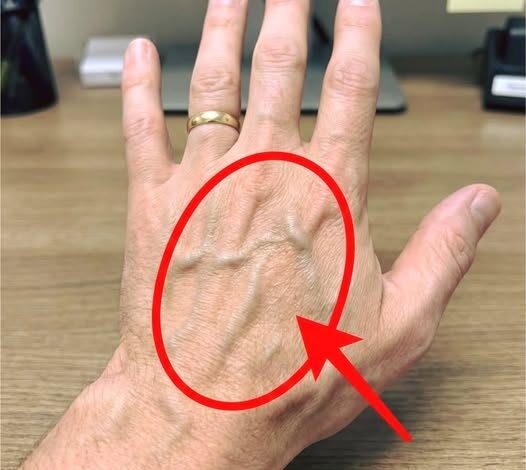
Visible veins are a common physical feature that many people notice at some point in their lives. In most cases, they are entirely normal and reflect natural variations in the body rather than a medical problem.
Veins may appear more noticeable due to several harmless factors, including skin tone, body fat percentage, age, and physical activity levels. These influences can make veins look more prominent without indicating any underlying health concern.
For example, individuals with lower body fat often have more visible veins because there is less tissue covering them. Athletes and physically active people frequently notice this effect, especially after exercise when blood flow increases.
Skin thickness and tone also play a role in how visible veins appear. People with lighter or thinner skin may naturally see their veins more clearly, especially in areas like the hands, arms, and feet.
Temperature can temporarily affect vein visibility as well. In warm conditions, blood vessels expand to help regulate body temperature, making veins appear more pronounced for a short period.
Aging is another factor that can make veins easier to see. As people get older, the skin gradually becomes thinner and loses some elasticity, allowing veins to show more clearly beneath the surface.
It is important to understand that visible veins alone do not usually indicate poor circulation. Circulation problems tend to present with additional symptoms that go beyond simple changes in appearance.
Poor circulation occurs when blood flow is reduced or impaired in certain areas of the body. This condition can affect arteries, veins, or both, depending on the underlying cause.
Common signs of poor circulation include persistent numbness, tingling sensations, cold hands or feet, and pain during movement. These symptoms reflect reduced oxygen delivery to tissues rather than vein visibility.
Another sign of circulation problems can be swelling, particularly in the legs, ankles, or feet. This often occurs when blood or fluid does not move efficiently back toward the heart.
Skin changes may also signal circulation issues. These can include discoloration, dryness, or wounds that take longer than usual to heal, especially in the lower extremities.
In contrast, simply having visible veins without any discomfort or additional symptoms is typically harmless. Many healthy individuals have prominent veins without experiencing any circulation-related problems.
However, there are situations where visible veins may be associated with specific vein conditions. Understanding these differences can help distinguish normal features from potential medical concerns.
One common condition is varicose veins, which are enlarged, twisted veins that often appear in the legs. They develop when the valves inside veins weaken or fail to function properly.
These valves normally help blood flow in one direction, toward the heart. When they do not work correctly, blood can pool in the veins, causing them to swell and become more visible.
Varicose veins may cause symptoms such as aching, heaviness, itching, or swelling in the affected area. In some cases, they can also lead to discomfort after long periods of standing or sitting.
Another related condition is chronic venous insufficiency, which occurs when veins struggle to return blood efficiently to the heart. This condition can develop gradually over time and may worsen if left untreated.
Symptoms of chronic venous insufficiency can include persistent swelling, skin thickening, and changes in skin color. In more advanced cases, it may lead to the development of ulcers or open sores.
These conditions are different from simply having visible veins, as they involve functional problems within the vein system. The presence of symptoms is a key factor in identifying potential issues.
It is also important to recognize signs that may indicate a more serious condition requiring medical attention. Certain symptoms should not be ignored, especially when they appear suddenly or worsen over time.
For instance, a painful, swollen leg may indicate a blood clot in a deep vein, a condition that requires prompt medical evaluation. This is often accompanied by warmth and tenderness in the affected area.
Sudden changes in vein appearance, such as rapid swelling or hardening, may also signal an underlying problem. These changes should be assessed by a healthcare professional to rule out complications.
Persistent pain, heaviness, or cramping in the legs during walking may suggest reduced blood flow. This type of discomfort is different from temporary muscle fatigue and may require further investigation.
Cold extremities, especially when combined with numbness or tingling, can also indicate circulation issues. These symptoms suggest that blood is not reaching certain areas effectively.
Skin discoloration, such as a bluish or reddish tone, may be another warning sign. Changes in skin appearance often reflect underlying vascular problems that should not be overlooked.
Slow-healing wounds or sores, particularly on the feet or legs, can be a sign of impaired circulation. Proper blood flow is essential for healing, and delays may indicate a deeper issue.
If visible veins are accompanied by any of these symptoms, it is advisable to seek medical advice. Early evaluation can help identify potential problems and prevent complications from developing.
In terms of prevention and overall vascular health, lifestyle habits play an important role. Maintaining healthy circulation involves a combination of physical activity, proper nutrition, and general wellness practices.
Regular exercise is one of the most effective ways to support blood flow. Activities such as walking, swimming, or cycling help stimulate circulation and strengthen the cardiovascular system.
Movement is especially important for people who spend long periods sitting or standing. Taking breaks to stretch or walk can help prevent blood from pooling in the legs.
Staying hydrated also supports circulation by maintaining proper blood volume and consistency. Dehydration can make blood thicker, which may affect how efficiently it flows through vessels.
Avoiding smoking is another critical factor in maintaining healthy circulation. Smoking damages blood vessels and reduces oxygen delivery, increasing the risk of vascular problems over time.
Managing chronic conditions such as high blood pressure, diabetes, and high cholesterol is equally important. These conditions can affect blood vessels and increase the likelihood of circulation issues.
A balanced diet that includes fruits, vegetables, whole grains, and healthy fats can support overall vascular health. Nutrients such as fiber and antioxidants play a role in maintaining healthy blood vessels.
Some people explore supplements or herbal remedies that are often promoted for circulation. These may include plant-based extracts and natural compounds believed to support vascular function.
However, it is important to approach such products with caution. Scientific evidence supporting their effectiveness varies, and they should not be considered a replacement for medical treatment.
Certain supplements may also interact with medications or increase the risk of side effects. For this reason, it is advisable to consult a healthcare professional before starting any new supplement.
Simple daily habits can also contribute to better circulation. Elevating the legs, wearing comfortable clothing, and avoiding prolonged inactivity can help improve blood flow.
Compression garments are sometimes recommended for individuals with vein-related issues. These garments apply gentle pressure to the legs, helping blood move more efficiently toward the heart.
Maintaining a healthy weight can reduce strain on the circulatory system. Excess weight can increase pressure on veins, particularly in the lower body, contributing to vein-related conditions.
It is also helpful to pay attention to posture and body positioning. Crossing legs for long periods or sitting in one position can restrict blood flow and should be avoided when possible.
For those who notice changes in their veins, monitoring symptoms over time can provide useful information. Keeping track of any discomfort, swelling, or skin changes can help guide medical discussions.
In many cases, visible veins remain stable and do not progress into any medical condition. They are simply a reflection of individual anatomy and lifestyle factors rather than a sign of disease.
Understanding the difference between normal vein visibility and potential warning signs can help reduce unnecessary चिंता while ensuring that important symptoms are not overlooked.
Education and awareness play a key role in maintaining vascular health. Knowing when to seek medical advice can make a significant difference in early detection and effective management.
It is always better to address concerns early rather than wait for symptoms to worsen. A simple medical evaluation can provide reassurance or identify issues that require attention.
Overall, visible veins are usually a normal and harmless feature. They often reflect natural characteristics such as genetics, body composition, and daily activity levels.
What matters most is not the appearance of veins alone, but whether they are accompanied by other symptoms that suggest a problem with circulation or vein function.
By focusing on overall health, staying active, and being attentive to changes in the body, individuals can support their circulation and reduce the risk of potential complications.
If there is ever uncertainty or concern, seeking professional advice is a practical and responsible step. Accurate information and proper evaluation are essential for maintaining long-term health.
In conclusion, visible veins are rarely a cause for concern on their own. They are most often a normal variation of the human body and do not indicate poor circulation in the absence of other symptoms.
Paying attention to the broader picture of health, including lifestyle and physical symptoms, provides a more accurate understanding of circulation and overall well-being.