These are the signs that he is cr…
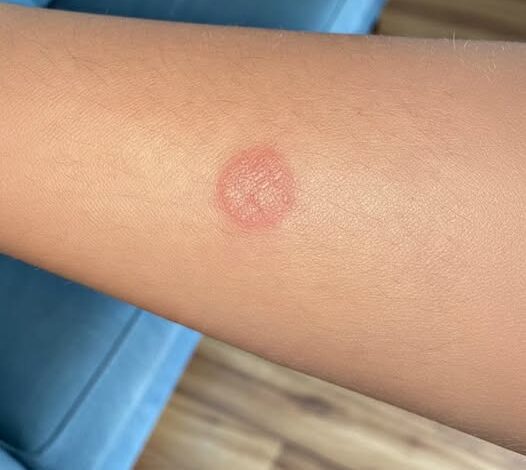
That faint, itchy patch on your skin can seem easy to dismiss at first. It might look small, harmless, something you assume will fade on its own. Many people treat it as just another minor irritation—a temporary rash, maybe caused by dryness, heat, or something that touched the skin. But sometimes, what appears insignificant at the beginning can develop into something more persistent if it isn’t recognized early.
One such condition is Ringworm—a common fungal infection that can quietly spread if left untreated. Despite its name, it isn’t caused by a worm, but by fungi that live on the skin, hair, and nails. These organisms thrive in warm, moist environments, which makes everyday conditions—like sweat, tight clothing, or damp fabrics—ideal for their growth.
In the early stages, the signs can be subtle. A small, itchy area may appear, sometimes slightly red or dry. Over time, it can develop into a more defined pattern, often forming a circular or ring-like shape with clearer skin in the center. Because the progression can be gradual, it’s easy to overlook or delay taking action, especially if the discomfort is mild at first.
What makes this condition important to recognize is not just how it affects the skin, but how easily it can spread. The fungi responsible can transfer through direct skin contact, shared personal items, or even surfaces and fabrics that have been contaminated. Clothing, towels, bedding, and sports equipment can all act as carriers if they are not cleaned regularly.
Pets can also play a role. Animals such as cats and dogs may carry the infection without showing obvious symptoms, or they may develop small areas of hair loss or scaly skin. Because of this, close contact with pets—especially if they are not examined or treated—can contribute to transmission within a household.
Preventing the spread begins with consistent daily habits. Keeping the skin clean and dry is one of the most effective steps. Areas that tend to trap moisture, such as underarms, feet, or skin folds, should be dried thoroughly after washing or sweating. Changing out of damp clothing as soon as possible helps reduce the environment in which fungi grow.
Laundry also plays an important role. Towels, socks, and bedsheets should be washed regularly, especially if they come into contact with affected areas. This reduces the chance that fungal spores remain on fabrics and return to the skin. Avoiding the sharing of personal items—such as clothing, combs, or towels—further limits the risk of spreading the infection to others.
If a suspicious rash appears, it’s important to respond appropriately. Not all skin conditions are the same, and using treatments that are not suited to the cause can make things worse. For example, some creams may reduce redness temporarily without addressing the underlying issue, allowing the infection to continue spreading. Proper antifungal treatments, recommended by a healthcare professional, are designed to target the cause directly.
Seeking medical advice when needed ensures that the condition is identified correctly and managed effectively. A dermatologist can confirm the diagnosis and recommend treatment that matches the severity and location of the infection. Early treatment often leads to quicker resolution and reduces the likelihood of spreading.
Supporting overall health can also make a difference. A well-functioning immune system helps the body respond to infections more effectively. Adequate sleep, balanced nutrition, and managing stress all contribute to maintaining that balance. While these factors do not replace treatment, they support the body’s ability to recover.
What often makes conditions like this more challenging is not their severity at the beginning, but how easily they are overlooked. A small patch of irritation can remain minor if addressed early, or it can expand if ignored. Awareness, combined with simple and consistent care, helps prevent that progression.
In the end, it’s not about reacting to something once it becomes serious—it’s about recognizing the early signs and taking steps before it spreads further.
Because sometimes, what starts as something small is easiest to manage when it’s noticed early.