The ‘Little House on the Prairie’ Cast Pays Tribute to a Cherished Family Member
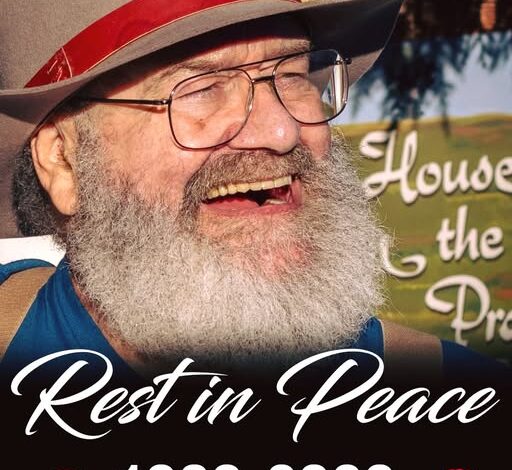
Within communities built around long-running television series, connections often extend far beyond the screen. The world of Little House on the Prairie is one such example, where cast members, families, and fans have maintained a sense of shared history across decades. Recently, members of this extended community shared reflections regarding Victor French Jr., the son of actor Victor French, known for his role as Mr. Edwards in the original series.
The discussion, which emerged through community platforms and anniversary-related conversations, brought a reflective tone among those who had followed both the show and the people connected to it. While details surrounding personal matters are often kept private, what became most visible in these conversations was not just remembrance, but appreciation for the presence Victor French Jr. held within this close-knit group.
A Life Connected to a Legacy, But Not Defined by It
Being the child of a well-known television actor often comes with expectations that are difficult to navigate. Victor French Jr. was born in an era when his father’s work was widely recognized, especially through the role of Mr. Edwards, a character that left a strong emotional impression on audiences of Little House on the Prairie.
However, those who encountered Victor Jr. over the years often described him not as someone overshadowed by legacy, but as someone who carried it with quiet understanding. Rather than attempting to replicate or compete with his father’s public identity, he appeared to maintain a more personal relationship with that history.
This approach allowed him to remain connected to the show’s community in a way that felt natural and grounded, rather than performative or driven by public expectation.
Remembered by Those Who Knew Him Personally
Within fan gatherings, anniversary events, and informal community spaces, Victor French Jr. was often described as approachable and sincere. Cast members and collaborators who interacted with him shared memories that emphasized warmth rather than spectacle.
Alison Arngrim, among others associated with the Little House on the Prairie cast, has spoken in various contexts about individuals connected to the show who contributed to its ongoing legacy. In reflections shared by community members, Victor Jr. was often included in conversations about people who maintained a genuine connection to the series’ extended family atmosphere.
Dean Butler and other figures connected to the show’s history have similarly described the importance of continuity among those who return to celebrate its legacy, highlighting how certain individuals bring consistency and familiarity to reunions and events.
Presence That Was Felt More Than Displayed
One recurring theme in recollections about Victor French Jr. is that he did not seek attention within the spaces he entered. Instead, he contributed in quieter, more personal ways—through conversation, shared memories, and a willingness to engage with fans and fellow cast associates without formality.
These kinds of interactions are often what define long-term impressions in fan communities. While public attention tends to focus on major figures and headline moments, the lasting emotional memory of a community is often shaped by smaller, more human exchanges.
In this sense, his presence is often described as steady rather than prominent, consistent rather than performative.
The Role of Memory in Long-Standing Television Communities
Television series such as Little House on the Prairie continue to exist not only through reruns and archives but through the communities that preserve their meaning. Fans and cast members alike often participate in shared remembrance that keeps the emotional tone of the series alive across generations.
Within this environment, individuals connected to the original production or its legacy families often become symbolic links between past and present. Their participation in events, podcasts, and discussions helps maintain continuity, even decades after the original broadcast.
Victor French Jr.’s involvement in this space, as reflected in community discussions, contributed to that ongoing sense of connection.
A Community Response Rooted in Respect
When conversations about personal loss or remembrance arise within such communities, the tone is often measured and respectful. Rather than focusing on sensational details, discussions tend to emphasize gratitude, shared history, and appreciation for the time individuals contributed to the collective experience.
In this case, reflections shared within Little House on the Prairie circles have followed a similar pattern. The emphasis has been placed on presence, kindness, and the quieter ways individuals contribute to a lasting legacy.
These responses highlight how deeply audience communities can remain connected to the people behind the stories they love.
The Importance of Quiet Contributions
Not every legacy is built through visible achievement or public recognition. In many cases, influence is carried through consistency, reliability, and the ability to maintain meaningful relationships over time.
Within entertainment communities, especially those formed around long-running series, these quieter contributions often become just as important as the work seen on screen.
Victor French Jr. is remembered within this context not through dramatic public narratives, but through the steady impressions left on those who interacted with him personally.
Reflection on Legacy and Continuity
The concept of legacy within television history is often complex. While actors are remembered for their performances, their families and close connections sometimes become part of the broader cultural memory associated with the work itself.
In the case of Little House on the Prairie, the legacy extends beyond the original cast and into the community that continues to engage with its themes and stories.
Within that extended network, individuals like Victor French Jr. become part of the ongoing narrative—not as central figures in the original production, but as part of its living memory.
What Remains in Collective Memory
Over time, what remains most clearly in community memory is not always factual detail, but emotional impression. People remember how others made them feel, how they contributed to shared experiences, and how they carried themselves in moments of connection.
In this way, remembrance becomes less about public record and more about personal impact.
Victor French Jr.’s name appears in these reflections as part of that ongoing process of remembrance within the Little House on the Prairie community.
Final Reflection
In long-standing creative communities, memory is not fixed—it evolves through stories, shared conversations, and collective reflection. Some individuals remain remembered for their public roles, while others are remembered for the quieter presence they brought into shared spaces.
In this case, the reflections surrounding Victor French Jr. emphasize presence, kindness, and continuity within a beloved television community. And while time continues to move forward, these qualities remain what many people hold onto most strongly.
Because in the end, legacy is not only about what is seen on screen. It is also about what is felt between people—and what continues to be remembered long after moments have passed.