The Hidden Hantavirus Risk in Your Home — And the Simple Trick Some Families Swear By to Keep Rats Away
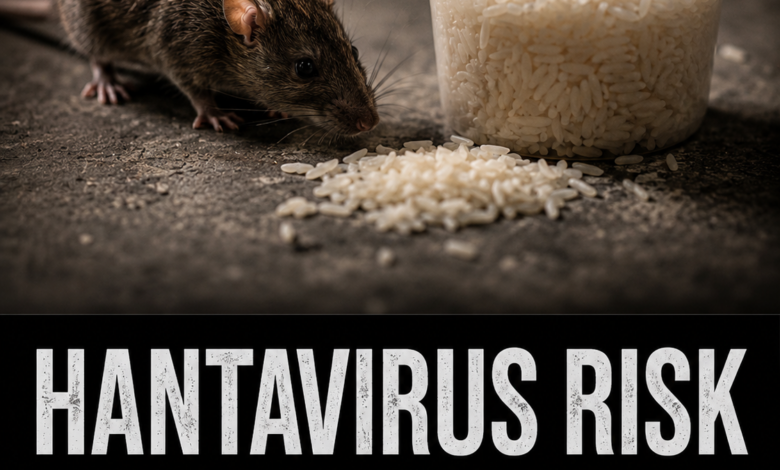
Most people never think twice when they hear scratching behind a wall or notice a few crumbs missing from the kitchen floor. It feels like one of those normal household annoyances that can wait until tomorrow. But health experts continue to warn that rodents are more than just unwanted visitors. In some situations, they may carry dangerous bacteria and viruses that spread quietly through homes without anyone realizing it.
One of the illnesses that has recently sparked concern online is hantavirus, a rare but serious virus linked to rodents and their droppings. Although cases remain uncommon, stories circulating on social media have pushed many families to start paying closer attention to hidden pest activity inside garages, basements, attics, and kitchens.
Over the past few months, homeowners across different communities have shared videos and photos showing sudden increases in rats and cockroaches around food storage areas. Some blamed changing weather patterns, while others pointed to overflowing trash, abandoned buildings, or seasonal infestations. Whatever the reason, the conversations have created a wave of concern among people trying to keep their homes safe and clean.
Now, many families are turning toward low-cost home methods that claim to help reduce rodent activity naturally without relying heavily on expensive exterminators or harsh chemicals. One simple pantry ingredient keeps appearing in those discussions again and again: rice.
At first glance, it sounds strange. Rice is something most people already keep in their kitchen cabinets. But according to countless online posts and home-cleaning forums, some homeowners believe certain rice-based mixtures may help attract rodents into controlled areas where traps or deterrents can work more effectively.
Some people place small bowls of uncooked rice mixed with strong scents like peppermint oil, garlic powder, or crushed bay leaves near hidden corners, storage spaces, or under sinks. Others claim combining rice with sealed bait stations helps monitor rodent activity more quickly than traditional methods alone.
Experts say there is limited scientific evidence proving rice itself prevents infestations, but many agree that monitoring pest activity early can make a major difference before a problem grows worse. Prevention remains the most important step.
Health specialists continue to recommend sealing cracks in walls, keeping food containers tightly closed, cleaning crumbs immediately, and removing standing water wherever possible. Rodents are often attracted to easy food sources and dark shelter areas, especially during colder months.
The fear surrounding hantavirus comes largely from how easily people can overlook exposure. According to public health guidance, the virus can spread through contact with contaminated rodent droppings, saliva, or urine particles in poorly ventilated areas. That’s why experts advise wearing gloves and masks when cleaning heavily infested spaces like attics, sheds, or abandoned rooms.
Many viral social media posts exaggerate the risks, with some users claiming “one rat can infect an entire home overnight.” Professionals say that statement is misleading, but they also stress that ignoring rodent problems entirely is never a good idea. Even without viruses, rats and cockroaches can contaminate food, damage wiring, and create unhealthy living conditions.
In neighborhoods where infestations became severe, residents described hearing scratching noises late at night, discovering chewed food packaging, and noticing strange smells coming from walls or cabinets. For some families, the situation became stressful enough that they started researching every possible home solution they could find online.
That’s partly why rice-based tricks exploded across Facebook groups, TikTok videos, and home-improvement forums. The method feels simple, inexpensive, and accessible. Whether every claim is true or not, millions of people have become curious enough to try it themselves.
Some homeowners also combine rice setups with natural deterrents believed to discourage rodents from staying indoors. Strong scents such as vinegar, peppermint, eucalyptus oil, cinnamon, and garlic are commonly mentioned in online discussions. While these approaches may not eliminate serious infestations completely, many people say they help reduce activity when paired with proper cleaning and prevention habits.
Pest-control professionals caution against relying entirely on internet trends. Severe infestations often require expert treatment, especially when rodents begin nesting inside walls or ventilation systems. Still, they acknowledge that small preventive habits can make homes less attractive to pests in the first place.
Another reason these stories spread so quickly online is the fear factor surrounding diseases connected to rodents. Headlines mentioning viruses immediately capture attention, especially when paired with dramatic photos or personal experiences. In reality, experts say staying calm, informed, and proactive is far more effective than panic.
Communities dealing with increased rodent sightings have also started encouraging neighbors to work together. Overflowing garbage bins, abandoned food containers, and outdoor clutter can attract pests to entire streets, not just individual homes. That’s why some neighborhoods are organizing cleanup efforts and awareness campaigns focused on prevention.
Parents have become especially cautious after reading alarming posts online. Many are now checking storage areas more often, inspecting garages for droppings, and teaching children not to touch unknown animals or nests. Even small lifestyle changes, like storing pet food securely and cleaning kitchens before bed, can reduce the chances of attracting pests.
Interestingly, some pest-control companies reported spikes in service calls shortly after viral hantavirus posts started trending online. Fear spreads quickly on social media, and many people would rather act early than wait until a small problem becomes a major one.
Still, experts emphasize that not every mouse or rat sighting should trigger panic. The key is awareness, cleanliness, and prevention. Small warning signs ignored over time can eventually create larger problems that become harder to manage.
For now, the “rice trick” remains one of the internet’s most talked-about home pest discussions. Whether used as part of monitoring routines or combined with other natural deterrents, many homeowners continue sharing stories claiming it helped them notice rodent activity earlier than expected.
What’s clear is that people are becoming more aware of the hidden health risks pests may bring into homes — and they are searching for affordable ways to protect their families before problems spiral out of control.
As online conversations continue growing, one thing remains certain: prevention, awareness, and early action are still the strongest tools any homeowner can use to keep their living spaces safer, cleaner, and far less inviting to unwanted pests.