Tricky Photos That Will Make You Look Twice: Strange Images From Perfect Angles
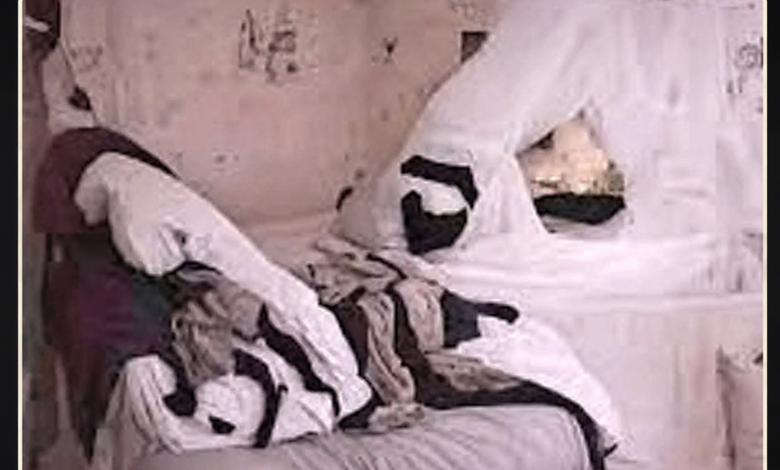
Sometimes the most unbelievable photos are not created with expensive editing software or artificial effects. Instead, they happen naturally when perfect timing, unusual angles, lighting, and perspective come together for a single unforgettable moment. These accidental “trick” photos continue to fascinate millions of people online because they force the brain to pause and look twice before understanding what is actually happening. Human vision relies heavily on assumptions and patterns.
So when a photo briefly breaks those expectations, the result can feel confusing, hilarious, or even impossible. Many of these images become viral because they remind people that reality can appear completely different depending on where someone is standing and how a moment is captured. One of the most common types of accidental illusion happens when an image appears shocking at first glance but becomes harmless after closer inspection. A simple shadow, reflection, or body position can completely change the meaning of a photograph.
This is why captions like “Not what you think” often accompany viral images online. The brain instantly tries to interpret shapes and outlines based on familiar experiences, sometimes leading viewers toward the wrong conclusion within seconds. Once the full context becomes clear, the confusion quickly turns into laughter. These harmless misunderstandings have become one of the internet’s favorite forms of visual entertainment because they challenge perception without requiring any editing at all.

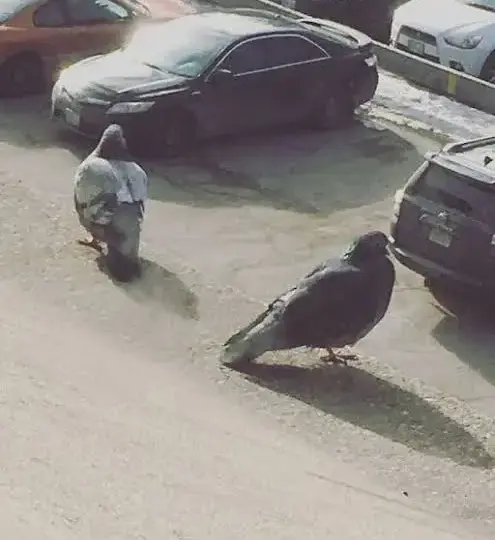
Perspective is one of the strongest tools behind these optical illusions. A person standing closer to the camera can appear much larger than objects far away in the background. Birds sitting near a camera lens may suddenly look enormous, almost like prehistoric creatures towering above buildings or streets. This effect explains why certain photos seem to show the “biggest bird on Earth” even though the animal itself is completely ordinary in size. The brain expects all parts of the image to exist at the same distance, so unusual perspective tricks create scenes that feel impossible until viewers carefully analyze them.
These photos often spread quickly online because people enjoy trying to figure out exactly how the illusion works. Human bodies and clothing also create endless opportunities for accidental visual confusion. A man relaxing at the beach in a swimsuit can suddenly appear to have someone else’s legs or body because another person is positioned perfectly behind him. For several seconds, the image may look completely unnatural, forcing viewers to study every detail before separating the two individuals correctly. Similar illusions happen in crowded places where arms, hands, or legs overlap at unusual angles.

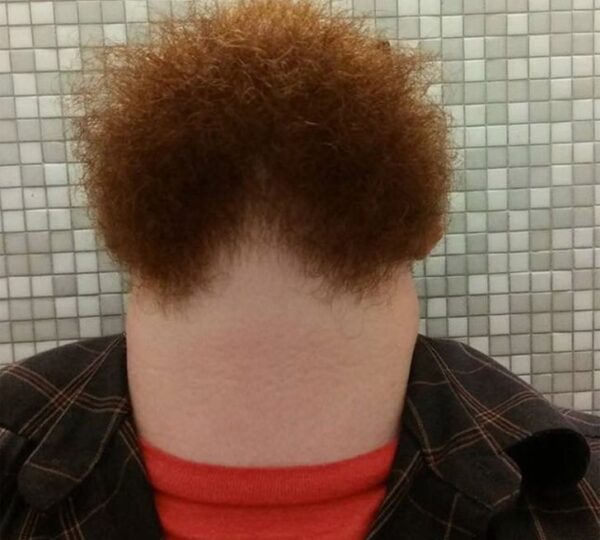
A photo may appear to show extra limbs or distorted body proportions simply because multiple people happened to move into the exact right position at the perfect moment. Beards have become unexpectedly famous online for creating strange illusions as well. When bearded men tilt their heads backward and look upward, their neck and facial hair can create the appearance of an entirely different face. Without visible eyes or facial features in their normal positions, the brain suddenly interprets the beard as hair and the neck as a second head. The result is often both funny and slightly unsettling.
Images like these become popular because they reveal how easily the brain can be tricked by simple changes in orientation. Something completely ordinary can instantly become bizarre when viewed from an unfamiliar angle. Lighting also plays a major role in accidental visual tricks. Bright sunlight, shadows, reflections, and artificial lighting can all transform simple scenes into confusing illusions. A reflection on a window might resemble a fire inside a building, while sunlight hitting a shiny surface can create the illusion of glowing objects floating in the air.
At sunset, clouds and buildings often take on dramatic colors that make everyday landscapes appear surreal or cinematic. These moments are especially captivating because they are temporary. The illusion may last only a few seconds before the lighting changes and the scene returns to normal. Some trick photos become memorable because they unintentionally resemble emotional expressions or human behavior. A tree bent by strong winds may appear frightened or shocked.

A cracked object might look like a smiling face. Even random arrangements of household items can suddenly resemble familiar emotions or personalities. This phenomenon happens because the human brain naturally searches for recognizable facial patterns everywhere. Scientists call this tendency pareidolia. It explains why people often see faces in clouds, buildings, rocks, or food. Although the objects themselves are ordinary, the brain transforms them into something meaningful through interpretation.
Animals are particularly effective at creating visual illusions because of their unpredictable movement and unique fur patterns. Certain cats have markings that resemble open eyes above their real eyes. When the animal sleeps with its eyelids closed, it can appear fully awake and staring directly at people nearby. Dogs caught mid-motion in photographs may seem to float or twist unnaturally because the camera freezes movement at unusual moments. Birds spreading their wings at the exact right angle can appear much larger than they really are. These accidental images often look so strange that viewers initially believe they must be digitally altered, even when they are completely genuine.
Social media has helped turn accidental trick photography into a worldwide form of entertainment. Millions of people now share confusing or funny images online every day, inviting others to solve the visual puzzle hidden inside the photo. Captions such as “Confused?” or “Look again” encourage viewers to slow down and carefully examine what they are seeing. This interaction creates curiosity and engagement because the brain enjoys solving visual mysteries. Once people finally understand the illusion, they often feel satisfaction mixed with amusement, making the images highly shareable across the internet.
These accidental photos also reveal something important about human perception. People often assume their eyes show reality exactly as it is, but vision actually depends heavily on interpretation. The brain constantly makes quick decisions based on patterns, expectations, and past experiences. Most of the time this process works perfectly and helps people react quickly to the world around them. However, trick photos expose the small mistakes the brain can make when presented with incomplete or unusual visual information. They remind people that perspective matters and that first impressions are not always accurate.
Photography itself has become more powerful because of smartphones and social media platforms. In the past, strange visual moments might have gone unnoticed or quickly forgotten. Today, anyone can capture an unusual scene instantly and share it with millions of people within minutes. This accessibility has created an endless collection of accidental illusions from around the world. Some images become famous because they appear impossible, while others gain attention simply because they are funny or strangely beautiful. Regardless of the reason, these photos continue to fascinate audiences because they combine surprise, humor, and curiosity in a way that feels natural and authentic.
Many of the most successful trick photos are completely harmless and innocent despite appearing dramatic at first glance. This is part of what makes them so entertaining. A photo labeled “What…” may initially seem shocking or confusing until viewers notice the hidden perspective trick that explains everything. The tension created during those first few seconds keeps people engaged and encourages them to look more carefully. Once the illusion is understood, the image often becomes even more enjoyable because the brain appreciates the cleverness of the accidental composition.
Even relationships and social situations can become part of these visual misunderstandings. A photo of a couple standing at an unusual angle may create the illusion of mismatched proportions or overlapping body parts, leading to humorous captions like “confused happy marriage.” These images are rarely staged intentionally. Instead, they happen naturally because cameras flatten depth and combine different visual layers into a single frame. The brain then struggles to separate those layers correctly, creating temporary confusion that viewers find amusing.
Experts in psychology and neuroscience often study optical illusions because they provide valuable insight into how human perception works. The brain does not simply record reality like a camera. Instead, it actively builds an interpretation of the environment using available information. This process is fast and efficient but not always perfect. Trick photos reveal the shortcuts the brain takes when processing visual information. By studying these mistakes, scientists learn more about attention, memory, and pattern recognition. What feels like a simple funny photo is actually connected to complex cognitive processes happening inside the mind every second.
The popularity of accidental illusion photography also highlights humanity’s natural attraction to mystery and surprise. Everyday life can often feel predictable, so moments that challenge perception create excitement and curiosity. A simple image suddenly becomes unforgettable because it temporarily breaks the brain’s normal understanding of reality. These small visual puzzles encourage people to slow down, pay attention, and question their assumptions about what they are seeing. In a world filled with fast-moving information, that brief pause can feel refreshing and entertaining.
At the same time, these images remind people not to trust first impressions too quickly. Many visual misunderstandings happen because the brain rushes to conclusions before examining details carefully. This lesson extends beyond photography and into everyday life. Just as a harmless photo can initially appear shocking, real situations can also seem different once people take the time to look more closely. Perspective, context, and patience often reveal truths that are not obvious at first glance.
The internet continues to discover new trick photos every day because the world naturally produces endless opportunities for visual confusion. Shadows, reflections, movement, weather, and perspective constantly interact in unpredictable ways. A single second of perfect timing can transform an ordinary scene into something unforgettable. Whether it is a giant-looking bird, a confusing swimsuit photo, strange overlapping hands, or a bearded face illusion, these accidental masterpieces prove that reality itself can sometimes be more creative than digital editing.
Ultimately, the enduring appeal of these photos comes from their ability to surprise people in simple and harmless ways. They create moments of laughter, curiosity, and wonder without needing special effects or complicated explanations. They remind viewers that the world still contains unexpected magic hidden inside ordinary moments. Sometimes all it takes is the perfect angle, the right lighting, and one carefully timed photograph to completely confuse the human brain for a few unforgettable seconds.