Hantavirus Outbreak on Cruise Ship Sparks Global Concern as New Cases Emerge and Passengers Are Repatriated
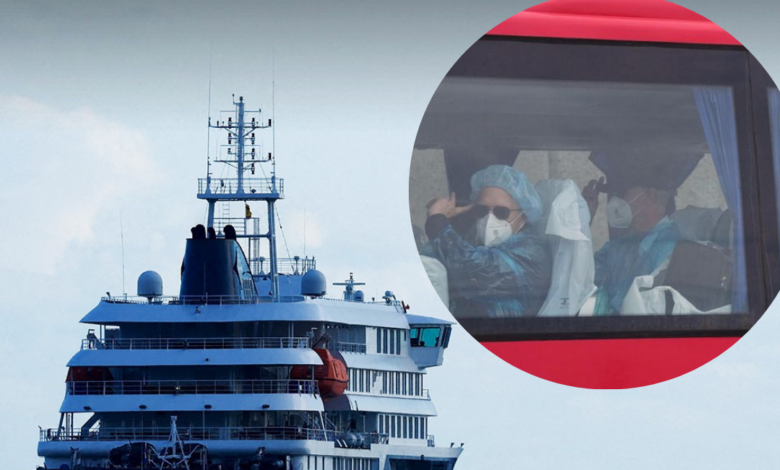
A recent health scare has drawn global attention
after a cruise ship outbreak linked to hantavirus
triggered emergency responses across multiple countries
authorities confirmed new positive cases onboard
raising fears of wider international exposure
The situation began when passengers started showing symptoms
while traveling on the MV Hondius cruise ship
initial cases were mild but rapidly escalated
prompting medical isolation measures at sea
and urgent coordination between health agencies
Hantavirus is a rare but potentially severe disease
usually associated with exposure to infected rodents
however some strains can spread between humans
making outbreaks in closed environments particularly dangerous
such as cruise ships or remote travel settings
Health officials confirmed multiple confirmed infections
including passengers who had already returned home
this raised concerns about international transmission
and led to increased monitoring in several countries
especially among repatriated travelers
The cruise ship involved had over 100 passengers
and crew members from various nationalities worldwide
after the outbreak was identified evacuation procedures began
with strict isolation and testing protocols enforced
to prevent further spread onboard
Several passengers required hospitalization after symptoms worsened
including respiratory distress and severe fatigue
medical teams worked quickly to stabilize patients
while coordinating air transfers for critical cases
Authorities confirmed that multiple countries were affected
as passengers returned home before diagnosis was finalized
this complicated contact tracing efforts significantly
and increased pressure on global health systems
monitoring possible secondary infections
The World Health Organization was involved in the response
issuing guidance on isolation and monitoring procedures
they emphasized caution due to potential human transmission
especially in close-contact environments like ships
or enclosed travel systems
Some countries followed stricter isolation protocols than others
with recommended quarantine periods extending several weeks
while other health agencies opted for shorter monitoring
leading to differences in international response strategies
and public health debate
Symptoms of hantavirus include fever and muscle pain
along with fatigue and gastrointestinal complications
in severe cases it can affect lung function rapidly
requiring intensive care and respiratory support
if not treated early
On the cruise ship, passengers were seen wearing protective gear
including masks, gowns, and face coverings during evacuation
this was done to minimize exposure risk during disembarkation
and ensure safe transport to medical facilities
onshore
The outbreak reportedly began during the voyage route
which passed through regions where rodent exposure is possible
investigations are ongoing to determine the exact source
and whether environmental contamination played a role
in initial infection spread
Some crew members also tested positive during screening
leading to isolation measures for remaining staff onboard
this ensured continuity of safety protocols during transfer
while reducing risk to evacuation teams
and port authorities
International health officials highlighted low overall risk
of widespread global transmission outside the ship environment
however they stressed importance of early detection systems
and rapid containment in confined travel settings
to prevent future outbreaks
The cruise operator cooperated with authorities fully
implementing emergency medical procedures immediately
including passenger separation and onboard testing
as well as coordination with international health agencies
for evacuation planning
Several repatriated passengers were transported in medical units
designed for high-risk infectious disease containment
ensuring safe air travel back to home countries
without exposing flight crews or other passengers
during transport
Families of affected passengers were placed under observation
as part of precautionary contact tracing efforts
local health authorities monitored for any symptom development
and provided medical support where needed
during quarantine periods
Experts note that hantavirus outbreaks remain rare globally
but can become serious in enclosed environments quickly
especially where early symptoms are not immediately recognized
leading to delayed isolation and response
in travel settings
The ship eventually returned to port under controlled conditions
with only essential crew and medical staff remaining onboard
while passengers had already been evacuated safely
under strict health supervision protocols
to prevent further spread
Public health agencies continue monitoring all confirmed cases
tracking recovery progress and possible complications
most patients are receiving supportive treatment
with outcomes depending on severity of infection
and timing of intervention
Authorities in multiple countries issued health advisories
urging travelers to report symptoms promptly
especially after returning from international voyages
or high-risk environments such as cruises
or remote expeditions
The outbreak has raised questions about cruise safety protocols
and how quickly infectious diseases can spread at sea
leading to renewed discussions about preventive screening
and onboard medical preparedness standards
for future voyages
Despite concern, officials continue to emphasize low risk
of large-scale hantavirus pandemics globally
stating that transmission requires specific conditions
and is not easily spread in general population
outside controlled environments
Recovery efforts are ongoing for affected passengers
with medical teams closely observing all confirmed cases
while conducting long-term follow-ups for complications
and ensuring full recovery support
for international patients
Investigations into the outbreak are still active
with findings expected to improve future prevention strategies
especially for cruise travel and group tourism
where close contact can amplify infectious risks
if not properly managed