Parents Jailed After Years of Extreme Isolation Raise Questions About Fear, Family, and Long-Term Mental Health
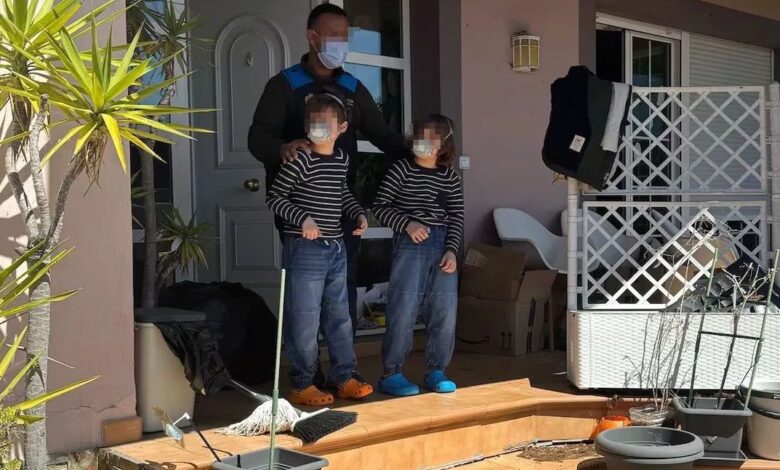
What began as growing fear during the global pandemic slowly transformed into one of the most disturbing family isolation cases investigators in Spain say they have ever encountered. Authorities allege that three children were kept almost entirely cut off from the outside world for years, rarely experiencing normal childhood routines such as school, friendships, playgrounds, or ordinary social interaction. The case has sparked emotional debates online about mental health, parental responsibility, and how prolonged fear can dramatically alter family life behind closed doors.
According to reports surrounding the investigation, neighbors first became concerned after noticing the complete absence of the children from daily community life. Residents reportedly never saw them attending school activities, playing outdoors, or interacting with other children in the area. Over time, these observations created growing suspicion that something unusual was happening inside the home, eventually leading to official intervention.
When authorities entered the residence, investigators described conditions that reflected years of severe isolation and anxiety-driven behavior. Reports claimed the children had spent extended periods indoors with extremely limited outside contact, while daily routines inside the house revolved heavily around health fears and strict control measures. Officials later suggested the parents may have been experiencing severe forms of anxiety connected to the pandemic period, though investigators continue reviewing the full psychological circumstances surrounding the case.
The story quickly spread across social media platforms, where millions reacted with shock, sympathy, anger, and concern. Some focused on the long-term emotional impact on the children, while others debated how fear and misinformation during global crises can affect vulnerable individuals in extreme ways. Mental health professionals speaking publicly about similar situations explained that prolonged isolation can deeply affect childhood development, emotional regulation, confidence, communication skills, and overall well-being.
Experts also note that children rely heavily on consistent social interaction during key developmental years. Friendships, classrooms, outdoor play, and simple day-to-day experiences help shape emotional growth and confidence. When those experiences disappear for long periods, rebuilding normal routines can become extremely difficult and may require years of support and recovery.
Community members in the area described the case as deeply unsettling because the family appeared outwardly quiet and private, with few obvious warning signs visible from outside the home. That contrast has led to wider conversations online about how hidden struggles can exist unnoticed even in ordinary neighborhoods. Many readers expressed concern about the importance of checking on vulnerable families, maintaining community awareness, and recognizing signs of emotional distress before situations escalate further.
At the same time, online discussions have highlighted the broader psychological impact the pandemic had on millions of people worldwide. While most families gradually returned to normal life after restrictions eased, some individuals reportedly continued experiencing intense fear, anxiety, and social withdrawal long afterward. Mental health specialists say these lingering emotional effects remain an important issue that communities and healthcare systems continue addressing today.
The case has also reignited debates around parenting, protection, and the balance between caution and emotional well-being. While many parents understandably acted carefully during uncertain periods, experts emphasize that prolonged fear-based isolation can create unintended emotional harm when normal childhood experiences disappear completely. Maintaining emotional connection, social growth, and healthy routines remains essential for long-term development.
As investigations continue and the children receive professional care and support, the story continues attracting widespread public attention across news platforms and social media. Readers remain drawn not only by the shocking nature of the allegations, but also by the larger emotional questions surrounding fear, isolation, mental health, and recovery after years of uncertainty.
Many online users have called the story both heartbreaking and eye-opening, describing it as a reminder of how quickly fear can reshape everyday life when left unchecked. Others hope the children will now have the opportunity to rebuild normal experiences, relationships, education, and emotional stability in a healthier environment moving forward.
Stories like this often resonate so strongly because they touch on universal fears shared by many families during difficult periods. They also remind readers how important emotional support, communication, and community awareness can be during times of crisis. While the legal process continues, public attention remains focused on what happens next — and how the children will recover after years spent largely separated from the outside world.
If stories like this interest you, follow our page for more real-world news, human-interest stories, and major updates people across the country are talking about right now. Readers are also encouraged to share this article with friends and family and check the related stories linked throughout the page for additional trending coverage and community discussions.